Can dogs eat avocado? Understand the risks and how to protect your pet.
03/03/2026

The search for a more natural and varied diet for pets is a growing trend among owners who want to provide longevity and health to their companions. However, this transition requires extra care, as not everything that is healthy for humans can be shared with animals. One of the most frequent questions in veterinary clinics and discussion forums is: can dogs eat avocado?
Although avocados are considered a "superfood" for us, rich in healthy fats and vitamins, they contain components that can be dangerous to a dog's body. The food safety of pets depends on technical knowledge about the substances present in each fruit. In this guide, we will explore in detail the reasons why you should exercise extreme caution with this fruit and what the safest alternatives are for everyday use.
The hidden danger: What is persin?
The main reason for the doubt about whether or not dogs can eat avocado is the presence of a substance called persin . This fungicidal toxin is naturally produced by the plant and is present in almost all parts of the avocado tree: leaves, peel, seed (pit) and, in smaller quantities, in the pulp.
While humans process persin without difficulty, many animals are sensitive to it. In dogs, ingesting large amounts of this toxin can cause severe gastrointestinal discomfort. Furthermore, the concentration of persin varies depending on the type of avocado and its stage of ripeness, making it difficult to predict the toxicity level of a single avocado.
Risks beyond toxicity: Fat and avocado pit
Even though the pulp contains fewer toxins, there are other factors that make avocado a risk. The first is the high fat content in avocados . Dogs' digestive systems are not designed to process such high lipid densities at once. Excessive fat consumption can overload the pancreas, leading to pancreatitis, a serious and painful inflammation that requires immediate veterinary intervention.
Another considerable physical danger is the avocado pit . Due to its spherical shape and slippery surface, it can be easily swallowed by medium and large dogs, causing esophageal or intestinal obstructions that, in many cases, can only be resolved through emergency surgery. Furthermore, the pit contains the highest concentration of toxic substances in the fruit.
Symptoms of avocado poisoning in pets
If your pet has accidentally ingested the fruit, it's crucial to monitor for clinical signs. Avocado poisoning in pets isn't always fatal, but it causes significant distress. The most common symptoms include:
Frequent vomiting;
Persistent diarrhea;
Lethargy and lack of appetite;
Difficulty breathing (in severe cases of fluid accumulation);
Signs of abdominal pain (arched back and tenderness to the touch).
If you notice any of these signs after consuming avocado pulp or parts of the peel, seek veterinary attention. Prompt treatment is what differentiates a quick recovery from a critical health situation. It's important to remember that each organism reacts differently, and what may be harmless to one dog could be dangerous to another.
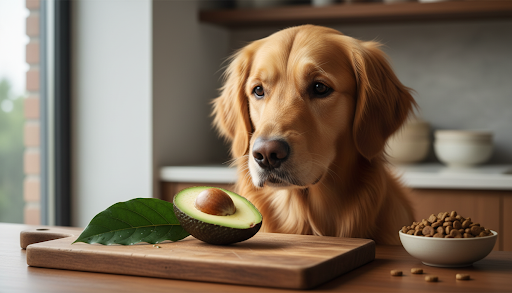
Is avocado bad for dogs? Myths and truths
Many people argue that they have seen dogs eating avocados without experiencing any problems. In fact, sensitivity varies depending on the breed and size of the animal. However, the medical consensus is that the risk does not outweigh the benefit. When analyzing whether avocados are harmful to dogs , we must consider the cumulative effect of the fat and the unpredictability of the toxin.
Unlike fruits such as apples (without seeds) or bananas, avocados do not offer nutrients that dogs don't already receive from safer sources. Therefore, treating it as a natural treat for dogs is a risky choice. There are international safety guidelines, such as those from the ASPCA , that list avocados as a food that should be avoided or offered with extreme caution.
Healthy and safe alternatives for your pet.
If your goal is to offer a rich and varied diet, there are several fruit options that are proven to be safe and provide excellent benefits of avocado, such as vitamins and fiber, without the risks of toxicity. You can choose from:
Bananas – An excellent source of potassium and energy.
Mango – Rich in fiber and vitamins, as long as it's pitted.
Apples – Excellent for oral and digestive health (always remove the seeds).
By choosing these options, you ensure a tasty treat without exposing your pet to unnecessary risks of pancreatitis or obstruction.
The role of genetics in nutritional health.
Not all dogs process food in the same way. Just as canine obesity can have genetic components that facilitate weight gain, sensitivity to certain foods can also vary between breeds. Understanding your friend's biological makeup helps personalize their diet and avoid substances that could overload specific organs.
Knowing whether your dog can eat avocado is just the first step towards responsible pet ownership. Preventive care involves understanding your pet's predispositions, ensuring that nutrition is an ally for longevity, not a hidden risk factor.
Conclusion: Prevention and care regarding petgenoma
Understanding your pet's specific needs is the surest path to a long and happy life. While the question of whether dogs can eat avocado is common, the most prudent answer is to avoid the fruit and prioritize foods that don't pose risks of toxicity or inflammation. petgenoma offers cutting-edge genetic testing technology to help you gain a deep understanding of your pet's health profile, oncological risks, and metabolic tendencies, allowing for true preventative care. Located at Avenida Professor Lineu Prestes, 2242, São Paulo SP, our team is ready to transform science into well-being for your best friend. Follow us for more tips and scientific news at @petgenomabr and discover what your pet's DNA reveals about their future.
Essay
Petgenoma



