Can dogs eat pineapple? Benefits, risks, and how to offer it safely.
12/12/2025
Index
Introduction
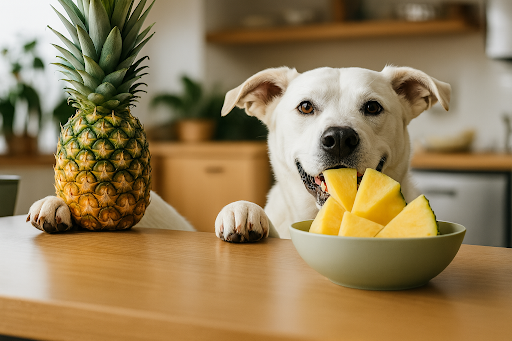
Anyone who lives with a dog knows: just cut a pineapple in the kitchen and your pet will appear curious, wanting to try it. But can dogs eat pineapple ? The answer is yes — as long as it's offered carefully and in appropriate quantities. Pineapple is a refreshing fruit, rich in vitamins and minerals, but its acidic taste requires special attention. Understanding the benefits, risks, and the best way to offer the fruit helps avoid digestive discomfort and ensures it's a healthy treat for your pet.
Can dogs eat pineapple?
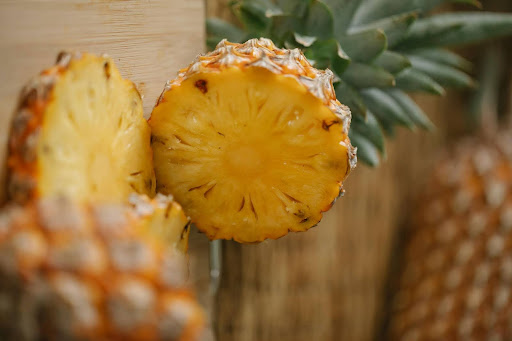
Yes, dogs can eat pineapple , as long as it's peeled, cored, and in small portions. Pineapple contains important vitamins, fiber, and antioxidant compounds that can contribute to the animal's well-being. However, its acidity level is high, which means it shouldn't be offered frequently or in large quantities. Like any fruit, it needs to be introduced gradually into the diet.
What are the benefits of pineapple for dogs?
When offered correctly, pineapple can provide vitamin C , with antioxidant action, vitamin B1 , minerals such as potassium and manganese , fiber that helps with intestinal function, and hydration , as it is a fruit composed mainly of water. These antioxidants are especially relevant for dogs with conditions involving oxidative stress.
Is there a risk in giving pineapple to a dog?
Yes, there are risks when pineapple is offered incorrectly or in excess. Common risks include stomach irritation due to acidity, diarrhea , vomiting in sensitive dogs, risk of choking if the core is offered, and intestinal discomfort . The peel is extremely hard and should never be consumed, and the core, despite being popular among humans, is fibrous and difficult for dogs to digest.
When NOT to give pineapple to your pet
Avoid giving pineapple to your dog if it has a history of gastritis , frequent diarrhea , vomiting , or reflux . It's also not recommended if your pet has pancreatic disease , a genetic predisposition to digestive sensitivity , is undergoing treatment for inflammatory bowel disease , or has diabetes (due to its natural sugar content). When in doubt, veterinary advice is always the safest course of action.
And what about dogs with genetic predispositions?
This is a very important issue for preventative health. Some dogs have genetic predispositions that affect digestion, metabolism, and tolerance to certain foods. This includes variants linked to vitamin B12 malabsorption , predisposition to hyperlipoproteinemia , inherited intestinal sensitivity , risk of inflammatory diseases , alterations in carbohydrate metabolism , and a tendency to develop gastritis . For these pets, even safe foods—like pineapple—can cause irritation, reflux, or intestinal disorders.
How to offer pineapple safely
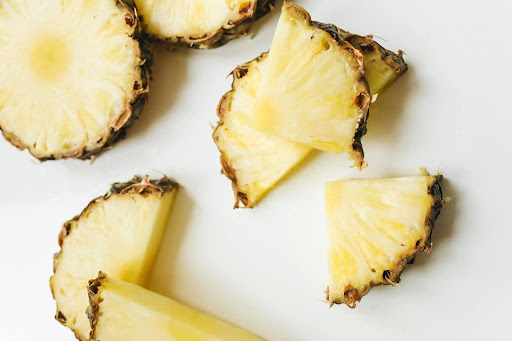
For pineapple to be safe and healthy, remove the peel completely and the fibrous core , offering only the pulp , which should be cut into small pieces . Serve the fruit at room temperature or slightly chilled, offer it a maximum of 1–2 times per week , and observe for any adverse reactions . Small dogs and puppies should receive even smaller amounts.
Like other fruits, pineapple should only be a complement to the diet, never the basis of the diet. Nutrition guidelines and studies on metabolism reinforce that fruits should represent a minimal portion of the daily diet, that dogs with digestive sensitivities should be intensively monitored, and that natural foods should be introduced gradually. Prevention begins with individual observation of the animal; that is, even if a dog can eat pineapple, this does not mean that all will tolerate it well. By understanding how to offer it, the owner diversifies the diet safely, avoids digestive discomfort, bonds with the pet, adapts food choices to the dog's genetics, learns to interpret individual signals, and makes more conscious and preventive decisions.
Learn about petgenoma
petgenoma is a leader in genetic testing for dogs and cats in Brazil, with 98% accuracy and cutting-edge technology. The tests identify predispositions to diseases, hereditary characteristics, consanguinity, drug intolerances, food sensitivities, and metabolic and digestive risks. With a simple saliva sample collected at home, the pet owner has access to a complete report that is easy to interpret and essential for a personalized and preventative routine.

Conclusion
Yes, dogs can eat pineapple , as long as the fruit is offered correctly: peeled, cored, and in small quantities. Pineapple is nutritious, hydrating, and can complement a pet's diet, but it needs to be offered consciously—especially for sensitive dogs or those with genetic predispositions. Combining a balanced diet with knowledge about the dog's genetic profile is the best way to ensure health, safety, and well-being every day.
Essay
Petgenoma



