Can dogs eat guava? See the benefits and precautions.
03/03/2026
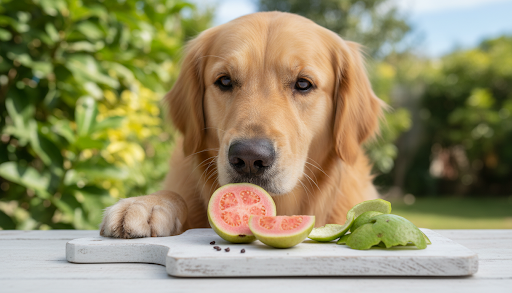
Many pet owners seek to diversify their pets' diet, replacing processed treats with healthier and fresher options. In this context, a very common question arises: Can dogs eat guava? If you've ever found yourself holding a slice of this tropical fruit while your four-legged friend looked on expectantly, the short answer is yes, they can.
However, like any item that deviates from the standard diet, there are important rules to ensure that this treat doesn't turn into a health problem. Guava is an excellent source of vitamins for dogs , but the way it's offered makes all the difference for the animal's digestive health.
In this guide, we'll explore everything you need to know about this dog-safe fruit , from its nutritional components to the warning signs every owner should be aware of. Furthermore, we'll understand how biological individuality influences the acceptance of new foods.
The benefits of guava for dogs
Guava is considered a "superfruit" due to its nutritional density. When offered correctly, the benefits of guava for dogs are numerous. It is rich in Vitamin C, which, although naturally produced by dogs, can act as an important antioxidant booster, fighting free radicals and preventing premature cell aging.
In addition, guava's nutrients for pets include:
Vitamin A : Essential for eye health and maintaining a shiny coat.
Fiber : Helps with intestinal transit, aiding dogs that suffer from mild constipation.
Potassium : Important for muscle function and electrolyte balance.
Lycopene : Found mainly in red guava for dogs, this antioxidant helps prevent degenerative diseases.
Introducing a natural treat for dogs, such as guava, helps maintain the animal's interest in food and provides extra hydration, especially on hot days. Compared to other options, guava has a moderate glycemic index, but portion control is still necessary.
Can dogs eat guava? Understand the necessary precautions.
Although permitted, not everything that is healthy for us is safe for them. The greatest concern lies with guava seeds for dogs . While not as toxic as apple seeds, they can cause gastrointestinal irritation or, in small dogs, even obstructions if ingested in large quantities.
Guava peel for pets is also a subject of debate. Although it contains a lot of fiber, it can be difficult for sensitive stomachs to digest. Therefore, the general recommendation from natural pet food experts is to peel the fruit, especially if it is not organic, to avoid consuming pesticides that remain on the surface.
Another crucial point is moderation. Excess fiber and natural sugars (fructose) can cause episodes of diarrhea or abdominal discomfort. If your pet is already predisposed to canine obesity , any fruit should be counted towards their total daily calorie intake to avoid unwanted weight gain.
How to safely offer guava to your dog.
To ensure a positive experience, follow these steps on how to offer guava to your dog:
Choose the right fruit: Opt for ripe guavas, which are softer and easier to chew. Both white and red guavas are allowed for dogs.
Wash thoroughly : Even if you're going to peel it, proper hygiene prevents cross-contamination.
Remove the peel and seeds: This is the safest way to avoid choking and digestive problems.
Cut into small cubes: The size should be proportional to the size of your dog to prevent him from swallowing large pieces without chewing.
Gradual introduction: The first time, offer only a small piece and observe the animal's reaction over the next 24 hours.
Remember the golden rule: treats, even natural ones, should not exceed 10% of the animal's daily caloric needs. If you usually vary their diet, you can alternate with other safe options, checking if the dog can eat apples to keep the diet dynamic.
When to avoid guava in a dog's diet
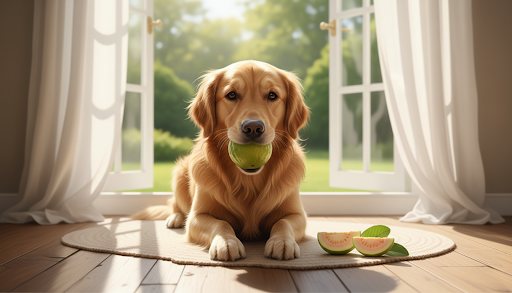
There are specific situations where the risks of guava for pets outweigh the benefits. Diabetic dogs, for example, should have their fruit consumption strictly controlled by a veterinarian due to the sugar content. Similarly, animals with a history of pancreatitis or extremely sensitive digestive systems may not tolerate the fruit's mild acidity well.
Furthermore, if your pet experiences vomiting, excessive gas, or loose stools after consuming the food, discontinue feeding immediately. It is essential to consult leading animal nutrition organizations to understand how to professionally balance their diet.
Often, a dog's food sensitivities are linked to its genetics. Just as some breeds are prone to specific diseases, the way their bodies process nutrients can also vary.
Beyond nutrition: the role of genetics in health.
Knowing whether your dog can eat guava is only one part of preventative care. Nutrition is an essential pillar, but understanding your pet's biological "signature" allows for a much deeper level of care. Currently, science allows owners to discover predispositions to diseases even before the first symptoms appear.
For example, by conducting genetic tests, you can discover if your dog has metabolic tendencies that require a more stringent diet. This is especially useful for preventing chronic conditions and ensuring that the fruit choices for dogs are truly conducive to longevity.
Check out other nutrition guides on our blog:
Conclusion and precautions regarding petgenoma
Offering natural food is a demonstration of affection, and now you know that, with the right care, your friend can enjoy this tropical delight. petgenoma believes that animal well-being stems from the union of nutrition, love, and advanced science. By knowing your companion's DNA, you can make more informed decisions about their health and future. Located at Avenida Professor Lineu Prestes, 2242, São Paulo SP , our team is ready to help you uncover the genetic secrets of your pet. Follow our news and exclusive tips at @petgenomabr and discover how genetics can transform the life of the one you love.
Essay
Petgenoma



