Can dogs eat mango? Discover the benefits, risks, and how to offer it safely.
10/12/2025
Index
Introduction
Anyone who lives with a pet knows: just open a ripe mango in the kitchen and the dog will appear with that curious look. But can dogs eat mango? This is a very common question, and the good news is that the fruit can indeed be part of their diet — as long as it's offered in the right way.
Understanding the benefits, risks, and characteristics of mangoes is essential to avoid digestive problems and ensure a good experience for your pet.
Can dogs eat mangoes?

Yes, dogs can eat mango , as long as it's in small portions, without the peel and pit. Mango is rich in fiber, vitamins, and antioxidants, and can contribute to the digestive and immune health of dogs.
However, even though it's safe, mango isn't a food that can be eaten without limits. Like any fruit, it needs to be introduced carefully.
What are the benefits of mango for dogs?
Mango is a nutritious fruit that, when offered correctly, can bring several benefits to dogs. It strengthens the immune system, improves intestinal function, provides soluble fiber and antioxidants, and is also rich in vitamins A, C, and B complex, important for the overall balance of the organism. Therefore, it can be a good ally for dogs that need extra support, reinforcing the importance of prevention and comprehensive care — a topic addressed in articles such as " Not doing genetic testing can shorten your dog's life! ".
Is there a risk in giving mango to a dog?
Yes — and these risks need to be clearly explained to the pet owner. When mango is offered improperly or in excess, it can cause diarrhea, as it is a fruit rich in fiber and sugars, and can also trigger mild gastritis in more sensitive dogs. There are also physical dangers: the pit can cause choking and the peel can cause intestinal obstruction. It is worth remembering that the pit, in addition to being large and hard, contains small amounts of toxic substances, which reinforces the essential rule: it should never be offered to the pet.
How to offer mangoes safely

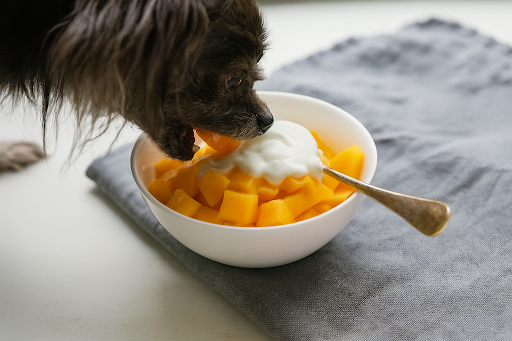
To safely offer mango to your dog, it's essential to prepare the fruit correctly. Always peel and completely remove the pit, which can cause choking and other risks. Then, cut the pulp into small cubes to facilitate chewing and prevent accidents. Mango should only be offered once or twice a week, always in small portions and gradually introduced into their diet. Observe how your pet reacts after consuming the fruit and stop if you notice any discomfort. Remember to also consider the size of the animal: small dogs should receive very small amounts to avoid overfeeding.
When NOT to give mango to your pet

Mango should be avoided in dogs with frequent diarrhea, chronic gastritis, vomiting, malaise, diabetes, or pancreatic diseases. It is also not recommended for pets with food allergies or genetic conditions affecting the intestines, as these factors increase the risk of adverse reactions. When in doubt, it is best to consult a veterinarian before offering the fruit.
Get to know Petgenoma
petgenoma is a leading provider of genetic testing for dogs and cats in Brazil. With 98% accuracy and advanced technology, its tests identify predispositions to diseases, consanguinity, hereditary characteristics, drug intolerances, and much more.
It all starts with a simple saliva sample — and ends with valuable information that helps pet owners care for their pet more safely, personally, and knowledgeably.

Conclusion
Yes, dogs can eat mango — as long as the fruit is offered correctly and in small quantities. It's nutritious, tasty, and can complement a pet's diet, but care must be taken with the pit, peel, and excessive amounts. Knowing the dog's genetics also helps identify possible digestive or metabolic sensitivities before including new fruits in their routine. In the end, the combination of a balanced diet, prevention, and understanding the genetic profile is what truly guarantees a healthier and happier pet.
Essay
Petgenoma



