Can dogs eat pears? Learn about the benefits and how to offer them safely.
08/06/2026
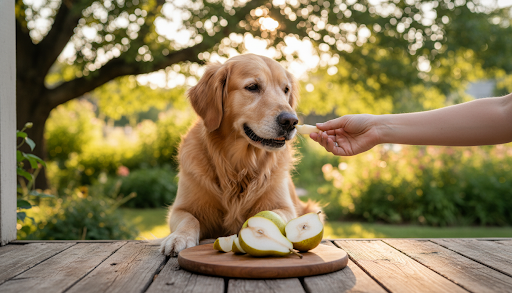
Many pet owners seek to diversify their four-legged companions' diet, moving beyond basic kibble and exploring more natural treats. In this context, a very common question arises: can dogs eat pears? The short answer is yes, but, as with any food introduction, there are important rules to ensure that this treat doesn't become a health problem.
The quest for a longer and healthier life for animals is directly linked to what they eat daily. Just like mangoes and watermelons , pears are an excellent alternative to processed animal feed, which is often full of artificial colors and preservatives.
In this comprehensive guide, we'll explore the nutritional properties of this fruit, how to care for the seeds and stem, and how you can transform pears into an ally for your pet's health. After all, understanding nutrition is just as fundamental as knowing genetics for preventing any canine disease.
The nutritional benefits of pears for your dog.
When we ask if dogs can eat pears , we're looking at a fruit composed of about 80% water, making it an excellent hydrator, especially on hot days. In addition to hydration, pears are rich in vitamins A, C, and B complex, essential for the immune system and for healthy skin and eyes.
Another highlight is the fiber content. Pears have a high concentration of dietary fiber, which aids in intestinal transit and promotes satiety. This is particularly beneficial in preventing the animal from becoming an obese dog , a condition that can trigger various joint and metabolic problems throughout its life.
Furthermore, pears contain minerals such as potassium and magnesium, which contribute to cardiovascular and muscular health. Offering this fruit is a way to provide a "superfood" that fights free radicals, thanks to its natural antioxidants. If you've already researched whether dogs can eat bananas, you know that fresh fruits are healthy treats when properly administered.
Essential precautions: the hidden danger in the seeds and stem.
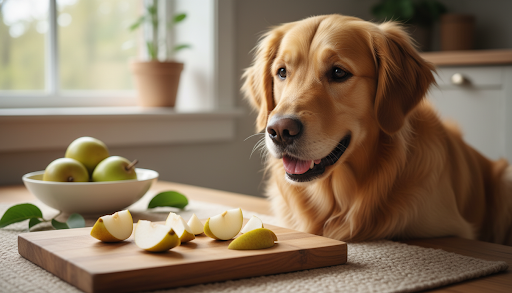
Although the pulp is safe, you should never offer the whole fruit. The reason is simple, but dangerous: pear seeds contain traces of amygdalin, a substance that releases cyanide during digestion. While one or two seeds are unlikely to cause immediate fatal poisoning, the accumulation of this substance in the animal's body is highly toxic.
Besides the chemical risk, the stem and core of the pear are tough and pose a real danger of choking or intestinal obstruction, especially in small breeds. Therefore, when preparing a pear for your pet, be sure to completely remove the core and all the seeds.
Another important consideration is quantity. Because pears contain natural sugar (fructose), they should be offered in moderation. Excessive fruit in the diet can disrupt the gastrointestinal tract, causing episodes of diarrhea. Remember that treats, even natural ones, should not exceed 10% of your dog's total daily calorie intake.
How to safely prepare pears for your pet.
To ensure your dog can eat pears safely, follow these simple preparation steps:
Choose the ideal fruit: Opt for ripe pears that are still firm. Avoid excessively soft fruit or those showing signs of mold.
Wash thoroughly: Clean the peel to remove pesticide residue or dirt from transport;
Remove seeds and stems: This is the most critical step to avoid poisoning and choking;
Cut into cubes: The size should be proportional to the size of your dog. For small dogs, make tiny cubes; for larger dogs, medium-sized pieces that encourage chewing;
Offer it with or without the peel: The peel contains most of the fiber, but if your dog has a very sensitive stomach, peeling it may facilitate initial digestion.
If your pet enjoys different textures, you can also freeze the pear pieces. This creates a natural "ice cream" that pets love, helping to refresh and entertain them for longer.
When is pear not recommended?
Although it's a safe fruit for most, there are exceptions. Dogs diagnosed with diabetes should have their fruit consumption strictly controlled by a veterinarian due to its glycemic index. Similarly, if your pet already has chronic digestive sensitivity, any dietary changes should be made gradually.
Paying attention to your dog's body signals is crucial. If your dog experiences vomiting, excessive gas, or lethargy after consuming pears, discontinue use and consult a professional. It's always good to remember that each individual's genetics influence how they process nutrients and react to certain foods.
Variety and health: beyond the pear
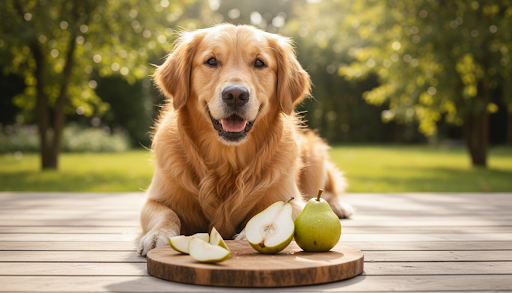
Maintaining a varied feeding routine is excellent for environmental enrichment. Besides pears, you can alternate with other safe options, such as pineapple or apple (also without seeds). On the other hand, it's vital to know the serious restrictions, such as the fact that dogs should never eat grapes or avocados , which are highly toxic.
Your pet's health is a combination of factors involving nutrition, exercise, and preventative medicine. Knowing that dogs can eat pears is just a small step in daily care. Being attentive to clinical signs and performing regular checkups helps prevent problems such as dog worms or more serious complications that require accurate diagnosis.
Personalized nutrition is one of the keys to animal longevity. When we combine knowledge about what a dog eats with what science says about its DNA, we create a much more effective and safe life plan.

Prevention and well-being with Petgenoma
Understanding that dogs can eat pears reflects your concern for providing the best for your friend. At Petgenoma , we believe that science and love go hand in hand to provide a long and vibrant life for animals. Our advanced genetic tests allow you to deeply understand your pet's health and needs, anticipating risks and personalizing care. We are located at Av. Prof. Lineu Prestes, 2242 - Room 25 - Cidade Universitária, São Paulo SP and serve all of Brazil with cutting-edge technology. Follow our health and genetics tips by following @petgenomabr on Instagram and discover how biotechnology can transform the future of your best friend.
Essay
Petgenoma



