Can dogs eat grapes? Understand the risks and dangers.
03/03/2026
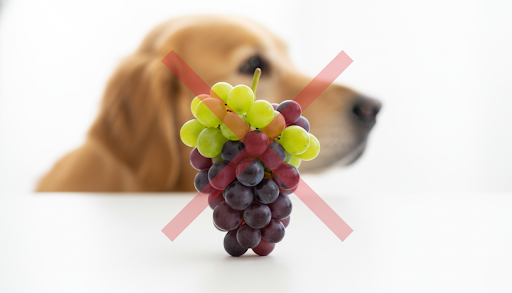
Many pet owners seek to offer a varied and natural diet to their pets, including fruits and vegetables. However, not everything that is healthy for humans is safe for dogs. An extremely common and dangerous question among pet owners is: can dogs eat grapes?
While some fruits make excellent treats, grapes top the list of forbidden foods. Misinformation on this topic can lead to fatal consequences, as dogs' sensitivity to this food varies drastically. In this article, we will explore in depth the reasons why you should keep this fruit away from your best friend.
So, can dogs eat grapes?
The short and direct answer to the question of whether dogs can eat grapes is an emphatic no. Regardless of the type, whether green, purple, with seeds or seedless, grapes are highly toxic to dogs. The same warning applies, even more strongly, to raisins for dogs , which contain a concentrated toxin.
Unlike other foods that may cause only mild gastric discomfort, grape toxicity in dogs is severe and unpredictable. Some animals may consume a small amount and show no immediate symptoms, while others may suffer sudden organ failure with just one or two grapes . Since there is no established safe dose, the veterinary recommendation is zero tolerance.
Why are grapes so dangerous for dogs?
Science is still studying the exact component that causes canine food poisoning from grapes. Recently, researchers identified tartaric acid, present in the fruit, as the main culprit. The primary problem is that this substance directly attacks the kidneys, leading to rapid kidney failure in dogs .
When researching whether dogs can eat grapes , you'll find reports that kidney damage occurs because the dog's body cannot process certain compounds in the fruit. This causes a disruption in blood filtration, resulting in the accumulation of toxins in the animal's body. Furthermore, accidental ingestion of grapes can cause permanent damage if treatment is not sought immediately.
Symptoms of grape poisoning: warning signs
If your pet has ingested the fruit, you need to carefully observe the symptoms of grape poisoning . Clinical signs usually appear within the first 6 to 12 hours after consumption. Identifying these warning signs early is what differentiates a successful recovery from an irreversible condition.
The main signs of grape poisoning include:
Vomiting and diarrhea (often containing pieces of fruit);
Extreme lethargy and weakness;
Total loss of appetite;
Abdominal pain (the dog may assume a "prayer" position);
Dehydration (dry nose and pale gums);
Changes in urine production (drastic decrease or total absence).
Even if you want to know if it's worth giving your pet grapes in small quantities to test, know that the risk of dangerous treats like this is not worth the animal's health.
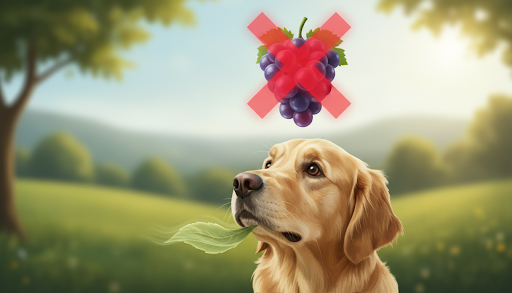
What to do in case of accidental ingestion?
If you suspect your pet has eaten grapes or raisins, don't wait for symptoms to appear. Time is your biggest enemy in cases of grape-related risks . Take your pet to the veterinarian immediately so they can safely induce vomiting or perform gastric lavage.
Treatment usually involves administering activated charcoal to absorb the harmful effects of raisins and grapes still present in the digestive tract. Additionally, intravenous fluid therapy is essential to attempt to "flush" the kidneys and prevent acute renal failure. Therefore, if someone asks if a dog can eat grapes , immediately warn them about the seriousness of the situation.
Safe fruit alternatives for your pet.
Now that you know the answer to "can dogs eat grapes?" is no, don't despair. There are many other healthy options that can complement your pet's diet without posing a risk to their life. Fruits rich in fiber and vitamins, when offered in moderation, even help prevent canine obesity.
Check out some safe and delicious options:
Banana? : An excellent source of potassium and energy.
Apple : Excellent for oral health, provided the seeds are removed.
Watermelon : Hydrating and refreshing for hot days (without seeds and rind).
Blueberries: Rich in antioxidants and safe for canine consumption.
Take the opportunity to check out other essential guides on our blog:
Can dogs eat mangoes? Discover the benefits, risks, and how to offer them.
Can dogs eat pineapple? Benefits, risks, and how to offer it safely.
Can dogs eat strawberries? Benefits, precautions, and how to offer them safely.
Prevention and well-being with petgenoma
Understanding whether dogs can eat grapes is the first step towards responsible pet ownership focused on longevity. Beyond daily nutrition, a deep understanding of your companion's genetics allows you to anticipate needs and personalize their health care. petgenoma offers cutting-edge genetic testing that helps identify predispositions to diseases and unique characteristics of each pet. Our headquarters are located at Avenida Professor Lineu Prestes, 2242, São Paulo, SP , where we work to unite science and love for animals. Follow our news and care tips at @petgenomabr and discover how genetics can transform the life of your best friend.
Essay
Petgenoma



