Are Pit Bull type dogs really aggressive? Understanding Canine Aggression
30/04/2024
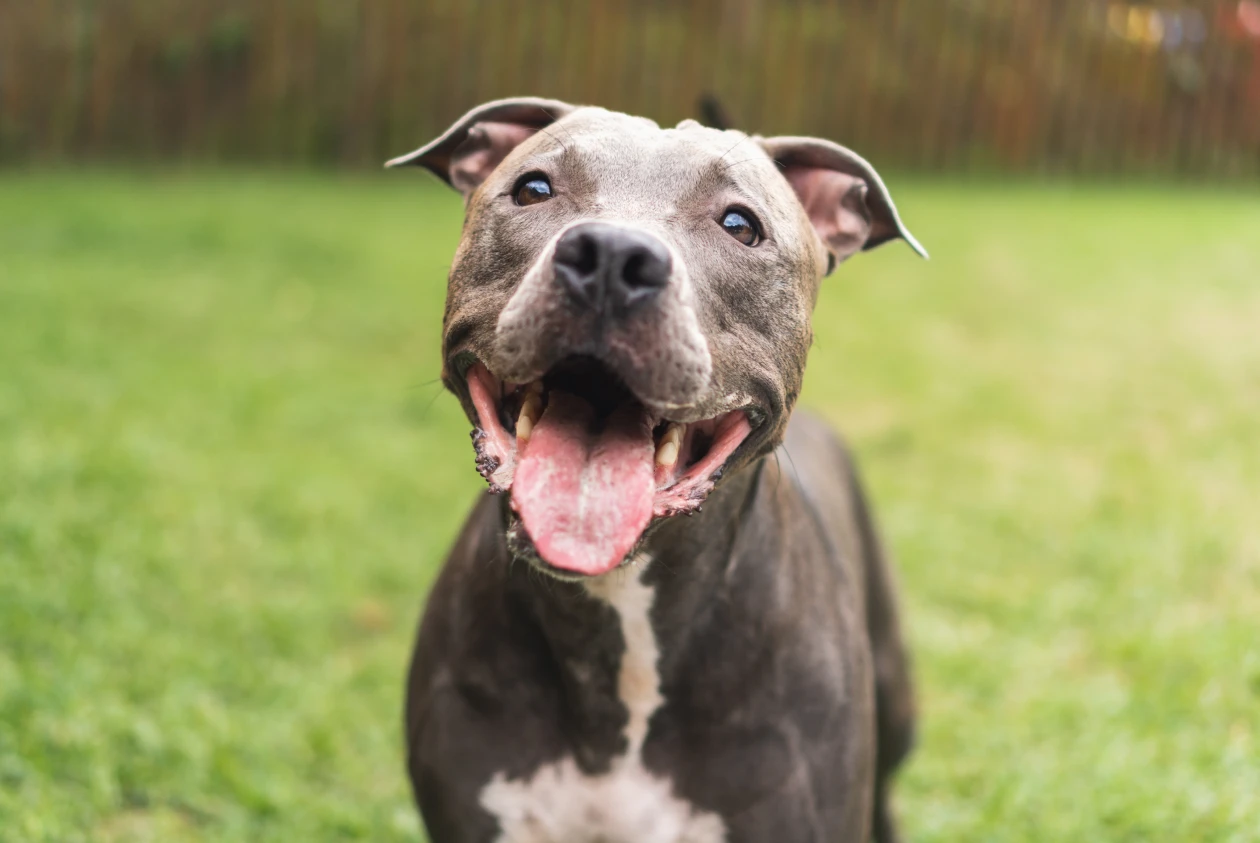
Aggression in dogs is a complex behavior that can be influenced by several factors, including genetics, environment, socialization, training, and the relationship with their owners. It is crucial to distinguish between aggression directed at people or other animals, and natural protective behaviors that are inherent in many dogs, regardless of breed.
Among the contributing factors to aggression are: 1) genetics: some breeds may have a genetic predisposition for certain behaviors, but this does not determine the behavior of a specific individual; 2) the environment: inadequate living conditions, neglect, and lack of positive stimuli can contribute to aggressive behaviors; 3) socialization: adequate exposure to different people, animals, objects, and environments from puppyhood is fundamental to helping the individual develop a balanced personality; 4) training: positive training can bring a number of significant benefits to the well-being of dogs and influence how behaviors are shaped, especially when dogs are trained from puppyhood; 5) the relationship with owners: the quality of the relationship between the dog and its owners plays a relevant role in its behavior. The attitude of the owner and family members can strongly influence how the dog expresses its emotions; 6) the existence of mistreatment: mistreatment, physical punishment, threats to the life and physical integrity of the individual can trigger aggressive behaviors.
In this context, is the terrible reputation of Pit Bull dogs and related breeds justified? When discussing the Pit Bull breed, it is essential to move away from stereotypes and recognize the diversity within this category. Aggressiveness in Pit Bulls, as in any other breed, is not an inherent characteristic; instead, it is shaped by external influences.
The Pit Bull, American Bully, American Staffordshire Terrier, Staffordshire Bull Terrier, Bull Terrier, and other breeds are not inherently aggressive: several articles comparing behavior between breeds have already proven that these breeds do not have higher aggression scores than others. After all, aggression in dogs is generally more related to the environment, upbringing, training, and socialization than to the specific breed. As with any breed, a Pit Bull's behavior is shaped by how it is raised and treated by its owners.
Many Pit Bulls are fun, affectionate, loyal, and friendly pets when properly raised, socialized from puppyhood, and handled gently and assertively. However, it's important to note that, due to their physical strength, it's crucial for owners of these breeds to invest time in responsible training and socialization to ensure safe behavior.
We need to dispel misconceptions and highlight the importance of responsible breeding and proper training to ensure the safety and well-being of these exceptional pets, demonstrating that aggression may be much more related to external factors than to the breeds themselves.
Denise Falck
Specialist in Dog and Cat Behavior
Professor at the Institute of Animal Psychology (INSPA)
Consultant at Petgenoma



