Conjunctivitis in dogs: understand the warning signs and know how to act.
15/06/2026
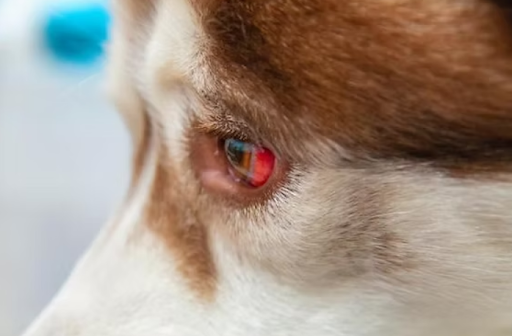
Have you ever noticed that your best friend's eyes look different, perhaps more reddish or with a persistent discharge? Just like with us, conjunctivitis in dogs is a relatively common condition, but one that requires immediate attention to ensure the animal's well-being and eye health. Although it often seems like a simple problem, inflammation of the conjunctiva—the thin membrane that lines the eyelids and the white part of the eye—can hide various causes, from allergies to serious bacterial infections.
Understanding the warning signs is the first step in preventing a minor discomfort from turning into a major complication. As dedicated pet owners, our mission is to identify changes in behavior and physical appearance as early as possible. In this guide, we will explore the causes, symptoms, and best prevention methods so you know exactly what to do when you notice any irregularities in your dog's eyes.
What is conjunctivitis in dogs and why does it occur?
Conjunctivitis in dogs is characterized by inflammation of the ocular mucosa. This membrane has the vital function of protecting the eye against external agents and lubricating the area. When something irritates this barrier, the body reacts by increasing blood flow to the area (causing redness) and producing secretions to try to expel the offending agent.
Contrary to popular belief, conjunctivitis in dogs is not a single disease, but rather a symptom that something is wrong. It can be classified into different types, depending on its origin: infectious (viruses or bacteria), allergic (pollen, dust, cleaning products), or mechanical (caused by trauma, ingrown hairs, or foreign bodies). In some cases, it may even be associated with a more serious systemic canine disease that affects the immune system.
Key warning signs to identify inflammation.
Identifying conjunctivitis in dogs early can save your pet a lot of suffering. The eyes are extremely sensitive organs, and visual discomfort often quickly alters the animal's behavior. Pay attention to the following clinical signs:
Red or pink eyes: Hyperemia (increased blood flow in the vessels) is the most classic sign;
Eye discharge: It can vary from a clear (watery) liquid to a yellowish or greenish (purulent) discharge;
Swelling of the eyelids: The area around the eyes may appear "puffy" or enlarged;
Excessive blinking: The dog tries to relieve discomfort by blinking more often than usual;
Intense itching: You will see your pet trying to rub its eyes with its paws or on furniture;
Light sensitivity: The animal may prefer dark places and avoid bright sunlight.
If your dog exhibits these symptoms, along with signs of lethargy or loss of appetite, it is crucial to investigate whether there is a correlation with other conditions, such as parvovirus in its early stages or other viral infections that weaken the immune system.
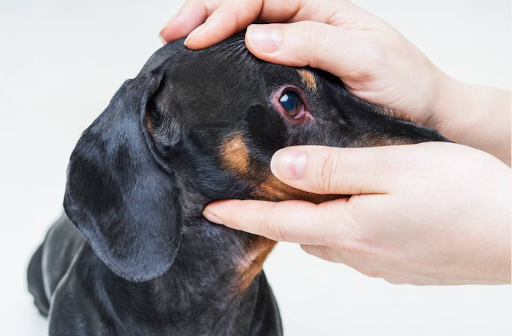
Common causes of canine conjunctivitis
There are several factors that can trigger conjunctivitis in dogs . Knowing the cause is essential for effective treatment and to prevent recurrence. Below, we list the main culprits for canine eye health:
Allergens: Just like us, dogs can be allergic to pollen, dust mites, cigarette smoke, or strong perfumes;
Bacterial and Viral Infections: Opportunistic bacteria or viruses can colonize the conjunctiva, especially if the dog has a weakened immune system;
Foreign Bodies: Grass, sand, or even the animal's own fur can get into the eye and cause mechanical irritation;
Dry Eye (Dry Keratoconjunctivitis Sicca): A deficiency in tear production that leaves the eye unprotected;
Anatomical Anomalies: Some dog breeds have eyelids that turn inward (entropion) or outward (ectropion), which predisposes them to constant inflammation.
It's worth remembering that skin problems, such as mange in dogs , can also affect the periocular region, causing secondary inflammations that mimic conjunctivitis.
How accurate diagnosis protects your pet's vision.
Upon noticing any signs of conjunctivitis in a dog , the first step should be to seek professional advice. Veterinary diagnosis involves detailed physical examinations and sometimes specific tests, such as the Schirmer test (to measure tear production) or the use of fluorescein eye drops to rule out corneal ulcers.
Never use human eye drops or leftover medication from other pets without a prescription. The inappropriate use of corticosteroids, for example, can drastically worsen a pre-existing corneal ulcer, even leading to vision loss. Treatment for conjunctivitis in dogs should be directed at the underlying cause and prescribed by a veterinarian.
The importance of genetics in eye health.
Did you know that a predisposition to certain eye problems may be written in your pet's DNA? Some genetic lines are more prone to developing degenerative diseases or malformations that result in recurrent conjunctivitis in dogs . Therefore, investing in preventative knowledge through animal DNA is a smart strategy for pet owners seeking longevity.
Understanding genetic makeup helps predict whether your dog has a higher risk of developing dry eye syndrome or other hereditary conditions. Furthermore, knowing the animal's profile allows for much more effective environmental management, avoiding exposures that could trigger allergic eye reactions.
Practical tips for preventing eye problems.
Preventing conjunctivitis in dogs involves simple routine care that makes a huge difference in the long run. Check out this checklist of best practices:
Regular cleaning: Use gauze and saline solution to gently clean external secretions, always from the inner corner to the outer corner;
Take care when bathing: Protect your pet's eyes from getting shampoo or soap in them;
Hygienic grooming: In breeds with a lot of hair on their face, keep the eye area clear to avoid constant friction;
Beware of the wind: Prevent your dog from putting its head out of the car window while the car is moving, as strong winds and debris can injure its eyes;
Clean environment: Keep the house free of excessive dust and avoid using cleaning products with very strong odors near the animal.
In addition to these precautions, keeping up with the vaccination and deworming schedule is crucial. Problems such as canine otitis or parasite infestations can lower the pet's immunity, making it more susceptible to eye infections. Early detection is always the best way to avoid serious complications.

Ensure eye health with petgenoma.
Caring for your best friend's vision is an act of love that goes beyond treating apparent symptoms; it involves deeply understanding their individual needs. Conjunctivitis in dogs may be just the tip of the iceberg, and modern science offers incredible tools for excellent preventative medicine. At petgenoma , we offer advanced genetic tests that help you discover health predispositions, oncological risks, and behavioral characteristics, allowing for personalized and much safer care. Discover our comprehensive panels and transform your pet's life through accessible and accurate genetics. We are located at Av. Prof. Lineu Prestes, 2242 - Room 25 - Cidade Universitária, São Paulo SP , and you can also follow our tips and news by following our profile @petgenomabr .
Essay
Petgenoma



