Doberman: The Definitive Guide to the Breed, Health, and Care
02/06/2026
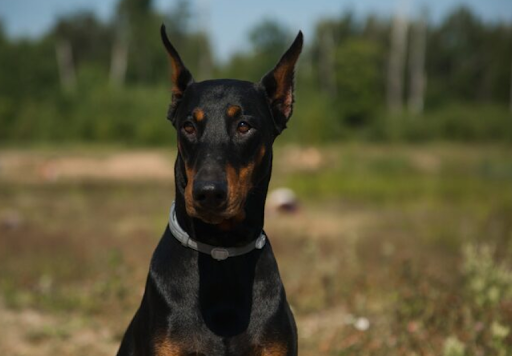
The Doberman is undoubtedly one of the most iconic and recognizable breeds in the canine world. Often associated with protection and surveillance, this dog combines aristocratic elegance with impressive athletic strength. However, behind its imposing appearance lies an extremely loyal, intelligent, and sensitive animal that requires specific care to thrive.
If you are considering bringing one of these noble dogs into your home, or already live with one, understanding the breed's characteristics is the first step to ensuring a long and healthy life. In this guide, we will explore everything from behavior to the main points of attention regarding the genetic health of this loyal guardian.
Origin and History of the Doberman Pinscher
The history of this breed begins in Germany at the end of the 19th century. The original breeder, Karl Friedrich Louis Dobermann, was a tax collector who sought an efficient guard dog to accompany him on his patrols. He wanted an animal that was courageous, intelligent, and physically capable of deterring any threat.
To achieve the result we know today, several dog breeds were crossbred, including the German Pinscher, the Rottweiler, and the Greyhound. The result was a versatile dog that quickly excelled not only in personal protection but also in police and military roles around the world.
Temperament and Behavior: The Faithful Watchman
Contrary to what many myths suggest, the Doberman is not an aggressive dog by nature. In fact, it is known for its extreme devotion to its family. Indeed, the behavior of dogs of this breed is marked by above-average intelligence, ranking fifth in Stanley Coren's intelligence ranking.
Socialization and Training
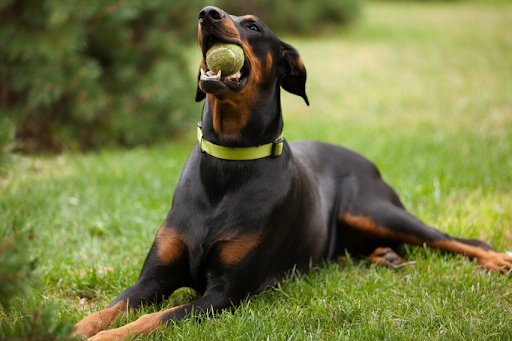
Because they are very intelligent and alert dogs, they need constant mental stimulation. Furthermore, early socialization is fundamental. When well-trained, the Doberman becomes a balanced companion, capable of living harmoniously with children and other pets.
Exercise Needs: They have a lot of energy and require intense daily activity.
Attachment to Owner: They are known as "velcro dogs" because they love being close to their humans.
Sensitivity: Despite their size, they are sensitive dogs that respond better to positive reinforcement than to punitive methods.
Essential Health and Wellness Care
Keeping a Doberman healthy involves more than just daily walks. Proper nutrition and disease prevention are fundamental pillars. Because they are large dogs, it's necessary to monitor their weight to prevent them from becoming obese , which would overload their joints and heart.
Safe Food and Snacks
Many pet owners like to offer fruit as a treat. Know that your dog can eat apples (without seeds and core), which provide fiber and vitamins. Other safe options include mango and pineapple , as long as they are offered in moderation and without the peel.
Genetic Health: The Heart of the Race
Despite their strength, Dobermans have genetic predispositions that every owner should be aware of. Preventive medicine, through advanced testing, has become the best tool for anticipating problems and ensuring quality of life.
Dilated Cardiomyopathy (DCM)
This is perhaps the most serious condition affecting the breed. Dilated cardiomyopathy is a disease where the heart muscle becomes thin and weak, making it difficult to pump blood. Unfortunately, many dogs only show symptoms in advanced stages, so genetic screening is vital. The more comprehensive the genetic test for DCM, the more accurate it is in detecting the risk for the disease. To date, four predisposing variants for the disease are known – known as DCM1, DCM2, DCM3, and DCM4.
Other Concerning Conditions
In addition to heart problems, the breed may also present with:
Von Willebrand disease: A blood clotting disorder.
Cervical Vertebral Instability (Wobbler Syndrome): Affects the spine and locomotion.
Hypothyroidism: Deficiency in the production of thyroid hormones.
Early detection of hereditary diseases through genetic screening can significantly alter the prognosis and clinical management of these animals.
Why invest in a genetic test?
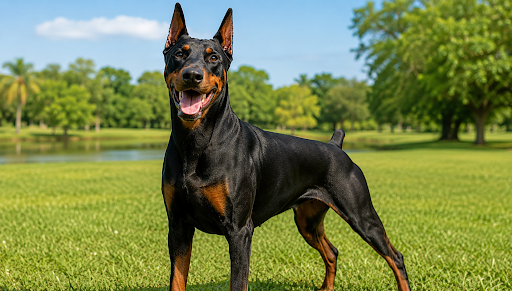
Often, pet owners believe that having a pedigree dog means it is free from risks. However, genetics goes far beyond appearance. A DNA test can identify cancer risks, drug sensitivities, and predispositions to diseases even before the first clinical signs appear.
By understanding your Doberman 's genetic makeup, you and your veterinarian can create a personalized care plan, adjusting diet, exercise routine, and the frequency of cardiological exams. Furthermore, you can discover if your dog has any risks during surgery due to abnormal blood clotting. This isn't just technology; it's love in the form of prevention.
Checklist for Doberman Owners
To ensure your companion receives the best possible care, follow this handy checklist:
Regular Check-ups: Visit the veterinarian every six months for cardiac check-ups.
Mental Stimulation: Use intelligence toys and obedience training.
Protection against Parasites: Keep your vaccinations up to date and prevent tick-borne diseases , which can be devastating.
DNA testing: Undergo a complete genetic panel to map breed-specific risks.
The Doberman is an extraordinary dog that repays every act of care with unwavering loyalty. Understanding its biology is the most profound way to honor that friendship.

Science and Care with the petgenoma
A deep understanding of your dog's needs and health is what differentiates an average pet owner from an excellent one. Genetics offers answers that were previously invisible, allowing you to make data-driven decisions to promote your pet's longevity. petgenoma specializes in translating the genetic code into practical care, offering advanced tests that help prevent diseases and better understand animal behavior. Located at Av. Prof. Lineu Prestes, 2242 - Room 25 - Cidade Universitária, São Paulo SP , our team is ready to help you take care of what matters most. Follow our daily news and tips by following @petgenomabr on Instagram.
Essay
Petgenoma



