Obese cat: warning signs, risks, and how to help your pet.
27/03/2026
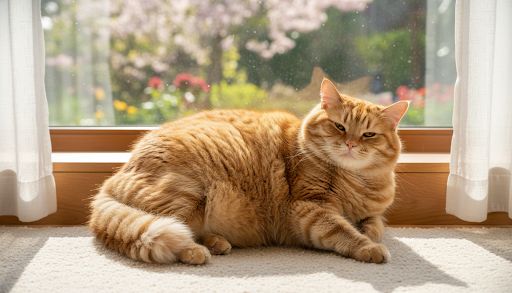
It's very common to find photos and videos of cute, chubby cats on the internet, which often creates the perception that an obese cat is synonymous with a well-cared-for animal. However, what appears to be just "cuteness" hides one of the most serious and common chronic diseases in veterinary medicine: feline obesity.
Furthermore, excessive fat accumulation is not just an aesthetic issue. It directly compromises the cat's health, reducing its life expectancy and increasing the risk of various diseases. Therefore, understanding excess weight as a warning sign is essential to ensure a better quality of life for your pet .
Throughout this article, you will learn how to identify an obese cat , understand the risks involved, and discover how to help your companion safely and effectively. Furthermore, we will see how genetics directly influences the predisposition to weight gain.
How to identify an obese cat?
Often, weight gain happens gradually and goes unnoticed in the owner's daily routine. For this reason, it's important to carefully observe certain signs and conduct periodic assessments of the cat's body structure.
One of the main indicators of an obese cat is the absence of a waist. When looking at the animal from above, the body should show a slight inward curve before the hips. When this line becomes straight or convex, it is a clear sign of overweight.
In addition, observe other physical points:
Abdomen with a pendulous appearance (swaying when walking);
Difficulty walking or short jumps;
Accumulation of fat at the base of the tail and on the hind legs.
Another simple test is palpating the ribs. In a healthy cat, they should be easily felt with a light touch, such as the back of your hand. If you have difficulty feeling them, there is likely an excess of subcutaneous fat.
Risks of feline obesity to health
Feline obesity is a chronic inflammatory disease. This occurs because adipose tissue is not inert; it acts as an endocrine organ, releasing substances that negatively affect the pet's entire body.
As a consequence, several health problems can arise in an obese cat, such as:
Type 2 Diabetes Mellitus: Excess fat causes insulin resistance;
Joint problems: Being overweight causes chronic pain and accelerates osteoarthritis;
Urinary diseases: Difficulty moving around can cause the cat to urinate less often, making it easier for stones to form;
Hepatic lipidosis: A serious liver complication, common when an animal suddenly stops eating.
Furthermore, the sedentary lifestyle caused by excess weight creates a difficult cycle to break: the animal moves less due to weight and pain, gains more fat, and further aggravates its clinical condition. Genetic conditions, such as hypertrophic cardiomyopathy, can also have their symptoms worsened by obesity.
Why did my cat gain weight?
Weight gain is generally linked to an imbalance between calorie intake and energy expenditure. However, other factors also contribute to an animal becoming an obese cat :
Sedentary lifestyle: Especially in cats that live exclusively in apartments;
Neutering: Alters metabolism and may increase appetite, requiring dietary adjustments;
Free access to food: Allowing unlimited access to the food bowl makes calorie control difficult;
Genetic predisposition: Some lineages have a greater tendency to accumulate fat.
In this sense, understanding your companion's routine and characteristics is fundamental. If you have doubts about your animal's origin, knowing how to determine your cat's breed can help you better understand its metabolism and the expected behavior for its lineage.
The role of genetics in weight control.
Genetics plays a key role in the metabolic health of felines. Some animals have greater efficiency in storing energy, which in the past was a survival advantage, but today contributes to feline obesity.
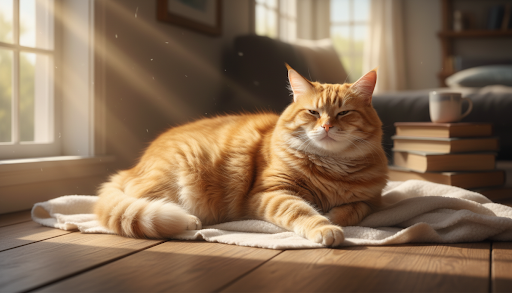
Therefore, preventative approaches based on animal DNA are increasingly important. With advances in biotechnology, it is now possible to identify predispositions to metabolic diseases and tailor care in a personalized way. By knowing your pet 's genetic profile, you can adjust their diet and exercise intensity before excess weight becomes a chronic problem.
How to help an obese cat lose weight
If you notice signs of excess weight, the first step is to seek veterinary advice. Restrictive diets done without supervision can be extremely dangerous for a cat's liver.
Some safe strategies for treating an obese cat include:
Divide meals into smaller portions: Offer controlled portions several times a day;
Environmental enrichment: Stimulate the hunting instinct with toys that release food;
Wet foods: Pouches help with hydration and promote greater satiety with fewer calories;
Encourage daily play: Set aside at least 15 minutes for active physical activities.
Many pet owners wonder if the investment in petgenoma testing and special diets is worthwhile. The answer lies in longevity: preventing obesity costs far less than treating the chronic complications it causes.

Warning signs: when to seek help
Pay attention to the following signs that your pet needs immediate intervention:
Difficulty jumping into places that were previously easily reachable;
Excessive fatigue after minor exertion;
Difficulty performing personal hygiene (dull or dirty hair on the back);
Complete absence of waist and non-palpable ribs.
If you notice these symptoms, seek a veterinarian to start a healthy and safe weight loss plan.
Take care of your pet's health with petgenoma.
Small changes in routine can have a big impact on your pet's health. With information, monitoring, and continuous care, it's possible to prevent your companion from becoming an obese cat and ensure a better quality of life. If you want to deepen your pet 's health care through genetics, learn about the solutions offered by petgenoma — located at Av. Prof. Lineu Prestes, 2242 - Room 25 - Cidade Universitária, São Paulo SP — and follow educational content and practical tips on Instagram @petgenomabr .
Essay
Petgenoma



