Pug: everything you need to know about this charming breed
01/07/2026
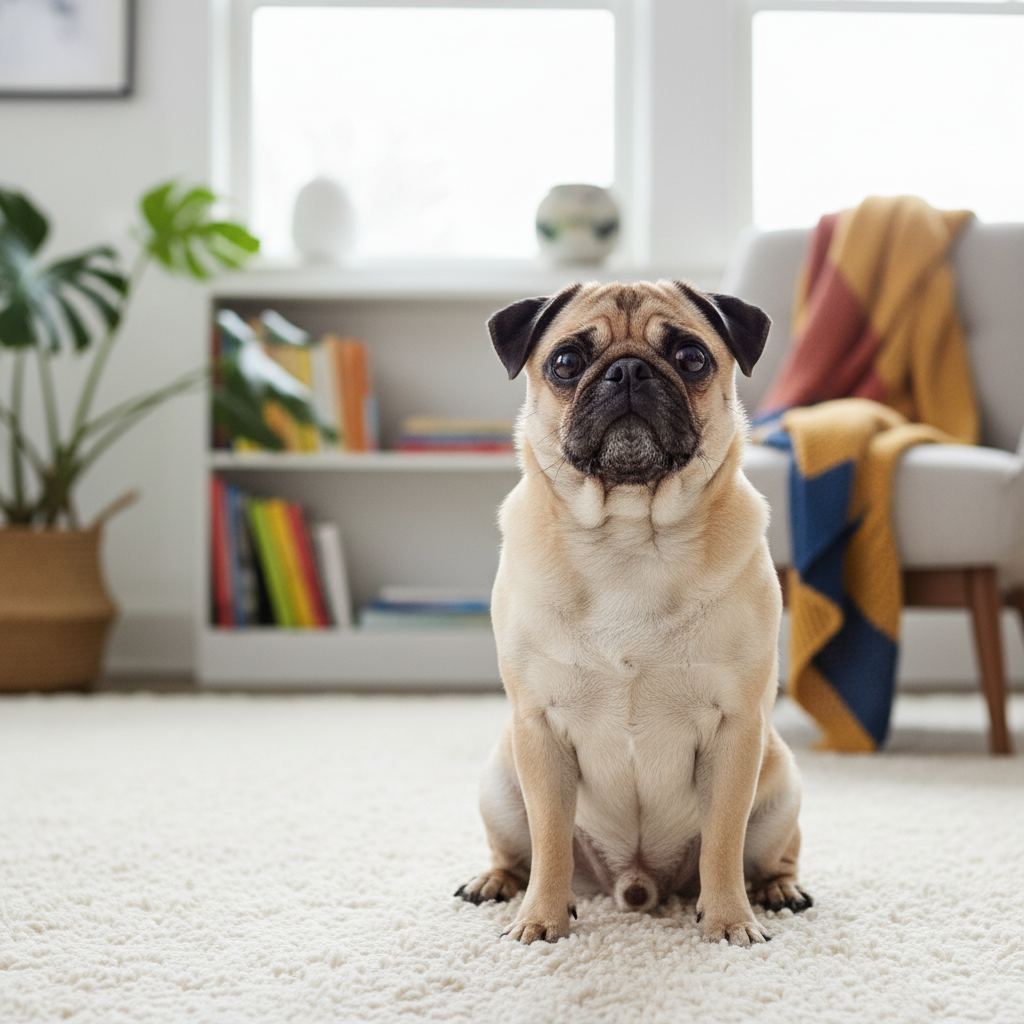
The Pug is one of those breeds that wins you over with its look. With its squashed face, expressive eyes, and affectionate nature, this little companion holds a special place in the hearts of millions of owners around the world. But behind all that cuteness lies a complex genetic makeup that deserves attention and care.
If you own or are thinking of adopting a Pug , understanding the characteristics, care, and health risks of this breed makes all the difference. Therefore, we've gathered the most important information here so you can care for your pet with ever-increasing safety and affection.
Origin and characteristics of the Pug
The Pug is an ancient breed, originating in ancient China. For centuries, it was bred as a companion dog for European royalty and nobility. Today, it is one of the favorite pets in apartments and houses of all sizes.
Physically, the Pug is compact, muscular, and full of charm. It weighs between 6 and 8 kg and has short fur, usually fawn (beige) or black. The flat muzzle, facial wrinkles, and curled tail are trademarks of the breed—and also features that require specific care.
Temperament: A sociable and affectionate pet.
The Pug dog is known for being extremely sociable, docile, and attached to its family. It adapts well to different routines and gets along with children, the elderly, and other animals without major difficulties.
This balanced temperament and low need for intense exercise make the Pug a popular choice for those living in smaller spaces. Even so, it needs mental stimulation and daily interaction to stay healthy and happy. Ignoring this need can lead to behaviors such as anxiety and excessive clinginess.
Pug Health: Important Points to Consider
The health of a Pug is one of the most important issues for those who raise or adopt this breed. Being a brachycephalic dog—that is, with a flat skull and short snout—it is predisposed to respiratory problems that can compromise its quality of life. It is extremely important to know the Pug's parents before choosing the dog or the breeder, as responsible breeders do not reproduce animals with evident respiratory problems.
In addition, Pugs can develop:
- Brachycephalic syndrome , which causes difficulty breathing, especially on hot days.
- Eye problems , such as corneal ulcers and dry eye, due to prominent eyes.
- Dermatitis in skin folds can occur if wrinkles are not cleaned regularly.
- Obesity , a very common condition in this breed, exacerbates all other problems.
Talking about obesity in dogs is essential when it comes to Pugs : the breed has a natural tendency to gain weight, and excess fat worsens respiratory effort and overloads the joints.
Daily care for your Pug
Maintaining a consistent grooming routine is what guarantees a long and high-quality life for your Pug . Here are the essential points:
- Clean the folds of your face daily to prevent moisture buildup and bacteria.
- Keep vaccinations and deworming up to date — and if you want to know more about intestinal parasites, it's worth checking out the article on worms in dogs.
- Avoid strenuous exercise, especially on hot or humid days.
- Offer balanced meals and strictly control portion sizes.
- Make regular visits to the veterinarian, including preventive checkups.

Pug Genetics: What DNA Can Reveal
Many of the conditions that affect Pugs have a genetic origin. Respiratory diseases, predisposition to obesity, joint problems, and even cancer risks can be identified through a DNA test for dogs , which analyzes hundreds of genetic markers with scientific precision.
This type of test allows for anticipating risks, personalizing care, and making safer decisions about the pet's diet, medication, and routine. For breeders, the genetic panel also helps to understand inbreeding and the health of the lineage before breeding.
According to the American Kennel Club, the Pug is a breed that requires extra attention to its health throughout its life—and genetics is a powerful tool for this.
Is a Pug suitable for every type of owner?
The Pug is a charming breed, but it requires a committed owner. Anyone who decides to own a Pug needs to be prepared to provide specific care, frequent veterinary check-ups, and constant attention to the animal's respiratory health and weight.
If you already live with this adorable pet or are about to adopt one, investing in information is the first step. And genetics can be your greatest ally on this journey.
Take care of your Pug with science on your side — petgenoma

petgenoma offers comprehensive genetic testing for dogs, including analysis of breed composition, hereditary diseases, pharmacogenetics, and much more. Everything you need to deeply understand your pet and care for them with even greater precision and love. Visit us at Av. Prof. Lineu Prestes, 2242 - Room 25 - Cidade Universitária, São Paulo SP, or follow us for news and tips at @petgenomabr.
Essay
Petgenoma



