Urolithiasis, kidney stones in cats
03/04/2026
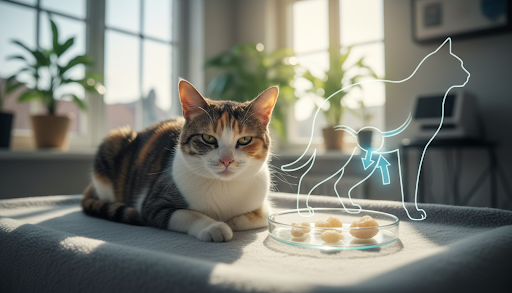
Have you ever noticed your pet going to the litter box several times, but leaving without being able to urinate or showing discomfort? This behavior is one of the most classic signs that something is wrong with the urinary tract. Urolithiasis in cats is a frequent condition in veterinary clinical practice and requires extra attention from owners, as it can develop into an emergency within a few hours.
Basically, this disease is characterized by the formation of sediments that turn into stones (uroliths) in any part of the urinary system. Besides causing intense pain, kidney stones compromise the animal's well-being and longevity. Therefore, understanding how to identify the signs and, especially, how to prevent the formation of these crystals is fundamental for anyone who wants a healthy life for their feline companion.
In this article, we will explore the causes, main symptoms of urolithiasis , treatment options, and how genetics can influence your pet's predisposition to this problem. Read on to ensure your cat is always protected.
What is urolithiasis in cats and how does it form?
Urolithiasis in cats occurs when minerals present in the urine clump together and form crystals. Over time, these crystals fuse together, giving rise to calculi, popularly known as stones. They can lodge in the kidneys, ureters, bladder, or urethra, the latter being the most dangerous location due to the risk of urinary obstruction .
There are different types of calculi, with struvite and calcium oxalate calculi being the most common in felines. The formation of these sediments is directly linked to urine saturation. When the liquid is too concentrated, the minerals cannot dissolve and end up precipitating. Several factors contribute to this scenario, from diet to low water intake, something very characteristic of the feline species.
In fact, cats have a sensitive urinary health . Unlike dogs, cats descend from desert animals and have a natural ability to concentrate their urine. However, in a domestic environment, this characteristic can become a problem if there is no proper stimulation for hydration.
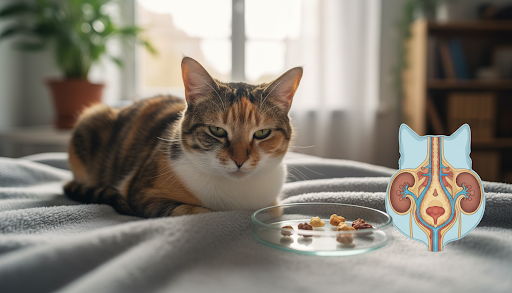
Main symptoms of urolithiasis in cats to watch out for
Cats are often masters at hiding pain. Therefore, the symptoms of urolithiasis can be subtle at first. The owner needs to be a keen observer of the pet's behavior, especially during visits to the litter box. Any change in urination habits should be investigated immediately by a professional.
The most common signs that indicate the presence of urolithiasis in cats include:
Dysuria and strangury : Difficulty and visible straining to urinate;
Hematuria : Presence of blood in the urine, which may cause it to appear pink or have reddish spots;
Periuria : The cat begins urinating outside the litter box, often on cold surfaces such as sinks or shower stalls;
Excessive licking : The pet constantly licks the genital area due to irritation and pain;
Vocalization : Loud and frequent meowing while trying to use the bathroom.
If you notice that your cat is trying to urinate and nothing is coming out, seek urgent veterinary attention. Complete urinary obstruction is a fatal condition if left untreated within a few hours, as it causes a buildup of toxins in the blood and can lead to kidney failure.
Risk factors: why do cats develop kidney stones?
The formation of crystals and stones in urine doesn't happen by chance. It's usually the result of a combination of environmental, nutritional, and biological factors. One of the main culprits is low water intake. Cats that eat only dry food and don't drink enough water have supersaturated urine, making crystallization easier.
Furthermore, urine pH plays a crucial role. Unbalanced diets can make urine too acidic or too alkaline, favoring specific types of stones. Sedentary lifestyles and obesity are also significant risk factors, as less active animals tend to urinate less frequently, allowing minerals to remain in the bladder for longer.
Another key point is genetics. Just like in humans, some cats have a hereditary predisposition to developing metabolic problems that lead to urolithiasis in cats . Therefore, understanding your pet's ancestry and biological profile is a valuable step. Many owners seek to know how to determine their cat's breed to better understand the health predispositions linked to certain lineages.
Diagnosis and the importance of veterinary examination
To confirm urolithiasis in cats , the veterinarian will perform a series of evaluations. The diagnosis begins with abdominal palpation and the clinical history reported by the owner. However, complementary exams are essential to identify the size, location, and, if possible, the type of stone.
Urinalysis (urine test) is the first step in detecting the presence of crystals in the urine , blood, or secondary infections. Imaging tests, such as ultrasound and X-rays, allow visualization of stones in the bladder or kidneys. Early diagnosis is key to avoiding invasive surgeries and ensuring a quick recovery.
In some cases, the veterinarian may request more in-depth tests to understand if there are any systemic changes. It is important to remember that the management of the disease depends entirely on the type of mineral forming the stone, as the treatment for struvite is completely different from the treatment for calcium oxalate.
How can I prevent urolithiasis in cats on a daily basis?
Feline urinary tract prevention is based on three pillars: hydration, nutrition, and environmental management. Small changes in the household routine can save your pet's life and prevent high costs associated with emergency treatments.
Check out this checklist of preventative care tips:
Encourage water consumption : Use running water sources, place several water bowls around the house, and offer wet food (pouches) daily;
Quality nutrition : Use premium or super premium pet food, which has controlled mineral levels and helps maintain a balanced urinary pH;
Litter box hygiene : Cats are particular about their hygiene. If the box is dirty, they may hold their urine for longer, which promotes the formation of stones;
Environmental enrichment : Toys and physical activities help maintain ideal weight and reduce stress, which is a trigger for urinary tract infections.
In addition to these precautions, performing an animal DNA mapping can reveal if your cat is more likely to develop chronic or metabolic diseases. Is petgenoma testing worthwhile? This is a common question, and the answer lies precisely in its ability to anticipate risks and personalize your feline's diet even before the first symptoms appear.

The influence of genetics on your pet's urinary health.
Science has advanced to the point where we can not only treat diseases, but also understand them before they manifest. Urolithiasis in cats often has a silent genetic component. Some breeds, such as Persians and Siamese, have higher statistics for urinary problems, but even mixed-breed cats can carry genetic variants that affect mineral metabolism.
By investing in genetic knowledge, the pet owner stops working "in the dark." It's possible to adjust supplementation and the type of protein in the diet based on what the cat's body actually processes best. This preventative medicine is the most modern way to ensure that your pet lives not only many years, but with a full quality of life, free from the pain caused by kidney stones.
Therefore, in addition to maintaining regular clinical checkups, consider genetics as a powerful ally. Knowing your cat's strengths and weaknesses is the greatest act of love and care you can offer.
Science and care with the petgenoma
Understanding your feline's health is the first step towards providing a long and pain-free life. Urolithiasis in cats can be challenging, but with correct information and prevention, it's perfectly possible to protect your companion. petgenoma specializes in translating the genetic code of animals into practical health and wellness guides, helping you care for your loved one with scientific precision. Located at Av. Prof. Lineu Prestes, 2242 - Room 25 - Cidade Universitária, São Paulo SP , our team is ready to offer the best technology for your pet. Follow daily tips and news about the world of animal genetics by following our profile @petgenomabr on Instagram.
Essay
Petgenoma



