7 stages of distemper: Understand the progression and how to protect your pet.
02/06/2026
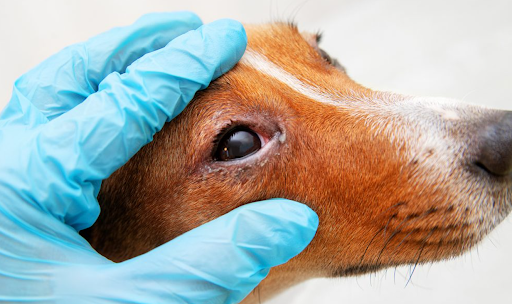
The health of our four-legged companions is an absolute priority for any dedicated pet owner. Among the various illnesses that can affect dogs, one of the most feared and serious is undoubtedly distemper, a highly contagious canine disease with a high mortality rate. Understanding the 7 stages of distemper is the first step to ensuring you can identify early signs and seek professional help immediately.
Unlike parvovirus , which predominantly attacks the gastrointestinal system, distemper is multisystemic. This means it affects various organs of the animal, progressing aggressively if left untreated. In this guide, we will detail how the virus acts in the body and why prevention is the best tool for care.
What is canine distemper and how is it transmitted?
Canine distemper is caused by a virus from the Paramyxoviridae family. Transmission occurs mainly through direct contact with secretions from infected animals, either through the air (sneezing and coughing) or through shared objects, such as food bowls. It is a disease that does not discriminate by age, although puppies and older dogs are more vulnerable due to their weakened immune systems.
Understanding the progression of the 7 stages of canine distemper helps pet owners realize that the disease doesn't suddenly appear in its most severe form. It "escalates" through the animal's body, and each affected system brings new challenges to recovery. Often, the initial symptoms are mistaken for simple problems, such as a mild cold or canine otitis.
The 7 stages of canine distemper: The virus's journey through the body.
To make it easier to understand, we have divided the progression of the disease into seven main stages, which demonstrate how the virus advances from entering the body to the central nervous system.
1. Incubation Phase and Initial Contagion
In this first of the 7 stages of canine distemper , the virus enters through the respiratory tract and begins to replicate in the lymphatic tissues. The pet does not yet show visible symptoms, but the virus is already silently spreading through the bloodstream. This period can last from one to four weeks.
2. Respiratory Phase
This is where the first clinical signs appear. The dog presents with fever, nasal (runny nose) and ocular discharge, cough, and difficulty breathing. Many owners believe it's just a cold, but this is a critical warning sign. Pneumonia is a common complication at this stage.

3. Gastrointestinal Phase
As the virus progresses, it affects the digestive system. The animal begins to experience vomiting and diarrhea, which can be severe. Loss of appetite quickly leads to dehydration and extreme weakness, resembling the symptoms of giardia in dogs .
4. Cutaneous (Dermatological) Phase
A striking characteristic of the 7 stages of canine distemper is hyperkeratosis. The owner notices that the paw pads and the snout become excessively thick, hardened, and cracked. Pustules (small wounds with pus) may also appear in the abdominal region and on the thighs.
5. Eye Phase
The virus attacks the structures of the eyes, causing severe conjunctivitis and a purulent discharge that "glues" the eyelids together. In advanced cases, corneal ulcers and even blindness can occur if the inflammation is not controlled in time.
6. Neurological Phase
This is the most feared and serious of the 7 stages of canine distemper . The virus crosses the blood-brain barrier and reaches the brain and spinal cord. Symptoms include nervous tics (myoclonus), seizures, paralysis, disorientation, and the famous "gum chewing" (involuntary jaw movements).
7. Sequelae or Critical Recovery Phase
If the animal survives the neurological phase, it enters the final stage, where the aftereffects can become permanent. Many dogs retain muscle tremors or motor difficulties for the rest of their lives. Nutritional and physiotherapy support becomes essential to maintain quality of life.
How can we differentiate canine distemper from other diseases?
Many symptoms of canine distemper overlap with those of other diseases. For example, fever and lethargy also appear in canine ehrlichiosis or canine leishmaniasis . However, the combination of respiratory, digestive, and neurological symptoms is what defines the classic picture of canine distemper.
According to the Federal Council of Veterinary Medicine, early diagnosis is the only way to increase the chances of survival. Laboratory blood tests and PCR tests are essential to confirm the presence of the virus at the very beginning of the 7 stages of canine distemper.

The importance of genetics and prevention.
Although distemper is a viral disease, the animal's overall health and genetic predisposition can influence the response to treatment. Knowing the characteristics of different dog breeds and the degree of inbreeding of your pet helps to understand which individuals may need enhanced immune support.
Vaccination (V8 or V10) remains the only effective form of prevention. Keeping the vaccination protocol up to date prevents your best friend from going through the painful 7 stages of distemper . In addition, avoiding contact with animals of unknown origin and maintaining a clean environment are responsible pet ownership practices.
For pet owners seeking an extra level of care, a deep understanding of their animal's organism is a key differentiator. You might ask: Is Petgenoma worth it? The answer lies in preventative medicine. By knowing your dog's genetic profile, you can anticipate necessary care and strengthen their health against various external threats.
The tutor's role in combating the disease.
If you notice any signs of lethargy, eye discharge, or loss of appetite, don't wait. Time is the determining factor between recovery and the worsening of the 7 stages of distemper . Treatment focuses on fighting secondary infections, hydrating the animal, and controlling neurological symptoms, since there is no medicine that directly "kills" the virus.
Remember that a sick animal needs complete isolation to prevent spreading the virus to other dogs in the house or neighborhood. Disinfecting the environment with quaternary ammonium-based products is recommended to eliminate viral traces.

Protect those you love with petgenoma.
Understanding the 7 stages of canine distemper reinforces the importance of a careful and preventative approach to the lives of our animals. petgenoma believes that science and genetics are fundamental allies in providing longevity and well-being to pets. We offer advanced genetic tests that help you understand every detail of your companion's health, allowing for much more precise and personalized care. Visit us at Av. Prof. Lineu Prestes, 2242 - Room 25 - Cidade Universitária, São Paulo SP and follow our daily tips at @petgenomabr to transform information into love and protection.
Essay
Petgenoma



