Is hip dysplasia a genetic disease?
24/10/2024
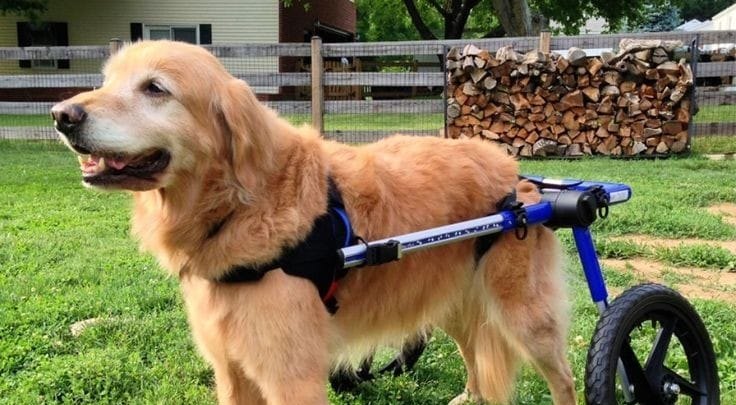
Is this a genetic disease? Does a diagnosis of hip dysplasia in your dog mean the breeder made mistakes by mating sick animals? Not necessarily, and that's why it's so important to know the breeder's work before acquiring a purebred dog!
Hip dysplasia is an orthopedic disease that causes malformation of the hip joint – that is, between the head of the femur and the acetabulum. It is a problem that can only be diagnosed through hip X-rays, and in its most severe form, it can already appear in the image of puppies as young as a few months old. Adult dogs can have dysplasia even if they do not yet show any clinical signs, which is why X-rays are so important before deciding on breeding, since dysplastic dogs, even without clinical signs, should not be bred.
Therefore, in cases where the breeder did not perform X-rays before breeding, or even performed X-rays and bred dogs with the diagnosis, it is indeed possible to place the blame for a dysplastic puppy on the breeder. This is because, although not entirely genetically determined, this disease has a proven hereditary influence. Thus, it is the responsibility of the breeder to carry out their work of monitoring via X-rays , in an attempt to reduce the chances of puppies being born with the disease. This is especially important in the most affected breeds, which are generally large breeds: Golden Retriever, Labrador, Bernese Mountain Dog, Saint Bernard, Boxer, German Shepherd, etc. However, it is also the responsibility of the future "pet parent" to evaluate the breeder's work, requesting copies of hip exams before making a purchase. This type of attitude encourages responsible breeding and only fosters the work of those breeders who operate correctly.
However, since this is not a disease solely influenced by genetics, but also by the environment, the pet owner's role in preventing the disease is equally important : preventing obesity, especially in puppies, avoiding slippery floors and excessive steps, and providing a balanced diet are factors that, combined with the breeder's proper work, greatly increase the chance of the pet growing up with normal joints.
It is important to remember that it is entirely possible for a puppy to be born with hip dysplasia even from healthy couples . This is because it is very complex to predict the genetic predisposition that may be present in dogs with normal X-rays. Since there are still no genetic tests to determine the presence of this predisposition, the decision to breed a dog should be based on X-rays. In these cases , it is not feasible to delegate responsibility to the breeder who evaluated their dogs and bred only healthy dogs, since the only tools available for controlling the disease were used.
Fabiana Michelsen de Andrade
Geneticist specializing in small animals.
Biologist, Master's and PhD from UFRGS.
Postdoctoral studies in Cellular and Molecular Biology (United Kingdom) and in Animal Genetic Improvement (UFRGS)
Founding partner and scientific director of petgenoma



