Does the presence of a race in the racial composition results always indicate ancestry?
22/11/2024
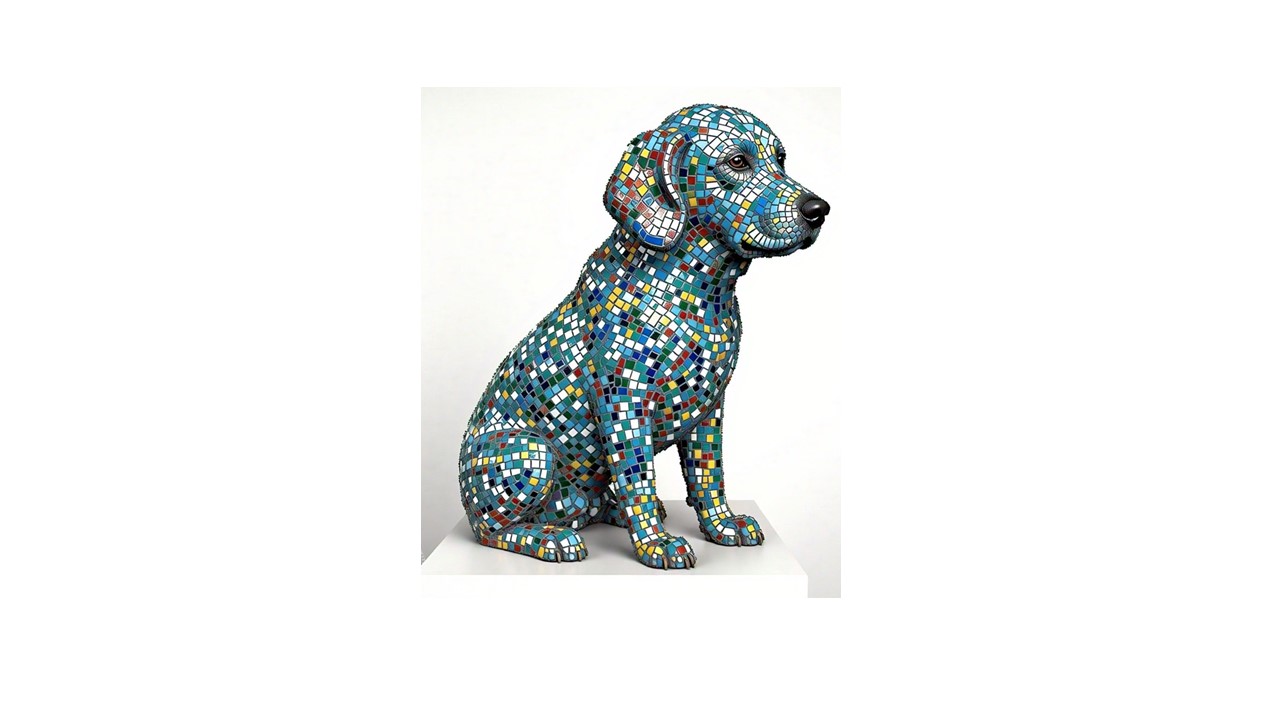
When we talk about ancestry in dogs, we are referring to their genetic history, that is, the breeds and characteristics that have been passed down from generation to generation. This history helps to understand the characteristics and traits that a dog exhibits today, such as its physical size, temperament, and even certain health needs and specific care requirements.
In genetics, ancestry represents the "origin" of certain parts of the DNA, which carry traits from breeds or regions that contributed to the dog's genetic "mosaic." However, the presence of a breed in genetic analysis does not always indicate that the animal has a direct ancestor of that specific breed.
This happens because ancestry analysis programs calculate the proportion of breeds in DNA from many genetic markers – in the case of petgenoma, 80,000 markers. This data generates a general estimate, which identifies regions of the genome that are similar to those of some breeds. This similarity can occur because a dog actually had an ancestor of that breed (“similarity by descent” ) or because random genetic mixing across generations ended up originating the same regions present in some breeds (“ similarity by state” ). In general, values below 10% cannot have their cause determined : a dog with less than 10% of a breed may either have had distant relatives (great-great-grandparents and beyond) of that breed, or have this percentage simply due to similarity. In extreme and rare cases, it is even possible that a purebred dog comes from a long line of mixed-breed dogs, without any purebred ancestor in many generations, but that its genetic makeup results in a similarity to that of a dog of a particular breed. This fact also explains why some breeds that do not exist in Brazil may appear in compositions of less than 10%: it does not mean that a dog had an ancestor of that breed, but rather the "coincidence of mixtures".
Therefore, the presence of a breed in a genetic analysis suggests more of a "genetic compatibility" with certain traits than a confirmation of direct descent from that breed in the dog's recent lineage.
Darilene Ursula Tyska
Geneticist and bioinformatician.
PhD in Genetics and Animal Breeding | UFRGS
Master's Degree in Animal Production | UFPel
Animal Scientist | UFPel



