Beagle: characteristics, personality and essential care for owners
01/07/2026

The Beagle is one of the most beloved breeds in Brazil—and for good reason. With its expressive eyes, floppy ears, and impressive sense of smell, this dog wins over any family. But, beyond its undeniable charm, the Beagle has specific needs that every owner should know before adopting.
If you already own one or are thinking of bringing one home, this guide will help you better understand the breed's origins, behavior, and daily care requirements.
Origin and history of the Beagle
The Beagle is a breed with centuries of history. Originating in England, it was developed primarily for hunting hares and rabbits, thanks to its exceptional sense of smell and physical stamina. Therefore, even today it retains a very strong investigative instinct—any unusual scent is enough to trigger a thorough sniffing of the surroundings.
This genetic heritage explains much of the breed's current behavior: the stubbornness, the intense curiosity, and the seemingly inexhaustible energy. Knowing your pet's origins is the first step in understanding why it acts the way it does.
Personality and behavior
The Beagle is sociable, cheerful, and very attached to its family. It gets along well with children, other dogs, and even cats, when socialized from puppyhood. However, it is a breed that does not like to be alone for long periods—isolation can lead to anxiety and destructive behaviors.
Another important point is vocalization. The Beagle dog has a characteristic bark, almost a howl, which can bother neighbors if there is no adequate stimulation and routine. Daily mental and physical stimulation is essential to keep this pet balanced and happy.
Furthermore, a Beagle 's behavior can vary considerably depending on its lineage. Understanding the factors that influence dog behavior helps create more efficient and personalized management strategies.
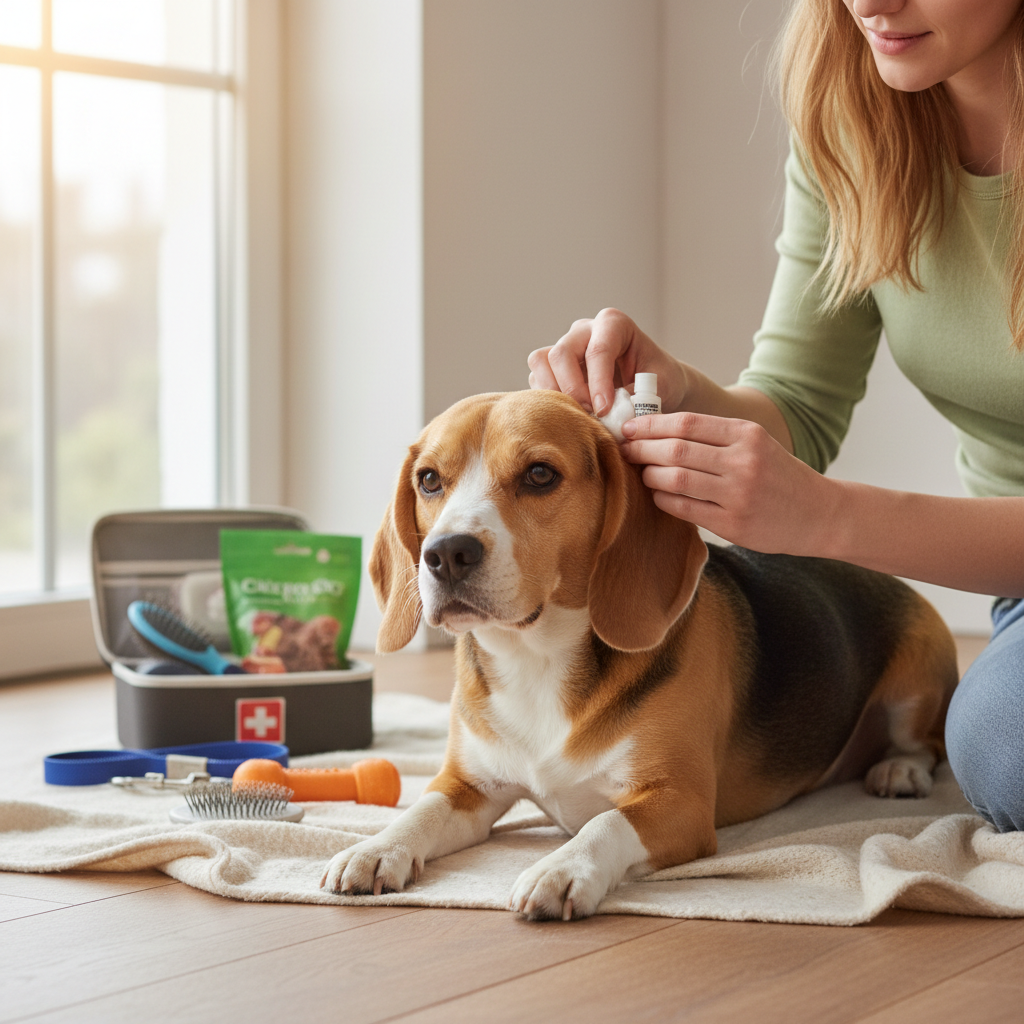
Beagle health care
Beagle health deserves special attention in several areas. Their long, floppy ears promote moisture buildup, increasing the risk of canine otitis . Regular cleaning and periodic veterinary visits are essential to prevent recurring infections.
Another frequent concern is weight. Beagles have an intense relationship with food—they eat everything they find, which makes them prone to obesity . An overweight pet suffers more from joint, heart, and metabolic problems. Therefore, dietary control and regular physical exercise are part of a healthy routine for this breed.
Keeping vaccinations up to date, deworming, and protection against ticks are also basic precautions that cannot be neglected.
Genetic predispositions of the breed
Like all purebreds, the Beagle has genetic predispositions that deserve attention. Among the most commonly observed conditions are epilepsy, hypothyroidism, hip dysplasia, and some hereditary eye diseases.
Knowing your pet's genetic profile allows you to act preventively, before any condition manifests. Analysis of genetic diseases in dogs shows how DNA mapping can transform the way we care for breeds with known predispositions.
It is very common for Beagles to be predisposed to herniated discs, which can be detected through genetic testing and managed to slow the progression of the disease. The test will also reveal other breed-specific diseases, such as vitamin B12 malabsorption requiring supplementation, and factor VII deficiency, a coagulation problem that can pose risks during surgery.
A comprehensive genetic test reveals not only disease risks, but also information about behavior, physical characteristics, pharmacogenetics, and much more — all based on the individual genetics of your Beagle dog .
Nutrition and exercise
Beagles need a balanced diet and controlled portions. Avoid excessive treats and unsuitable foods. High-quality dog food, recommended by a veterinarian according to size and life stage, is the basis of a healthy diet.
In terms of exercise, this breed needs at least 30 to 60 minutes of physical activity per day. Walks, outdoor play, and scent work are great options for expending energy and stimulating the mind of this scent hound .
Frequently asked questions about the Beagle
Is a Beagle a good breed for an apartment? Yes, as long as it receives sufficient daily exercise and mental stimulation. Without this, it can become restless and vocal.
Do Beagles bark a lot? Yes, especially when bored or anxious. Training and routine help reduce this behavior.
Can a Beagle be left alone? Not for long periods. It's a breed that needs constant companionship and interaction.
How often should I take my Beagle to the vet? At least twice a year for preventative check-ups, in addition to routine appointments for vaccinations and deworming.

Genetics and personalized care with petgenoma

Taking good care of a Beagle goes beyond the basics — it's about understanding what their genetics reveal. petgenoma offers comprehensive genetic testing that transforms information into real prevention, helping pet owners make safer decisions for their pet's health. Learn about the available plans and discover what your companion's DNA has to say. petgenoma is located at Av. Prof. Lineu Prestes, 2242 - Room 25 - Cidade Universitária, São Paulo SP, and you can also follow their news at @petgenomabr.
Essay
Petgenoma



