Obese dog: causes, risks, how to identify it, and what to do to help your pet.
13/12/2025
Index
Introduction
An obese dog isn't just an "overweight" dog—it's an animal at higher risk of developing heart, joint, metabolic, and even hormonal diseases. Obesity is so common that many owners don't notice the problem until more serious signs appear. In this article, you'll understand why obesity occurs, what its risks are, and how to help your pet safely and effectively, always based on preventative nutrition and the importance of knowing the dog's genetic individuality—an essential principle addressed in articles such as "Not doing genetic testing can shorten your dog's life!".
What characterizes an obese dog?
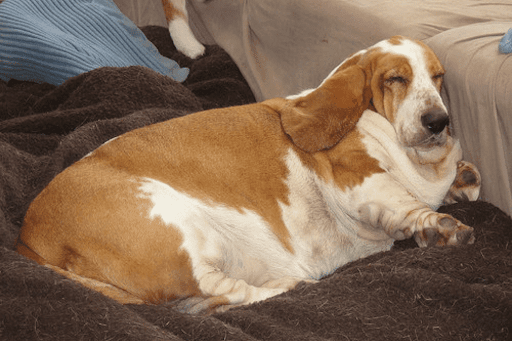
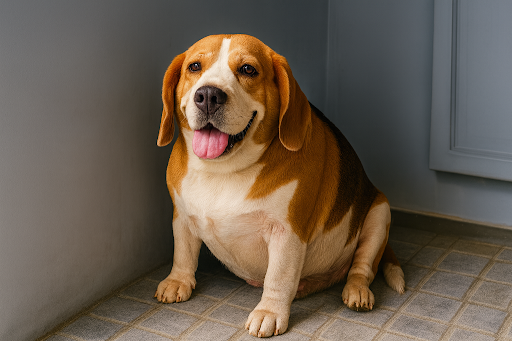
An obese dog is one whose body weight exceeds the ideal weight for its build by 20% or more. Visual assessment is important: not being able to feel the ribs, lack of a defined "waist," having a belly wider than the chest, reduced activity levels, and panting easily are common signs of the problem.
Why do dogs become obese?
The causes are multifactorial and often involve an imbalance between energy intake and calorie expenditure. Among the most common factors are inadequate diet (excessive treats or human food), neutering, which alters metabolism and energy demand, sedentary lifestyle, hormonal diseases such as hypothyroidism and Cushing's syndrome, and genetic breed predispositions.
Main risks for an obese dog
Obesity is not just a cosmetic problem; it's a disease that compromises a pet's longevity and quality of life. The main risks include an increased risk of diabetes, worsening of joint problems such as hip dysplasia and arthritis, cardiovascular and respiratory problems, a higher chance of cancer, complications during surgery and anesthesia, and liver problems.
Important symptoms and signs
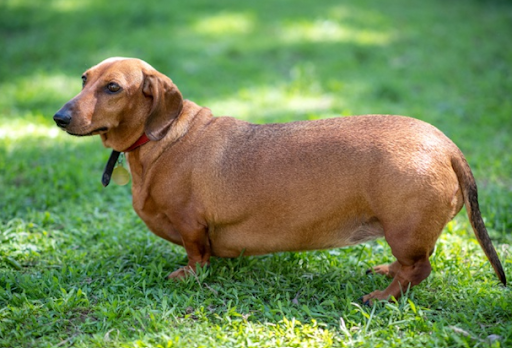
The symptoms of an obese pet go beyond weight. Observe if the dog has difficulty walking and getting up, tires easily with light activities, has labored breathing, has wounds or allergies in skin folds, and shows irritability or apathy.
How to help an obese dog lose weight
Weight loss requires an action plan: establish weight goals with your veterinarian, adjust your diet to a light or dietetic food, reduce the amount of high-calorie treats, gradually increase physical activity (walks and playtime), and use interactive toys that encourage movement. Remember that the process should be slow and supervised to be safe. Guidance from a veterinary nutritionist is very important in this process and will facilitate healthy weight loss without the dog going hungry.
And what about dogs with genetic predispositions?
Genetics plays a significant role in obesity. Some breeds, such as Labradors, Beagles, and Dachshunds, have a natural predisposition to weight gain. Furthermore, individual genetics can influence metabolism, satiety regulation, fat storage rate, and the tendency to develop related hormonal diseases. Knowing your pet's DNA helps identify risks, allowing for a personalized diet and a more effective exercise plan.
Learn more about the relationship between genetics and health:
Preventive nutrition for obese dogs
The treatment and prevention of obesity are highly dependent on nutrition. The diet should be rich in fiber, low in calories, and balanced. Supplementation with omega-3 and other nutrients can be beneficial, but always with professional guidance. A preventive nutritional plan focused on genetics can optimize the pet's metabolism.
When to seek veterinary help
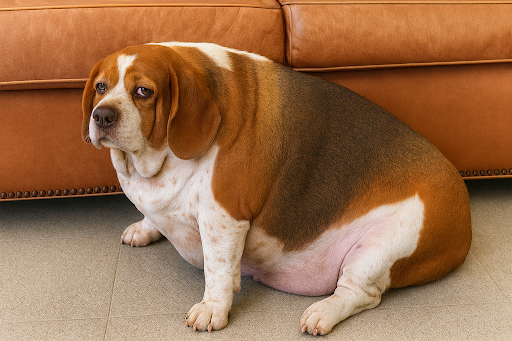
Consult a veterinarian for an initial assessment of weight and body condition before starting any diet if there is sudden and unexplained weight loss, or if your pet is lethargic, showing pain, or exhibiting signs of illness. The veterinarian may request additional tests to investigate hormones, thyroid function, and possible nutritional deficiencies.
Learn about petgenoma
petgenoma is a national leader in genetics for dogs and cats. Its tests analyze predisposition to obesity, food metabolism, intolerances, consanguinity, hereditary diseases, and inflammatory and cardiac risks. With a simple saliva sample, the owner receives a complete report, easy to interpret and essential for creating a truly personalized prevention plan.

Conclusion
An obese dog can fully recover its quality of life, provided it receives proper care, a balanced diet, and regular physical activity. Prevention, combined with genetic knowledge, is key to building a healthier, safer, and happier routine for your pet.
Essay
Petgenoma



