Can dogs eat papaya? Discover the benefits and how to offer it safely.
02/06/2026
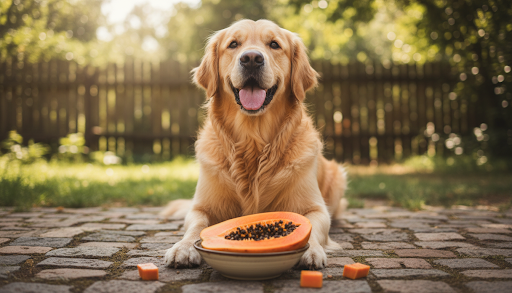
Many pet owners seeking to offer a more varied and healthy diet to their four-legged companions often encounter a common question: can dogs eat papaya ? The short answer is yes, dogs can enjoy this delicious and refreshing fruit, but there are important rules to ensure this treat doesn't become a health problem.
Papaya is known to be an excellent source of vitamins and fiber for humans, and it's no different for pets. However, the canine digestive system has particularities that require attention regarding preparation methods, the amount offered, and especially the parts of the fruit that should be discarded. In this complete guide, we will explore how a natural diet for dogs can be enriched with papaya and what preventive pet health care you should adopt.
The main health benefits of papaya for pets.
When considering the benefits of papaya for dogs, the first point to highlight is the presence of papain. This natural enzyme significantly aids in breaking down proteins, facilitating the digestive process. For animals with more sensitive digestion, papaya can be a valuable ally.
Besides papain, the fruit is rich in:
Vitamin A: Essential for eye health and strengthening the immune system;
Vitamin C: A powerful antioxidant that helps fight free radicals;
Fiber: Essential for regulating bowel movements;
Potassium and Magnesium: Minerals that aid in muscle function and heart health.
Offering fruit to dogs is an excellent way to hydrate them, especially on hot days, since papaya has a high water content. Incorporating papaya into their diet in moderation can contribute to a shinier coat and a more resilient body.

How to safely give papaya to pets?
Knowing that dogs can eat papaya is only the first step. The secret to a safe introduction lies in the preparation. Never offer the whole fruit or the peel to your dog. The papaya peel is hard and difficult to digest, and can cause gastric irritation or even obstructions in smaller breeds.
The ideal step-by-step guide on how to give papaya to your pet includes:
Remove the peel: Use only the fruit pulp;
Remove all seeds: Although small, papaya seeds are harmful to dogs if consumed in large quantities, as they contain traces of cyanide and can cause intestinal discomfort;
Cut into cubes: The size should be proportional to the size of your pet to avoid choking;
Moderation: Papaya should be a snack, not the basis of your diet.
If you like to vary your options, know that your dog can also eat mango , following similar recommendations for removing the pit and peel. Maintaining a routine of healthy treats is a way to show affection and care for your pet's well-being.
Does papaya loosen a dog's bowels? Understand the effect.
One of the most frequent questions among pet owners is whether papaya loosens a dog's bowels . The answer is yes. Due to its high fiber content and the presence of the enzyme papain, the fruit has a natural laxative effect. This can be extremely beneficial for dogs suffering from mild constipation.
On the other hand, if your pet already has loose stools or is experiencing diarrhea, it's best to avoid the fruit temporarily. Excess fiber can worsen the condition. Always observe your pet's stools after introducing any new food into their diet. According to animal nutrition guidelines, balance is key to avoiding gastrointestinal upset.
Important precautions and contraindications
Although it's a healthy option, not all dogs can eat papaya without restrictions. Diabetic dogs, for example, should consume the fruit with extreme caution and under veterinary guidance, due to the natural sugar (fructose) present in the pulp. Excess sugar can unbalance blood glucose levels.
Another point to consider is obesity. Treats, even natural ones like papaya , should represent a maximum of 10% of the animal's total daily calories. Furthermore, if your pet has genetic predispositions to metabolic problems, extra care should be taken.
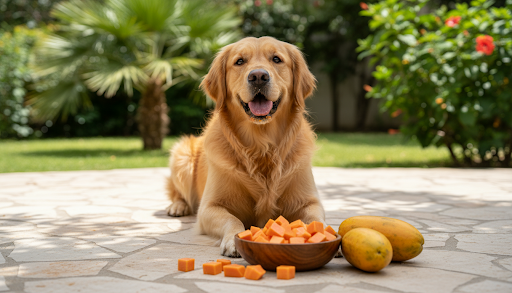
The importance of understanding genetics for precise nutrition.
Nutrition and genetics go hand in hand. While knowing that your dog can eat papaya helps with daily management, understanding your pet's genetic makeup reveals how their body processes nutrients and what diseases they may be prone to developing. Some breeds have specific sensitivities that make certain foods more or less recommended.
For example, pet owners seeking to know how long their pet can live discover that longevity is directly linked to the prevention of hereditary diseases and a balanced diet. Similarly, understanding conditions such as dilated cardiomyopathy or the risk of mast cell tumors allows you to adapt your best friend's lifestyle from an early age.
If you rescued an animal and don't know its origin, tools like "how to find out your dog's breed" can help uncover the specific care its DNA requires. The science of animal DNA has transformed the way we care for canine health, allowing for much more personalized and efficient medicine.

Invest in the longevity of your best friend with petgenoma.
petgenoma is a pioneer in offering clarity and security to pet owners who want the best for their pets through advanced genetics. Understanding your dog's breed composition and health risks is the most important step in ensuring a long, healthy, and happy life with your loved one. If you want to know if petgenoma is worth it , the answer lies in the peace of mind that comes from having scientific data guiding every decision in your daily care. Visit petgenoma at Av. Prof. Lineu Prestes, 2242 - Room 25 - Cidade Universitária, São Paulo SP and discover how technology can strengthen the bond with your animal. Also follow @petgenomabr to keep up with the latest innovations in the world of pet genetics.
Essay
Petgenoma



