Can dogs eat melon? Discover the benefits and the correct way to offer it.
08/06/2026

Many pet owners, in their quest to provide a more varied and healthy diet for their companions, end up wondering if dogs can eat melon . After all, on hot days, nothing seems more inviting than a juicy and refreshing fruit. The good news is that, in general, melon is a safe and nutritious treat for dogs, as long as some basic preparation rules are followed.
Understanding canine nutrition goes beyond simply knowing what can or cannot go into the bowl. It involves understanding how each nutrient impacts the animal's well-being and longevity. Melon, for example, is an excellent source of hydration and vitamins, but, like any food in addition to their regular food, it should be offered in moderation. In this guide, we'll explore everything you need to know to include this fruit in your best friend's routine safely.
Paying attention to nutrition is the first step in preventing any canine disease related to nutritional deficiencies or excesses. Therefore, petgenoma has prepared this educational content so that you can make decisions based on science and care.
The main benefits of melon for canine health.
Melon is a fruit rich in nutrients that can benefit an animal's body in several ways. It contains high levels of vitamin A and vitamin C, as well as antioxidants that fight free radicals. These components are essential for strengthening the immune system and maintaining healthy skin and coat.
Besides vitamins, the fruit has a high water content. This makes it a powerful ally in keeping your pet hydrated, especially for those who don't drink much water during the day. Another positive point is the presence of fiber, which helps the gastrointestinal tract function properly. If you usually offer other fruits like watermelon or mango , melon is an excellent alternative to vary the flavors.
By offering natural treats, you also help prevent problems such as obesity in dogs , since melon has few calories compared to processed treats. However, balance is key to ensuring that the benefit does not become a problem.
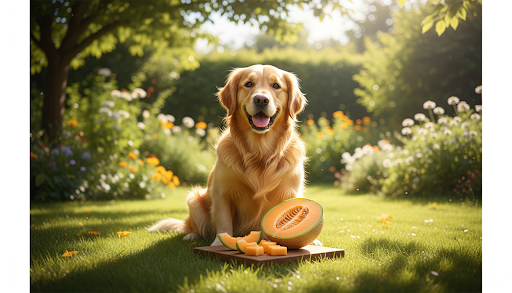
How to safely offer melon to your pet.
While the answer to whether dogs can eat melon is yes, preparation is the most important part to ensure safety. Never offer the whole fruit or the fruit with the rind. The melon rind is extremely hard and difficult to digest, and can cause serious intestinal obstructions or choking.
Follow these steps for safe preparation:
Remove all of the outer peel from the fruit;
Remove all seeds, as they can cause stomach discomfort;
Cut the pulp into small cubes, suitable for the size of your dog's mouth:
Offer it only as an occasional treat, not exceeding 10% of daily calories.
It's important to remember that some dogs may be sensitive to new foods. Therefore, when introducing melon, start with a small piece and observe the animal's reaction in the following hours. If you notice any changes in stool or behavior, discontinue use. This caution is similar to that recommended when offering pineapple or apple , ensuring that the pet's digestive system adapts well.
Are there any risks or contraindications?
Although healthy, melon contains natural sugar (fructose). For this reason, dogs diagnosed with diabetes should only consume foods recommended by their veterinarian. Excess sugar, even from fruit, can throw blood glucose levels out of balance in these animals.
Another point to consider is excessive consumption in healthy dogs, which can lead to episodes of diarrhea due to the high fiber and water content. Furthermore, always check if the fruit is fresh. Overripe or spoiled melons may contain harmful fungi and bacteria. To maintain preventative health, in addition to diet, it is essential to pay attention to other aspects of care, such as protection against dog worms and external parasites.
Often, how an animal reacts to certain foods or its propensity to develop obesity is linked to its DNA. Biological individuality must be respected in any dietary plan. Therefore, knowing your dog's genetics can be the key to a personalized diet.

The science behind personalized nutrition
Knowing that dogs can eat melon is only part of the care. Genetics plays a crucial role in how each organism processes nutrients and deals with fat accumulation. Some pets have genetic predispositions that make them more prone to weight gain or developing specific food sensitivities.
Through pet DNA analysis , it's possible to identify these particularities even before symptoms appear. This allows the owner and veterinarian to adjust the diet much more precisely, choosing the best foods and ideal quantities for that specific individual.
If you're wondering whether investing in technology is worthwhile, know that petgenoma is a common question many pet owners answer positively when they see the improvement in their animals' quality of life. Having a genetic map at hand helps not only with nutrition but also in the prevention of various hereditary conditions.
Creative tips for serving melon in the summer.
To make it even more fun, you can freeze the melon cubes. They turn into natural "popsicles" that help cool your dog down on the hottest days. Another option is to blend the melon with a little water and put it in silicone molds to create healthy popsicles.
Always remember to vary the treats. If your pet likes fruit, you can also read about offering guava or whether peanuts are a safe option. Dietary diversity, when done responsibly, stimulates the animal's palate and enriches its environment.
By taking care of their diet and using modern tools like animal DNA testing, you are building a healthier and longer future for your companion. Prevention is, without a doubt, the greatest act of love a pet owner can offer.

Invest in your pet's health and longevity with petgenoma.
Now that you know that dogs can eat melon and how to do it safely, how about taking the next step in caring for your best friend? petgenoma offers the most advanced genetic tests on the market to help you understand every detail of your pet's health, ancestry, and behavior. With our panels, you can discover predispositions to diseases and risks of obesity, allowing for truly preventive and personalized care. We are located at Av. Prof. Lineu Prestes, 2242 - Room 25 - Cidade Universitária, São Paulo SP and serve all of Brazil. Follow our daily tips and scientific news by following @petgenomabr on Instagram. Transform your pet's life through science!
Essay
Petgenoma



