Can dogs eat popcorn? Discover the risks and the correct way to offer it.
15/06/2026
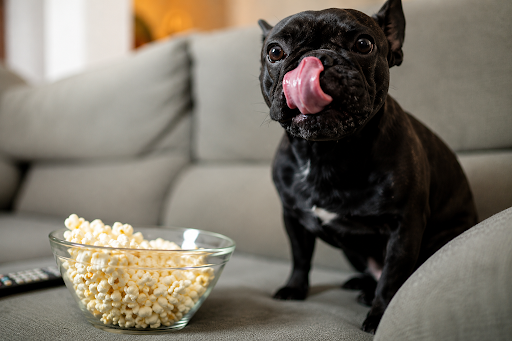
You're sitting on the couch, about to start a movie, and the smell of popping corn fills the room. In a few seconds, your best friend appears with that irresistible look, begging for a kernel. At that moment, a common question arises among many pet owners: can dogs eat popcorn? After all, we want to share our leisure time, but the animal's health should always come first.
The short answer is yes, but with extremely important caveats. While corn itself isn't toxic to dogs, the way we humans prepare this treat can turn a harmless snack into a real danger for your dog's diet . Understanding what is safe and what should be avoided is the first step in ensuring your companion's well-being.
In this comprehensive guide, we'll explore the nutritional benefits, choking hazards, and how to strategically prepare healthy dog treats using popcorn. Additionally, we'll see how genetics can influence how your pet processes different foods.
So, can dogs eat popcorn?
Yes, dogs can eat popcorn , as long as it's specifically prepared for them. Movie theater popcorn or microwave popcorn, which is full of salt and fat , is strictly forbidden. Corn kernels popped only with heat (without oil or butter) contain fiber and some minerals that can be beneficial for digestive health .
However, popcorn should never replace the main dog food or be offered in large quantities. It should be considered an occasional treat. It's crucial to remember that dogs' digestive systems are different from ours, and an excess of complex carbohydrates can lead to problems such as weight gain, making the animal an obese dog .
The benefits of popcorn for pets.
When prepared correctly, pet popcorn offers several beneficial nutrients. It is rich in riboflavin and thiamine, which aid in eye health and energy metabolism. Additionally, the fiber in the kernel helps with intestinal transit, which is positive for maintaining overall health.
Another positive point is the low calorie content of "air" popcorn. For pet owners looking to vary treats without compromising their pet's diet, it can be an interesting alternative to other items. If you've ever wondered if your dog can eat peanuts or other seeds, you know that moderation and natural preparation are key to success.

The hidden dangers: Salt, fat and spices
The biggest problem when pet owners wonder if their dogs can eat popcorn isn't the kernel itself, but the toppings. Excess sodium is extremely harmful, potentially causing excessive thirst, dehydration, and even sodium ion toxicity in severe cases.
Fat, whether from butter or vegetable oil, is another culprit. Frequent consumption of fats can cause pancreatitis, a serious inflammation of the pancreas that requires immediate veterinary care. Furthermore, seasonings like garlic and onion powder, common in commercially produced popcorn, are toxic to dogs and can cause severe anemia.
Risk of choking and dental problems
Besides the chemical composition, there is a physical risk. Unpopped kernels (the famous "piruá") represent a high risk of choking and can cause asphyxiation, especially in small breeds. These hard kernels can also chip or break the animal's teeth, as well as get stuck in the gums, causing inflammation and pain.
Popcorn husks often get stuck between teeth and under the tongue, which can lead to persistent discomfort and even tartar buildup if oral hygiene isn't rigorous. Therefore, when offering this snack, make sure each piece is perfectly popped and soft.
How to safely prepare popcorn for your dog.
To ensure your dog can eat popcorn without worry, follow these simple steps:
Use an air popcorn maker or microwave: Place the corn in a brown paper bag or microwave-safe bowl, without adding a single drop of oil or butter;
Zero seasoning: Do not use salt, sugar, pepper, or any type of condiment;
Manual selection: Before offering to your pet, remove all unpopped kernels and any hard husks that have come loose.
Moderation: Offer only a few flakes. The golden rule is that treats should not exceed 10% of the animal's daily calories.
If you like variety, there are other safe and nutritious options, such as offering apples (without seeds) or checking if your dog can eat bananas.

Genetics and food sensitivities
Not all dogs react to food the same way. While a Border Collie might tolerate small treats well, a dog with a genetic predisposition to obesity or metabolic problems needs much stricter control. Modern science allows owners to go beyond the basics to understand their friend's real needs.
Understanding your pet's DNA helps identify if they have a higher risk of developing chronic diseases. For example, knowing if they have a predisposition to dilated cardiomyopathy or other conditions can completely change how you plan their diet and exercise. Personalized nutrition, based on concrete data, is the future of animal well-being.
According to animal nutrition experts from the Brazilian Association of Pet Product Industries (Abinpet), the basis of health lies in the balance of nutrients and the prevention of excesses.
When should you avoid popcorn completely?
Even if prepared correctly, some dogs should avoid this snack. If your pet has a history of digestive problems, sensitivity to corn , or is on a weight loss program, avoid it. Dogs with pre-existing dental problems should also not consume foods that could get stuck in their oral cavity.
Always monitor your pet's behavior after introducing any new item into their diet. Signs such as vomiting, diarrhea, or lethargy indicate that the food was not well tolerated. In cases of serious viral diseases, such as parvovirus , the diet must be strictly controlled by a veterinarian to aid in recovery.

Conclusion: Health and Prevention with the petgenoma
Knowing whether your dog can eat popcorn is just one part of the daily care we dedicate to our companions. Preventive nutrition, combined with in-depth knowledge of genetics, allows your pet to live longer and better. At petgenoma , we offer cutting-edge technology so you can discover everything your dog's DNA can reveal, from breed composition to mapping oncological risks in pets , guaranteeing personalized medicine and much more love. Learn about our home collection kits at Av. Prof. Lineu Prestes, 2242 - Room 25 - Cidade Universitária, São Paulo SP and follow our health tips at @petgenomabr.
Essay
Petgenoma



