Learn what dilated cardiomyopathy is in dogs.
30/04/2024
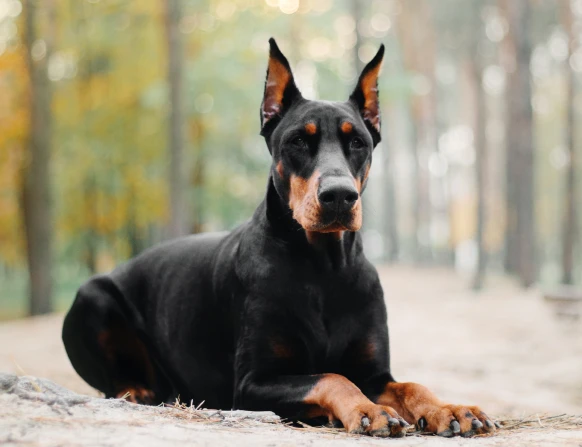
Dilated Cardiomyopathy (DCM) is a disease influenced by different genetic variants depending on the breed. It is recessive in Schnauzers and dominant in Dobermans, making the correct DNA interpretation for the breed in question very important. DCM is a chronic heart condition that causes dilation of the heart chambers, the atria and ventricles, resulting in thinner and weaker heart muscle.
With the weakening of the heart muscle, the organ loses its ability to contract and pump blood as it should, causing systemic changes in animals affected by the disease. Generally, dogs with this pathology begin to show clinical signs from about one and a half years of age and may present with exercise intolerance, coughing, weakness, apathy, easy fatigue, arrhythmias, and even fainting.
Dilated Cardiomyopathy (DCM) can be diagnosed through evaluation by a veterinary cardiologist and specific tests such as echocardiography, electrocardiography, chest x-ray, blood count, and biochemical tests. In many cases, diagnosis can be challenging, especially when not performed by a cardiologist, and in this sense, genetic testing is of great importance. Furthermore, detecting risk in a puppy without clinical signs is crucial so that the dog can be monitored and treatment can begin as early as possible, improving its quality of life. The only way to prevent it is through the correct formation of breeding pairs, based on the results of genetic tests, which will prevent the birth of dogs that develop the disease. The most common variants for DCM are tested in petgenoma and are part of the PREMIUM product, which you can find here .
Currently, there is no cure for DCM. However, after an accurate diagnosis, treatment is possible, consisting of medications that increase the force of heart contraction, reduce overload, and control arrhythmias, as well as diuretics and blood pressure regulators, which must be prescribed and monitored by a veterinary cardiologist.
Roberta Costa
Veterinary Doctor
Consultant at Petgenoma



