Chihuahua: characteristics, behavior, and essential care for the world's smallest breed.
02/04/2026
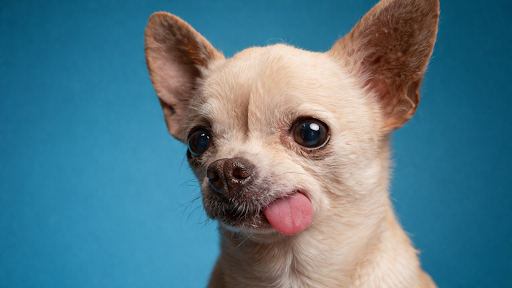
Many people seek a small companion for apartment living. However, the Chihuahua is much more than just a lap dog. Known worldwide as the smallest dog breed in existence, this remarkable little dog possesses a vibrant, loyal, and, at times, quite audacious personality.
Furthermore, owning a pet of this size requires specific knowledge. This is because their physical fragility demands special care to ensure quality of life and safety on a daily basis.
Although small in size, the history and genetics behind this breed are fascinating. Originating in Mexico, the Chihuahua has won admirers around the world and has become a true symbol of companionship and elegance.
Therefore, in order for him to live life to the fullest, it is essential to understand his temperament and biological needs, especially when we talk about preventative health.
Throughout this guide, you will understand everything from the breed's origins to the essential care needed to ensure a long and healthy life for your pet.
Origin and history: the little Mexican treasure
The history of the Chihuahua is shrouded in mystery and dates back to ancient civilizations, such as the Toltecs and Aztecs. It is believed to descend from the Techichi, a dog considered sacred by these peoples.
Over time, the breed evolved to reach its current standard, being rediscovered in the Chihuahua region of Mexico around 1850.
Unlike other breeds created for work or hunting, the Chihuahua has always had a companion role. As a result, it has developed a behavior that is extremely close to humans.
Furthermore, this historical connection explains their constant need for closeness and their strong protective instinct.
Currently, the breed is recognized worldwide and has established itself as one of the most popular companion dogs.
Physical characteristics: the diversity of the world's smallest
When we think of Chihuahuas, the first thing that comes to mind is their size. In fact, most specimens do not exceed 3 kg. However, the diversity within the breed is quite broad.
There are two main variations:
Short hair : dense and shiny coat;
Long hair : silky texture with fringes.
Furthermore, the shape of the head also varies. The best-known pattern is the "apple head," with a rounded skull, being the classic and sought-after pattern in dog breeding. The "deer head," on the other hand, has a more elongated muzzle.
Another important point is the variety of colors. The breed can have solid colors or varied combinations, making each individual unique.
Therefore, understanding genetics is essential to understanding not only appearance, but also structural and health characteristics.
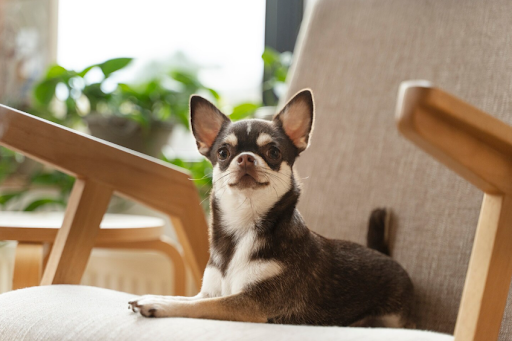
Chihuahua temperament: giant personality
Despite their small size, Chihuahuas have strong and distinctive personalities. In many cases, their behavior is compared to that of larger dogs.
They are vigilant, courageous, and extremely loyal. In fact, they tend to form a stronger bond with one specific person in the family.
Furthermore, they are intelligent and learn quickly. However, they can become stubborn if not properly guided.
For this reason, early socialization is fundamental. Without this process, the dog may become reactive or distrustful of strangers.
Another important point is the level of activity. Although they don't require intense exercise, they need daily stimulation, both physical and mental.
Chihuahua health and genetic predispositions
In general, the Chihuahua is a long-lived breed, capable of living over 15 years. However, there are some genetic predispositions that require attention.
Among the main health problems, the following stand out:
Patellar dislocation;
Hypoglycemia, especially in puppies;
Hydrocephalus.
An important point is the risk of a herniated disc, or intervertebral disc disease , which can compromise the spine and mobility.
Therefore, regular veterinary checkups are essential. Furthermore, preventative exams help identify potential problems before they worsen.
Another fundamental aspect of care involves oral health. Due to the size of the dental arch, there is a greater accumulation of tartar.
Furthermore, keeping vaccinations up to date is essential, especially against diseases like distemper .
Essential daily care tips
Due to their small size, Chihuahuas need an adapted environment. Jumping from heights can cause injuries, so the use of ramps or stairs is recommended.
In addition, temperature control is essential. These dogs get cold easily and may need protection on colder days.
Nutrition also deserves attention. A balanced diet, specifically formulated for small breeds, provides energy and prevents health problems.
If you're choosing a name for your pet, you can find inspiration in these dog name suggestions that suit this breed.
To make your routine easier, consider:
Regular veterinary check-ups;
Gradual socialization;
Use of a harness instead of a collar;
Toys suitable for their size.
The importance of genetics in your pet's life.
With advances in science, understanding your pet's biology has become more accessible. Through animal DNA , it's possible to identify genetic predispositions even before symptoms appear.
This allows for more precise and personalized monitoring, significantly improving the animal's quality of life.
Furthermore, genetics helps guide decisions about diet, medication, and care routines.
Monitoring health is one of the main factors in ensuring longevity in small breed dogs.
Science and care for your best friend with petgenoma.
Caring for a Chihuahua goes far beyond appearance. Understanding their genetics, behavior, and needs is essential to providing them with a long and healthy life.
petgenoma offers advanced genetic testing that helps identify risks, understand characteristics, and personalize care for your pet.
You can learn more about our services at Av. Prof. Lineu Prestes, 2242 - Room 25 - Cidade Universitária, São Paulo SP, and follow our educational content at @petgenomabr .
In this way, you transform information into real care and ensure a better quality of life for your companion.
Essay
Petgenoma



