Is atopic dermatitis in dogs genetic?
15/06/2026
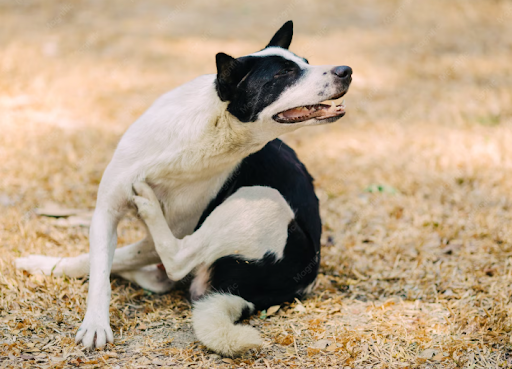
Have you ever noticed your dog scratching excessively, licking its paws incessantly, or showing redness on its skin? These are classic signs of a condition that afflicts many pet owners: atopic dermatitis in dogs . Often confused with simple flea bites or temporary food allergies, this disease is much more complex and profound than it seems.
The truth is that skin health is one of the pillars of animal well-being . When a pet suffers from constant skin allergy flare-ups, its quality of life drops drastically. But the burning question among pet owners and breeders is: does atopic dermatitis in dogs originate in DNA? Understanding the root of the problem is the first step towards effective treatment and a life without suffering.
In this article, we will explore how animal genetics influences the emergence of this pathology, what the warning signs are, and how scientific advances, such as DNA testing , can help you anticipate care and ensure longevity for your best friend.
What is atopic dermatitis in dogs?
Atopic dermatitis is a chronic, hereditary inflammatory disease. It occurs due to a hypersensitivity of the immune system to common environmental substances such as pollen, dust mites, fungi, and even human dander. In a healthy animal, the skin barrier acts as a protective shield. However, in atopic dermatitis in dogs , this protection fails.
This deficiency in the barrier allows allergens to penetrate the skin easily, triggering a disproportionate inflammatory reaction. Unlike mange , which is an acute mite infestation, atopy is a long-term condition that requires constant management. If left untreated, itching in dogs can lead to open wounds, secondary bacterial infections, and an endless cycle of pain.
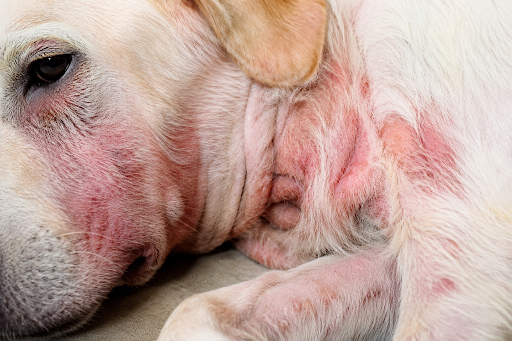
The influence of genetics on skin health.
Yes, atopic dermatitis in dogs has a very strong genetic component. Studies indicate that dogs with atopic parents have a much higher probability of developing the disease throughout their lives. This happens because the predisposition to have more permeable skin and a reactive immune system is written into the animal's genetic code.
Unlike an acquired canine disease , atopy is a condition a dog is born with. Some lineages have specific mutations in genes responsible for producing skin proteins, such as filaggrin. When this protein is lacking, the skin "cracks" microscopically, facilitating the entry of irritants. Therefore, knowing your pet's ancestry and genetic profile is fundamental for preventing severe flare-ups.
Symptoms and warning signs of atopic dermatitis in dogs
Identifying atopic dermatitis in dogs early can prevent the condition from progressing to a systemic infection. Symptoms usually appear between 6 months and 3 years of age, but can vary. Watch out for the following signs:
Intense itching: The dog constantly scratches, bites, or licks itself, especially on its paws, face, armpits, and abdomen;
Redness (Erythema): The skin presents pink or reddish tones in areas with little hair;
Recurrent ear infections: Many pets with atopy frequently suffer from canine otitis ;
Skin darkening: Over time, inflamed skin can become thicker and darker (hyperpigmentation);
Localized hair loss: Resulting from trauma caused by the animal's own scratching.
It is important not to confuse these signs with other conditions, such as mange in dogs or canine leishmaniasis , which also cause skin lesions, but have completely different causes and treatments.
Breeds with a higher genetic predisposition
Although any dog can develop the disease, the dog breeds most affected by atopic dermatitis in dogs tend to be those that have undergone intense artificial selection processes. Knowledge of breeds helps owners pay closer attention to their dog's dermatological health . Among the most predisposed breeds are:
West Highland White Terrier
English and French Bulldog
Golden Retriever and Labrador
Shih Tzu
Lhasa Apso
Pug
Shar Pei
If you have one of these pets, having a pet DNA analysis done can be crucial in understanding if it carries risk markers for inflammatory diseases. Furthermore, understanding the behavior of dogs suffering from chronic pain is vital, as skin irritation can make them more reactive or anxious.

How genetic diagnosis transforms treatment
In the past, diagnosing atopic dermatitis in dogs was done solely by exclusion. The veterinarian would rule out fleas, fungi, and food allergies before concluding that it was atopy. Today, DNA testing offers an extra layer of medical expertise.
Knowing that your pet has a genetic predisposition allows you to act even before the first sign of itching. This includes using specific shampoos to strengthen the skin barrier, supplementation with omegas, and rigorous environmental control. Preventive medicine is the future, and understanding the genetic map helps prevent the animal from reaching a state of acute suffering.
For pet owners seeking comprehensive care, it's worth checking out other pet health guides:
Tips for managing pets with atopic dermatitis.
If your dog has already been diagnosed with atopic dermatitis , the focus should be on control. There is no definitive "cure," but rather effective management so that your pet can live well.
Therapeutic Baths: Use products prescribed by the veterinarian that help moisturize the skin and remove allergens;
Ectoparasite Control: Fleas and ticks drastically worsen inflammation in atopic dogs;
Clean Environment: Avoid carpets and use vacuum cleaners with HEPA filters to reduce dust mites;
Quality Nutrition: A diet rich in fatty acids helps maintain healthy skin. Avoid inappropriate treats; if you are unsure whether peanuts or grapes are safe, always consult reliable sources before offering them.

Get a deep understanding of your pet's health with petgenoma.
Understanding that atopic dermatitis in dogs has genetic roots is the first step towards providing a more comfortable and dignified life for your companion. Science today allows us to go beyond superficial symptoms, delving into DNA to discover predispositions and risks before they become serious problems. At petgenoma , our mission is to translate the complexity of genetics into practical and accessible care for you. With our tests, you ensure a complete mapping of your friend's health, promoting longevity and happiness. We are located at Av. Prof. Lineu Prestes, 2242 - Room 25 - Cidade Universitária, São Paulo SP and serve all of Brazil. Follow our news and animal health tips by following @petgenomabr on Instagram and be part of the revolution in preventive pet medicine!
Essay
Petgenoma



