Dermatitis in cats: How genetics influences allergies in cats
15/06/2026
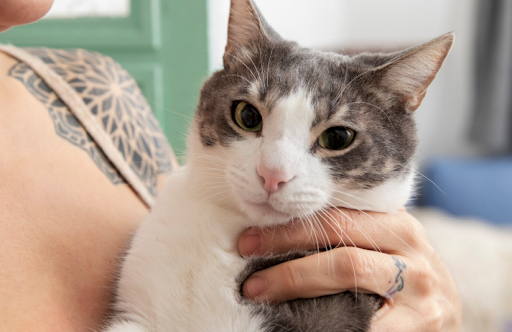
Have you noticed if your feline spends too much time licking or scratching specific areas? Although cats are extremely hygienic animals, excessive grooming can hide an uncomfortable problem: feline dermatitis . This inflammatory skin condition is not just an aesthetic issue, but a sign that your pet's body is reacting to something it shouldn't.
Many pet owners believe that skin problems arise solely from external factors, such as fleas or cleaning products. However, modern science reveals that hereditary predisposition plays a crucial role in feline dermatological health. Understanding how genetics influences these reactions is the first step in ensuring a long and comfortable life for your companion.
In this article, we will explore the causes, warning signs, and, most importantly, how genetic mapping can be a game-changer in the treatment of dermatitis in cats . After all, knowing your pet's DNA allows you to anticipate risks and personalize care in a unique way.
What is dermatitis in cats and why does it occur?
Dermatitis in cats is a broad term that describes various skin inflammations. These can manifest as redness, scabs, hair loss (alopecia), or small wounds caused by excessive licking. The cat's immune system, upon identifying a substance as a threat—be it food, a grain of pollen, or flea saliva—triggers an exaggerated inflammatory response.
Unlike conditions such as sporotrichosis in cats , which is caused by a fungus, or mange in cats , caused by mites, allergic dermatitis often has a strong internal component. The skin barrier of some felines is naturally more fragile due to genetic variations, which facilitates the entry of allergens and the loss of skin hydration.
Furthermore, diseases that affect the immune system, such as FIV in cats , can make the dermatological condition even more complex and difficult to treat. Therefore, observing the animal's behavior and the quality of its fur is fundamental for early diagnosis.
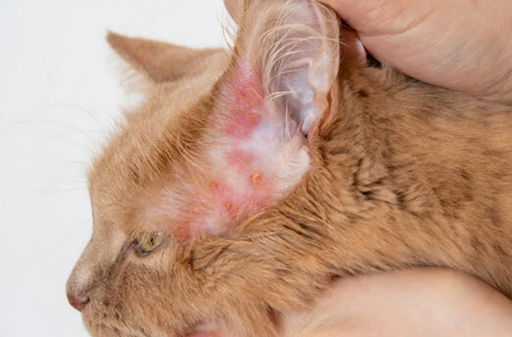
The influence of genetics on feline allergies.
Have you ever wondered why some cats eat any type of food and live well, while others develop severe allergies with the slightest change in diet? The answer lies in their genetic code. Certain cat breeds , such as Persians, Siamese, and Abyssinians, have a higher incidence of skin problems, suggesting that heredity is a determining factor.
Genetics influences the production of proteins responsible for skin integrity. When a mutation or variation occurs in these genes, the protective "wall" of the dermis is compromised. This explains why atopic dermatitis in cats —that caused by environmental elements—is so common in specific breeds.
By performing a pet DNA analysis , the owner can identify if the cat has a known risk factor for allergies: high inbreeding is associated with this type of problem and can be determined by a genetic test. According to studies by the World Small Animal Veterinary Association (WSAVA), understanding immunogenetics is essential for managing chronic diseases in small animals. This knowledge allows the veterinarian to prescribe more effective treatments, avoiding trial and error with generic medications.
Main types of dermatitis and warning signs
Identifying dermatitis in cats early can prevent minor irritations from developing into serious secondary infections. The most common signs include:
Intense itching: The cat scratches itself with its paws or bites its own skin;
Psychogenic licking: The animal licks an area (usually the belly or paws) so much that the fur disappears;
Cutaneous milia: Small crusts that look like grains of sand scattered across the body;
Eosinophilic granuloma complex: Raised, reddish sores, commonly found on the lips or thighs.
It's important to differentiate these signs from other problems. For example, an obese cat may have difficulty cleaning itself properly, accumulating dirt in skin folds that lead to localized dermatitis. Accurate diagnosis depends on a holistic view of the animal's health, combining clinical examinations and genetic information.
How genetic diagnosis transforms healthcare.
Previously, treatment for dermatitis in cats focused solely on suppressing symptoms with corticosteroids. Today, precision veterinary medicine seeks the root cause. Knowing if your feline has a hereditary predisposition completely changes the prevention strategy.
There are several reasons to perform genetic testing on cats , and skin health is one of the main ones. Mapping the immune system can reveal if your pet's immune system tends to be hyper-reactive. This helps in choosing the ideal diet and even in deciding which hygiene products to use.
Many pet owners wonder if genetic testing for their cat is worthwhile , and the answer is yes when we consider long-term savings. Avoiding recurring allergic reactions means less spending on emergency room visits and expensive medications, as well as providing much more comfort for the feline.
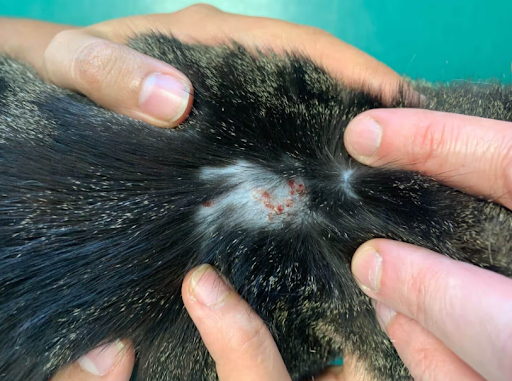
Prevention and management for an itch-free life
Controlling dermatitis in cats requires patience and discipline. In addition to genetic factors, some practical measures can help keep your pet's skin healthy:
Strict parasite control: Even cats that don't go outside can suffer from flea bites brought in on shoes or clothes;
High-quality nutrition: Selected proteins reduce the chances of food allergies;
Enriched environment: Stress is a known trigger for dermatological crises in felines;
Environmental hygiene: Avoid cleaning products with strong odors or harsh chemical components.
Using animal DNA as a screening tool allows you to understand your cat's specific characteristics even before the first symptoms appear. Prevention is always the best way to ensure your cat's only concern is where to take its next nap.
By integrating genetic science into your skincare routine, you move from simply reacting to illnesses to acting proactively. The skin reflects internal health, and understanding what's written in your partner's genetic code is the most profound form of care there is.

Invest in your feline's longevity with petgenoma.
Understanding the origin of dermatitis in cats and other health conditions is fundamental to providing real well-being for your pet. petgenoma offers advanced genetic testing technology so you can learn every detail of your companion's biology, helping in disease prevention and the selection of personalized treatments. Located at Av. Prof. Lineu Prestes, 2242 - Room 25 - Cidade Universitária, São Paulo SP , the company is a reference in animal biotechnology in Brazil. Discover a world of valuable information about your best friend and follow all the news by following the profile @petgenomabr on Instagram.
Essay
Petgenoma



