Canine dermatomyositis: what does genetics teach us?
20/08/2025
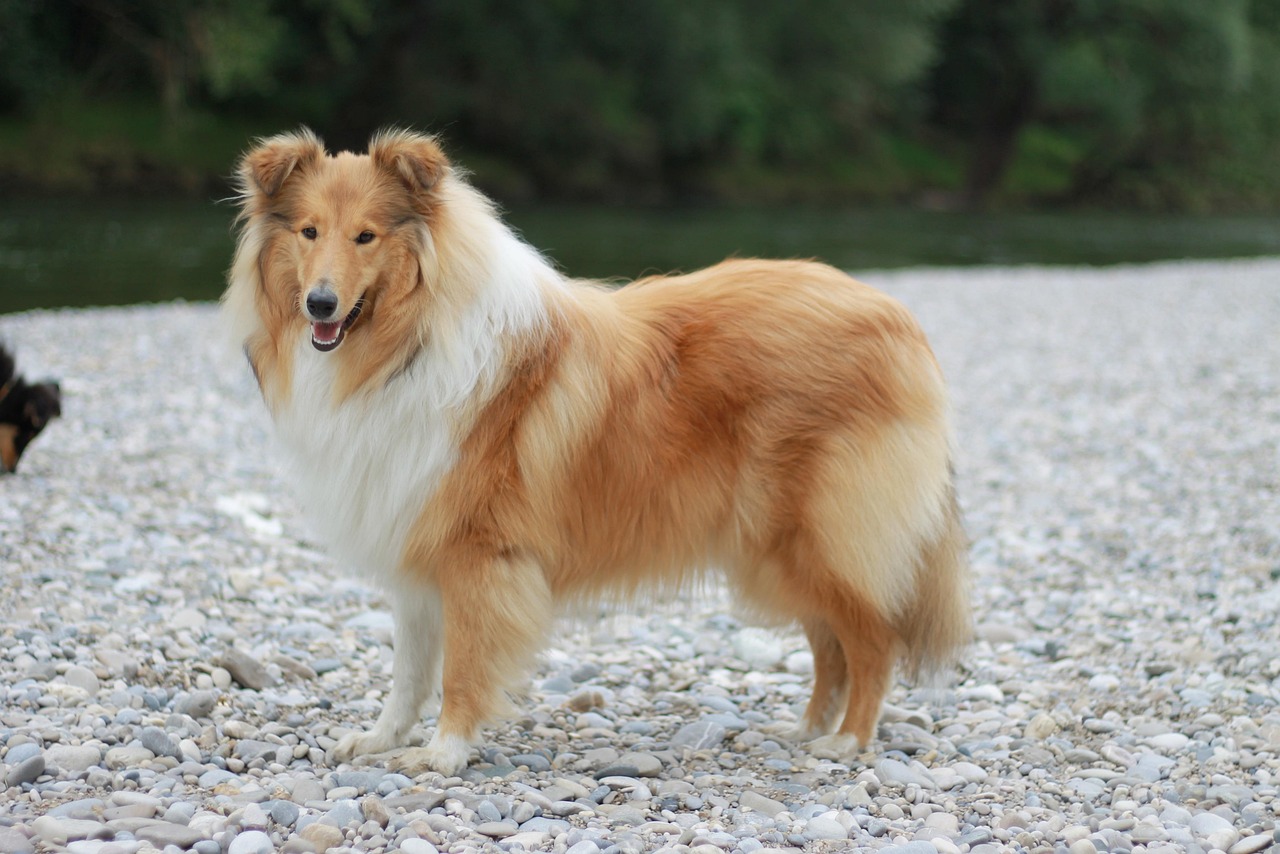
Have you ever heard of canine dermatomyositis? It's an autoimmune disease that primarily affects the skin and muscles, causing painful lesions in the dermis, hair loss (alopecia), and, in many cases, muscle weakness. Beyond the physical impact, the disease profoundly compromises the dog's quality of life, hindering simple daily activities and causing suffering for both the animal and its family.
The genetic causes of the disease:
For a long time, it was believed that the presence of a variant in the MHC (major histocompatibility complex) gene explained the risk of dermatomyositis. The MHC does indeed play an important role in the immune response, but studies showed a problem: this variant was present in both sick and completely healthy dogs. In other words, the MHC alone could not explain why some animals developed the disease and others did not.
To better understand this, researchers expanded the investigation and discovered two genes with a fundamental role in the development of dermatomyositis: PAN2 and MAP3K7CL . The study was conducted on highly predisposed breeds— Collie and Shetland Sheepdog —and showed that these risk variants were very present in these populations. The reason? Artificial selection. Over time, certain valued characteristics in these breeds ended up being "carried" along with undesirable genetic mutations, causing the PAN2 and MAP3K7CL variants to accumulate in their genomes. It's a random process that happens in the formation of all breeds: some are luckier, others less so.
Risk groups and the importance of gene interaction
The most interesting aspect of the discovery is that dermatomyositis doesn't depend on just one gene, but on the interaction between them . In practice, there are different possible combinations of MHC, PAN2, and MAP3K7CL. Some lead to a moderate risk (around 40–50%), while others practically determine the onset of the disease in certain breeds.
In Collie and Shetland dogs, the risk MHC is practically fixed in the population, meaning that most animals carry this variant. Therefore, it is the mutations in PAN2 and MAP3K7CL that really tip the scales. The most critical combinations, involving two copies of risk variants in each of these genes, reach a 90–100% chance of developing dermatomyositis in these breeds. This explains why some dogs of these breeds become ill at a very young age, just a few months old.
On the other hand, other breeds do not have an increased risk, even with the same set of risk variants, which demonstrates that these variants are not the only causes of the disease: to effectively increase the risk, they need to be in a set of other (yet undiscovered) variants that only exist in Collies and Shetland Sheepdogs. What does this teach us?
Here comes the most delicate part: when we talk about multifactorial diseases, a dog can carry the risk variant and never manifest the disease . This is because, in isolation, this variant is not enough to trigger the problem. But when different variants are found in the same individual, especially in double dose (homozygosity), the risk increases considerably. That's why even dogs considered healthy can produce sick puppies—it all depends on how the genes combine.
The presence of a risk variant will not necessarily lead to the disease in every dog, but it is important for the owner to be aware of the role of the variant found in other breeds: this can help in future diagnoses. In other breeds (except Collies and Shetlands), and in mixed breeds, these variants may have no influence, or may even have distinct influences, such as in other immunological or dermatological diseases.
The role of the petgenoma
Based on these scientific findings, petgenoma developed a test that evaluates the PAN2 and MAP3K7CL genes . And why don't we evaluate MHC? Because, in these populations, it is already practically fixed and, alone, has no real predictive power. What really matters is understanding the variants that, together, determine whether a dog is in a moderate or high-risk group for developing dermatomyositis.
Conclusion
Genetics has shown that canine dermatomyositis is more complex than previously thought. It's not a matter of a single gene, but of the interaction between multiple factors. For breeders and owners, the lesson is clear: knowing a dog's genetic profile not only helps to understand its individual health, but also guides responsible breeding decisions, reducing the chance of passing on risk combinations to future generations and producing puppies that also suffer from this condition.
Enrico Ferraz
Veterinary Medicine student - USP (8th semester)
petgenoma analyst
Fabiana Michelsen de Andrade
Geneticist specializing in small animals.
Biologist, Master's and PhD from UFRGS.
Postdoctoral studies in Cellular and Molecular Biology (United Kingdom) and in Animal Genetic Improvement (UFRGS)
Founding partner and scientific director of petgenoma



