Heartworm disease in dogs: what it is, symptoms, and the role of genetics in prevention.
02/06/2026

Did you know that a simple mosquito bite can represent one of the biggest threats to your best friend's health? Dirofilariasis in dogs , popularly known as heartworm disease, is a serious, silent condition that requires extra attention from owners, especially in coastal regions and warm climates.
Unlike other common worm infestations, this parasite lodges in the pulmonary arteries and heart, potentially causing irreversible damage. However, what many don't know is that science has advanced to the point where prevention can be done in a much smarter and safer way. Understanding the biological individuality of your pet is the first step towards effective care.
In this comprehensive guide, we will explore how heartworm disease in dogs works, what the warning signs are, and how petgenoma genetic tools can help you choose the best protection protocol for your dog, avoiding unnecessary risks.
What is heartworm disease in dogs and how is it transmitted?
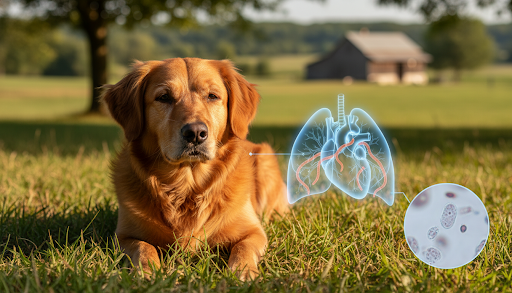
Heartworm disease in dogs is an infection caused by the nematode Dirofilaria immitis. Transmission occurs exclusively through the bite of mosquitoes (of the genera Culex, Aedes, and Anopheles) infected with the parasite's larvae. When the mosquito bites the animal, it deposits microscopic larvae in the skin, which migrate through the bloodstream until they reach the heart and lungs.
Once established, these worms can grow up to 30 centimeters in length, living for several years inside the host's body. The great danger of this canine disease is that it is progressive. The more worms accumulate, the greater the obstruction of blood flow, leading to heart failure and pulmonary hypertension.
Although more common in humid areas, especially coastal regions, urbanization and the movement of animals between cities mean that dirofilariasis in dogs is present in almost all of Brazil. Therefore, preventative animal health should be a constant priority, regardless of where you live.

Main symptoms and warning signs
One of the biggest challenges in diagnosing heartworm disease in dogs is that, in the early stages, the animal may not show any apparent clinical signs. Symptoms usually only appear when the parasite load is already high or when the damage to internal organs is significant.
Pay attention to the following signs:
Persistent, dry cough;
Tired easily after light exercise;
Difficulty breathing (dyspnea);
Unexplained weight loss;
Discouragement and lack of appetite;
Swollen belly (due to fluid buildup from heart failure).
If you notice any of these behaviors, seeking veterinary care is urgent. Treatment to eliminate adult worms is complex and can be dangerous for the animal, reinforcing the maxim that prevention is always the best approach.
The influence of genetics on the immune response.
Have you ever wondered why some animals seem more resistant to certain diseases than others? In canine heartworm disease , genetics plays a key role in how the pet's body reacts to the presence of the parasite.
Studies indicate that different dog breeds , and even individuals within the same breed, possess genetic variations that influence the immune response. Some dogs may develop much more severe inflammation in the blood vessels in response to the larvae, while others exhibit more stable conditions for longer periods.
Knowing your dog's genetic profile helps you understand their predisposition to cardiovascular problems, such as dilated cardiomyopathy , which can be aggravated by the presence of the parasite. Annual prevention is the only guaranteed way to prevent the disease from progressing.
Pharmacogenetics: safety in the use of preventive drugs
This is a crucial point for owners of breeds such as Border Collies , Australian Shepherds, and Whippets. Many of the medications used to prevent heartworm disease in dogs belong to the class of macrocyclic lactones (such as ivermectin).
Some dogs have a mutation in the MDR1 gene (ABCB1), which makes them extremely sensitive to these drugs. In these animals, the medication crosses the blood-brain barrier, potentially causing severe poisoning, seizures, and even death.
Through a genetic test using the petgenoma, you can find out if your pet has this sensitivity. This allows the veterinarian to prescribe the safest preventative medication at the correct dosage, ensuring that protection against heartworm in dogs does not become a life-threatening risk.
How to establish an effective prevention routine
Prevention of heartworm disease in dogs should be done throughout the animal's life. Because the parasite's life cycle is continuous, any interruption in the protocol can create a window of vulnerability.
Check out the pillars of solid protection:
Use of repellents: Collars and pipettes that repel mosquitoes help reduce the chances of mosquito bites.
Preventive medication: Monthly tablets or annual injections that eliminate the larvae before they become adults.
Regular checkups: Perform annual blood tests to ensure the animal is free of parasites;
Genetic testing: Understanding your dog's ancestry and drug sensitivities.
Knowing petgenoma are worthwhile is about understanding that precision medicine offers layers of safety that conventional care often ignores. By combining clinical management with DNA data, you create a personalized shield for your companion.

Preventive health with petgenoma
Understanding heartworm disease in dogs goes far beyond simply administering medication; it's about understanding how your pet's body works and what its limits are. Genetics is key to transforming how we care for our animals, moving from a reactive model to truly preventive and personalized medicine. At petgenoma, our mission is to provide the necessary tools for you and your veterinarian to make the best decisions based on solid and accurate scientific data.
If you want to ensure a long, healthy life free from avoidable risks for your dog or cat, learn about our complete genetic panels. We are located at Av. Prof. Lineu Prestes, 2242 - Room 25 - Cidade Universitária, São Paulo SP and we serve all of Brazil. Also follow our scientific tips and news on Instagram @petgenomabr and discover how science can further strengthen the bond between you and your pet through petgenoma technology.
Essay
Petgenoma



