Skin disease in dogs: myths, truths, and what you need to know.
02/06/2026
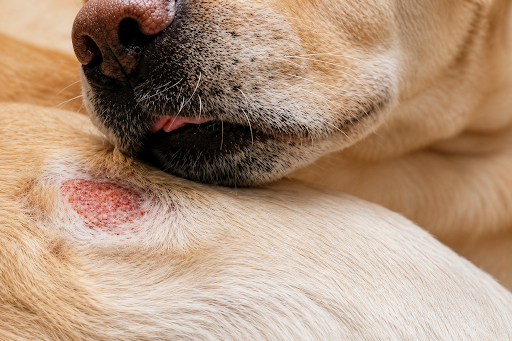
The health of the largest organ in an animal's body is one of the most frequent reasons for visits to veterinary clinics. Skin disease in dogs is not just a cosmetic problem; it causes discomfort, pain, and can be a sign that something is wrong internally. When the owner notices excessive itching or that the pet's skin is reddened, it is common to have questions about the origin of the problem and how to treat it effectively.
Often, what appears to be a simple allergy can mask complex conditions, such as malasseziosis or even genetic predispositions that affect the skin barrier. Understanding the causes and dispelling misconceptions is the first step in ensuring your pet lives a life free from irritation. In this article, we will explore the main types of dermatoses, the warning signs, and how modern science helps prevent complications.
What defines a skin disease in dogs?
Skin disease in dogs encompasses a wide range of conditions affecting the epidermis, dermis, and skin appendages, such as hair and nails. These conditions can be caused by external agents, such as parasites and fungi, or by internal factors, such as hormonal imbalances and immune reactions.
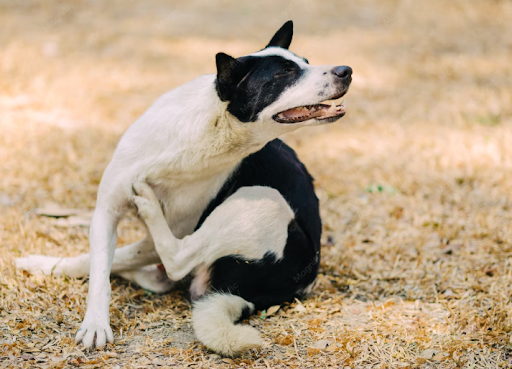
It's crucial to understand that a pet's skin acts as a protective barrier. When this barrier is breached by skin irritation or injury, the animal becomes vulnerable to secondary infections. Therefore, a simple dermatitis can quickly develop into pyoderma (bacterial infection) if not treated promptly. Monitoring any changes is an essential part of responsible pet ownership.
Myths and truths about canine skin problems
There is a lot of conflicting information about how to deal with canine dermatological health. Let's clarify the most common points:
1. "Any itch is a sign of fleas."
Myth . Although ectoparasite bites are a common cause, itching can be a symptom of food allergies, contact with cleaning products, or even stress. It's important to investigate whether the animal has a more systemic canine disease or if the reaction is localized.
2. "Some breeds are more prone to skin problems."
True . Genetics plays a crucial role. Dogs like the Border Collie , Labrador, Golden Retriever, or West Highland White Terrier may have specific sensitivities mapped in their DNA. Knowing their ancestry and genetic profile helps anticipate these needs.
3. "Bathing every week solves the problem of strong skin odor."
Myth . If the odor is caused by malasseziosis (an overgrowth of fungus), frequent baths with regular shampoos can worsen the situation by removing the skin's natural protection and keeping it moist, thus promoting fungal growth. The characteristic "foot odor" usually requires medical treatment.
Main types of skin disease in dogs
To identify what is happening to your friend, it is helpful to know the most frequent pathologies that affect canines in Brazil.
Atopic and Allergic Dermatitis
Dermatitis in dogs is undoubtedly the most frequently diagnosed condition. Atopic dermatitis is a genetic predisposition to developing allergies to environmental elements such as pollen and dust mites. Flea allergy dermatitis (FAD) occurs when the pet reacts to the parasite's saliva, causing severe irritation even with a single bite.
Scabies (Demodectic and Sarcoptic)
Mange in dogs can manifest in two main forms. Sarcoptic mange is highly contagious and causes unbearable itching. Demodectic mange, on the other hand, is linked to the animal's immune system and genetics, and is not contagious to humans or other pets, but requires strict control of the immune system.
Pyoderma and Bacterial Infections
Pyoderma occurs when bacteria already living on the skin take advantage of a weakness to multiply. It causes small pimples, scabs, and hair loss . Often, it appears as a consequence of another skin disease in dogs that was not controlled, making treatment longer.
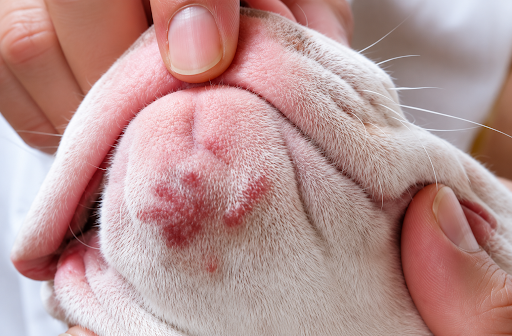
Warning signs: when to see a veterinarian?
Licking a paw isn't always just a cleaning habit. Owners should be aware of a number of signs that indicate the need for professional intervention:
Hair loss (alopecia): Circular or generalized bald patches in the coat;
Redness and swelling: Inflamed areas that feel hot to the touch;
Wounds and scabs: Presence of blood, pus, or dark crusts;
Change in texture: Skin that becomes too oily or excessively dry and flaky (seborrhea);
Obsessive behavior: The animal cannot stop licking or biting a specific area.
Early detection of skin sensitivity prevents the animal from developing chronic pain and depression, since constant discomfort directly affects the pet's psychological well-being.
The role of genetics in prevention
Often, skin disease in dogs is inherited from their ancestors. Some breeds have a deficiency in the production of proteins that keep the skin hydrated, making it easier for allergens to enter. That's why understanding the dog breeds involved in your pet's makeup is so important.
By performing a pet DNA analysis , the owner can identify risks for hereditary dermatological diseases. This allows the veterinarian to prescribe a specific diet or preventive hygiene products even before the first symptoms appear. Preventive medicine is the future of animal care.
How to keep your dog's skin healthy.
Prevention is always the best approach. Some simple measures can drastically reduce the chances of your pet developing a skin disease in dogs :
Parasite control: Keep up with deworming and flea/tick treatments;
Quality nutrition: Nutrients such as Omega 3 and 6 strengthen the skin barrier;
Proper drying: After bathing or walks in the rain, ensure the fur is completely dry to prevent fungus;
Regular brushing: Helps remove dead hair and allows you to examine the animal's skin closely;
Suitable products: Never use human shampoos, as the pH of a dog's skin is different from ours.

Get a deep understanding of your pet's health with petgenoma.
Understanding the origin of a skin disease in dogs is the first step towards definitive and effective treatment. At petgenoma , we offer cutting-edge technology so you can learn every detail of your best friend's genetics, helping to identify predispositions to allergies and other dermatological conditions. Located at Av. Prof. Lineu Prestes, 2242 - Room 25 - Cidade Universitária, São Paulo SP , petgenoma delivers precise reports that transform the way you care for your pet's health. How about discovering what your companion's DNA reveals? Follow our news and animal health tips by following @petgenomabr on Instagram.
Essay
Petgenoma



