Is tick-borne disease curable? Understand the risks, symptoms, treatment, and prevention.
12/12/2025

Index
Introduction
Tick-borne disease is among the most feared by pet owners, as it can progress rapidly, causing anemia, fever, and, in severe cases, life-threatening conditions. Therefore, the central question is: is tick-borne disease curable ? The answer is yes, but success depends on early diagnosis and immediate treatment. Understand below how the disease works, how to act, and how your pet's genetics can influence the body's response.
Is tick-borne disease curable?
Yes, tick-borne disease is curable , especially when diagnosed quickly and treatment is started immediately. The protocol should be monitored by a veterinarian and varies according to the severity and the microorganism involved. Even after recovery, the pet needs follow-up care, as sequelae may persist and there is vulnerability to new infections or relapses, since the animal does not develop permanent immunity.
What is tick-borne disease?
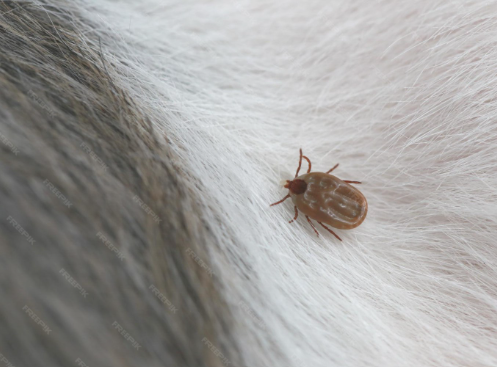
"Tick-borne disease" is the popular term for infections transmitted by tick bites, the most common being Ehrlichiosis (caused by the bacterium Ehrlichia canis , which affects white blood cells) and Babesiosis (caused by the protozoan Babesia spp., which destroys red blood cells). Both compromise the immune system and can result in anemia and bleeding.
How does a dog get tick-borne disease?
Transmission occurs when an infected tick (primarily Rhipicephalus sanguineus , or brown dog tick) bites the dog and injects the microorganism into the bloodstream. The tick may be present in parks, on walks, or brought into the home.
Main symptoms
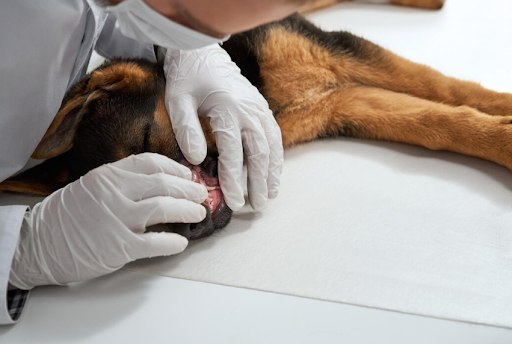
The signs vary depending on the agent and stage, but the most common include fever, lethargy, loss of appetite, and weight loss . The owner should also monitor for signs such as pale mucous membranes (indicating anemia), petechiae (small bleeding spots on the skin), swelling in the paws, vomiting, diarrhea , and, in chronic cases, neurological or kidney problems .
Treatment of tick-borne disease
Treatment is immediate and requires specific medication for the parasitic agent, as well as supportive therapies such as fluid therapy or, in severe cases, blood transfusion. Treatment can be lengthy, lasting weeks. Even after clinical improvement, the veterinarian may request periodic blood tests to monitor parasite elimination and bone marrow recovery, always respecting the individual needs of each pet.
And what about dogs with genetic predispositions?
A dog's genetics can influence its vulnerability to disease and its ability to recover. Genetic variations affect the immune system , the efficiency of bone marrow in producing blood cells, the inflammatory response , and even tolerance to medications . Dogs predisposed to inflammatory problems, for example, may develop more severe cases.
Furthermore, some medications commonly used in treatment must be used in lower doses in some dogs with multidrug intolerance, so knowing if the dog is intolerant before treatment is very important.
These concepts are discussed in articles that link genetics to health and recovery, such as:
Personalized Medicine: Did you know that some medications can be very dangerous to your dog's health?
The role of genetic testing in improving the health of purebred dogs.
Preventive nutrition in dogs with tick-borne disease.
High-quality nutrition is vital support, strengthening immunity , aiding in blood cell production , and ensuring intestinal health . For dogs undergoing treatment, supplementation with B vitamins and iron may be indicated to combat anemia. Nutritional guidelines emphasize that dietary management should be individually adjusted to optimize recovery, reduce oxidative stress, and maintain ideal weight.
When tick-borne disease becomes severe
Seek immediate veterinary attention if your dog exhibits bleeding, very pale mucous membranes, difficulty breathing, fainting, seizures, profound lethargy, rapid weight loss, or lack of response to treatment . These signs indicate imminent danger and require urgent intervention.

Learn about petgenoma
petgenoma is a leading genetics center for dogs and cats in Brazil. Its tests analyze predisposition to over 300 diseases, drug sensitivity, consanguinity, hereditary characteristics, metabolic risks, and inflammatory variants . With just a saliva sample, the pet owner receives essential information to create a personalized preventative care plan.

Conclusion
Yes, tick-borne disease is curable , provided that the diagnosis is early and appropriate treatment is started quickly. The best strategy is prevention through rigorous parasite control. By combining prevention, parasite control, and genetic knowledge, the pet owner can protect their pet and increase its chances of a quick and safe recovery.
Essay
Petgenoma



