Intervertebral disc disease in dogs: how to identify and act quickly.
07/04/2026
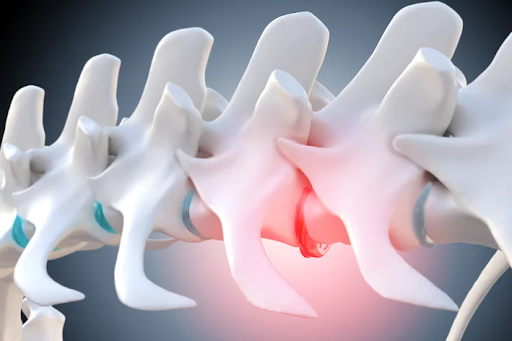
Has your pet started avoiding getting on the sofa or seems to be in pain when picked up? These signs may seem like simple behavioral changes, but they deserve immediate attention from owners. Intervertebral disc disease in dogs is a condition that affects the spine and can seriously compromise the animal's mobility and well-being.
With a progression that can be extremely rapid, intervertebral disc disease in dogs requires careful observation and prompt action. The sooner the problem is identified, the greater the chances of full recovery and maintaining quality of life. In this guide, we will explore how this condition works, the warning signs, and the crucial role of genetics in prevention.
What is intervertebral disc disease in dogs?
Intervertebral disc disease in dogs , often called IVDD or herniated disc , occurs when the discs between the vertebrae become worn, displaced, or ruptured. These discs act as natural shock absorbers, allowing the spine to move flexibly and absorb daily impacts.
When these shock absorbers fail, the disc's internal material can leak out, or the entire disc can protrude from the intervertebral space. This causes spinal cord compression in dogs , pressing on the spinal cord and adjacent nerves. The result is intense pain and neurological changes ranging from mild to catastrophic.
The condition can be classified into different types, depending on how the disc degenerates. In some cases, intervertebral disc disease in dogs arises acutely, like a disc rupture, while in others it occurs as a slow and progressive disc degeneration , common in older animals.
Warning signs: how to identify back pain in dogs?
Signs of intervertebral disc disease in dogs can appear gradually or suddenly, depending on the severity of the injury. Therefore, the owner should be attentive to any changes in the animal's movement routine. Canine spinal pain often manifests subtly before becoming an obvious crisis.
The main symptoms include:
Reluctance to jump on furniture or climb stairs;
Crying or whimpering when touched or moved;
Walking with a rounded back (kyphosis);
Frequent muscle tremors and stiffness in the neck or back;
Weakness in the hind legs or lack of coordination (ataxia).
In more advanced cases, the pet may exhibit paralysis in dogs , losing the ability to bear weight or even feel their paws. If you notice that your dog is dragging its nails or losing its balance, seek veterinary attention immediately. Additionally, understanding the lineage history can be helpful, especially if you know how long a Shih Tzu lives and what diseases are common to the breed.
What are the causes and risk factors?
Intervertebral disc disease in dogs doesn't have just one specific cause, but is usually the result of a combination of biological and environmental factors. The health of a pet's spine depends heavily on the integrity of these connective tissues over the years.
Genetic predisposition in dogs
Some breeds are classified as chondrodystrophic, meaning they possess a genetic trait that affects cartilage development. Dogs such as Dachshunds, Beagles, Basset Hounds, and Shih Tzus have a higher genetic risk. In these animals, the cartilage in the discs may begin to calcify prematurely, making them fragile. Knowing early on that your dog has a genetic risk is very important, as it allows for the modification of other modifiable risk factors.
Aging and being overweight
Over time, it's natural for tissues to lose elasticity. However, excess weight is one of the biggest culprits. Obesity overloads the vertebrae, accelerating canine disc herniation . Maintaining an ideal weight is therefore one of the most effective forms of protection.
High-impact movements
Repetitive jumping from high places, such as beds and sofas, or games involving sudden turns can act as triggers for a weakened disc to rupture. Environmental management is essential to minimize these spinal problems in dogs.
How is the diagnosis and treatment done?
Accurate diagnosis of intervertebral disc disease in dogs should be performed by a veterinarian, preferably one specializing in neurology. The process begins with a detailed clinical evaluation to test reflexes and pain sensitivity.
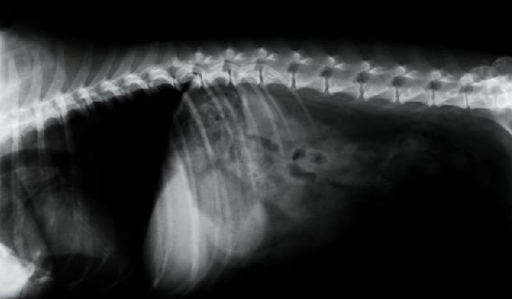
Advanced imaging tests, such as magnetic resonance imaging (MRI) or computed tomography (CT) scans, are the gold standard for identifying the exact location of the compression. Direct visualization of the spinal cord is crucial for differentiating IVDD from other neurological diseases.
As for treatment, it depends on the stage:
Conservative Treatment : Indicated for mild cases, it involves absolute rest in a restricted environment (confinement), use of analgesics and anti-inflammatories, in addition to physiotherapy and acupuncture sessions;
Surgical Treatment : Necessary when there is loss of motor function or intractable pain. The surgery aims to remove the disc material that is pressing on the spinal cord, restoring the necessary space for nerve circulation.

Prevention and the role of genetics
Although not all cases can be avoided, prevention is the best approach. Besides avoiding jumping and keeping weight under control, knowledge about your pet's ancestry offers a strategic advantage. Often, pet owners wonder how to determine their dog's breed precisely to understand what health risks they may have inherited.
Modern science allows us to identify genetic markers associated with various conditions. If you know your dog is predisposed to joint or spinal problems, you can start preventative physiotherapy and supplementation protocols long before the first symptoms appear. Is investing in preventative knowledge through petgenoma analysis worthwhile? Absolutely, because early information saves lives and avoids unnecessary suffering.
Remember also that diet influences overall health; for example, knowing whether a dog can eat mango helps maintain a balanced diet rich in nutrients that support the immune system and tissue regeneration.
Specialized care and science with petgenoma
Ensuring a long and healthy life for your best friend requires a perspective that goes beyond the obvious, combining science, technology, and lots of love. Intervertebral disc disease in dogs is a serious challenge, but with the right support and accurate genetic testing, it's possible to offer a much safer future for your pet. petgenoma is a pioneer in animal genetic mapping in Brazil, providing crucial data that assists veterinarians and pet owners in preventative medicine. Located at Av. Prof. Lineu Prestes, 2242 - Room 25 - Cidade Universitária, São Paulo SP , the company transforms animal care through innovation. To discover how genetics can protect those you love, follow the tips and news at @petgenomabr .
Essay
Petgenoma



