Genetic diseases in dogs: Main risks and characteristics
21/08/2025

Index
Introduction
Genetic diseases in dogs represent a challenge for owners and animal health professionals. These illnesses, caused by alterations in genetic material, can affect the animals' quality of life, causing anything from mild symptoms to severe and debilitating conditions.
Therefore, knowledge about these diseases is fundamental for prevention, early diagnosis, and appropriate treatment, contributing to the well-being of pets. So, continue reading and see what the main diseases in dogs are and how to prevent them!
What are genetic diseases in dogs?

Genetic diseases in dogs are inherited conditions that result from mutations or alterations in the animals' genes. These alterations can be passed from parents to offspring, affecting different systems of the body, such as the nervous, muscular, skeletal, and immune systems.
Some breeds have a greater predisposition to certain genetic diseases, which reinforces the importance of responsible selection and clinical monitoring.
Furthermore, these diseases can manifest at different stages of a dog's life, from puppyhood to adulthood, and vary in severity and prognosis. Therefore, early diagnosis, along with genetic testing and clinical evaluations, is essential to minimize the impact and improve the animal's quality of life.
Some genetic diseases in dogs and their characteristics.
Knowing the main genetic diseases in dogs is essential for identifying symptoms and seeking appropriate treatment. Below, we list some of the most common diseases, their risks, and specific characteristics.
Hip dysplasia

Hip dysplasia is one of the most common genetic diseases in dogs, especially in large and giant breeds such as Labrador Retrievers, Golden Retrievers, German Shepherds, and Shetland Sheepdogs. This condition affects the hip joint, causing malformation and cartilage wear.
The main symptoms include: lameness, difficulty standing, pain, and reduced mobility. Furthermore, dysplasia can lead to osteoarthritis, further compromising the animal's quality of life.
However, since it is a multifactorial disease, genetics is not the only factor influencing it, and there are still no tests on the market that can detect a genetic predisposition to this disease. Therefore, diagnosis is made through imaging tests, such as X-rays, and treatment can range from clinical management to surgery.
Progressive retinal atrophy
Progressive retinal atrophy (PRA) is a genetic disease that causes the cells in the retina to degenerate, leading to gradual vision loss. This condition is common in breeds such as Cocker Spaniels, Poodles, and Labrador Retrievers.
Initially, dogs may have difficulty seeing in low-light environments, but over time, total blindness can occur. Although there is no cure, early diagnosis allows for environmental adaptations to ensure the animal's safety.
von Willebrand disease
Von Willebrand disease is a genetic condition that affects blood clotting in dogs, similar to hemophilia in humans. Because of this, breeds such as Dobermans, Scottish Terriers, and Shetland Sheepdogs are more predisposed to this disease.
Dogs affected by this disease exhibit prolonged bleeding, even after minor cuts, as well as hematomas and bleeding from the mucous membranes. Therefore, diagnosis is made through specific laboratory tests, while treatment involves measures to prevent further trauma and, in severe cases, blood transfusions.
Hyperuricosuria (excess uric acid in the urine)
Hyperuricosuria is a genetic condition that causes excess uric acid in the urine, which can lead to the formation of urinary stones. It is more common in breeds such as Dalmatians, Bulldogs, and Black Russian Terriers, but it can also occur in other breeds.
Symptoms include difficulty or pain when urinating, blood in the urine, and, in severe cases, urinary obstruction. Therefore, diagnosis is made through urine tests, imaging studies, and genetic testing.
Although there is no cure, clinical management, dietary adjustments, and increased water intake help reduce stone formation and improve the quality of life for affected dogs.
Prevention and care of genetic diseases in dogs
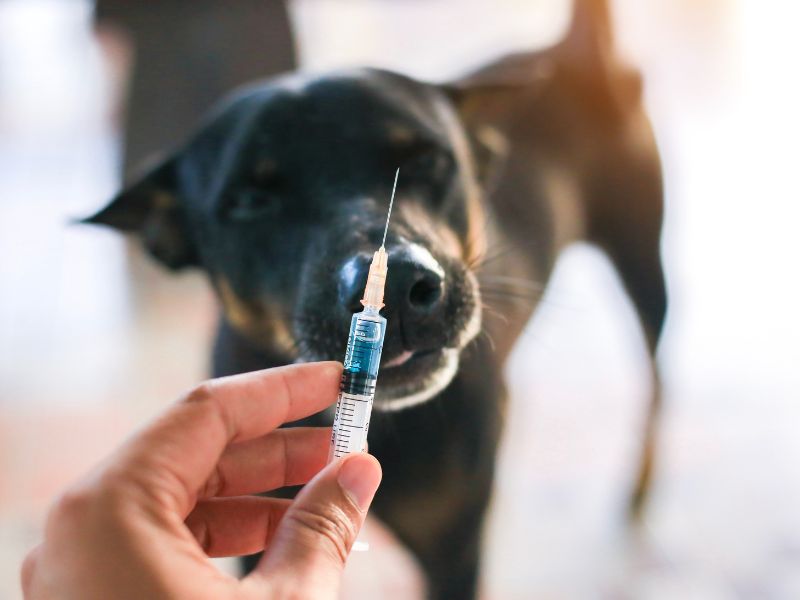
Preventing genetic diseases in dogs requires a careful and informed approach. One of the most effective strategies for this is conducting genetic mapping tests.
Specialized companies, such as Petgenoma, offer tests that identify mutations and genetic predispositions for more than 300 diseases in dogs, allowing for early diagnosis and more informed decisions in raising and caring for the animals.
Furthermore, these pre-reproductive genetic tests help identify carriers of genetic diseases in dogs, preventing the transmission of these conditions to future generations. In this way, breeders can plan safe and responsible breeding, reducing the risks of hereditary diseases.
It is also essential to maintain regular veterinary follow-up, with clinical evaluations and complementary exams that, combined with the results of genetic mapping, allow for continuous monitoring of the animal's health.
Additionally, providing a balanced diet, promoting adequate physical exercise, and ensuring a safe environment are measures that complement prevention and contribute to the overall well-being of the dog.
Meet Petgenoma: Your partner in genetic testing for pets.
If you are looking for a reliable and innovative solution to discover your dog's breed, Petgenoma is the ideal company for you.

Specializing in pet genetics, petgenoma offers highly accurate tests, focusing on preventative medicine, breed identification, and disease predisposition. With our own laboratory and national database, we guarantee results with 98% accuracy using Illumina technology.
The process is simple: the pet owner collects the sample at home using a buccal swab, sends it to the lab, and receives the results within 15 business days, with full support throughout all stages.
The company offers different kits, geared towards dogs and cats. With the Breed Identification Kit , you have access to the pet's origin, confirmation of parentage, consanguinity, and physical characteristics.
Want more? Then you might be interested in the Premium Kit , which offers breed assessment, but also analyzes more than 300 diseases. There's also the Premium Clinical Kit , which provides all of that, plus analyzes the pet's oncological and obesity risks.
Therefore, if you want to get to know your pet deeply and ensure a healthier life for them, count on petgenoma. Check out our products , make your purchase on the website, or send a message on WhatsApp . Discover how genetics can transform your relationship with your furry friend!
Do you own a veterinary clinic, pet shop, or breeding facility and are interested in our product? Then learn more about our partnerships and stand out in the animal care field!
Conclusion
Genetic diseases in dogs represent a challenge that requires ongoing attention and care. Among the precautions are knowledge about the main diseases, their risks, and characteristics. This allows owners to act preventively and seek appropriate treatment when necessary.
Furthermore, investing in preventative healthcare is recommended, including genetic testing and regular veterinary check-ups. These measures are essential to ensure the well-being of dogs and provide them with a happier and healthier life.
Essay
Petgenoma



