Genetics and training: how can knowledge of a dog's genetics help in personalized training?
30/04/2024
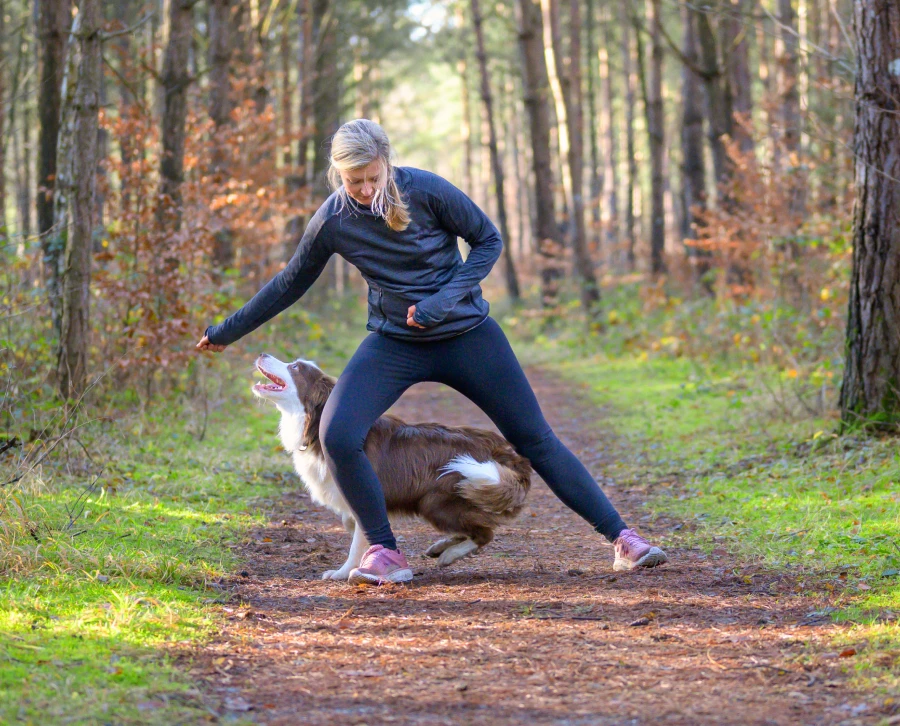
Some types of visual and auditory impairment occur in adulthood, or even after 8 years of age in dogs. Examples include "adult-onset deafness" in Border Collies, and various types of "progressive retinal atrophy" that occur significantly in breeds such as the English Cocker Spaniel, Labrador Retriever, and Yorkshire Terrier. These atrophies are caused by different genetic variants, but what they all have in common is that vision loss begins in adulthood, just like deafness in Border Collies.
These sensory deficiencies do not cause physical suffering for dogs, such as pain or other clinical signs. However, the impact of these problems on their well-being and quality of life is undeniable, especially due to the age at which they begin: when sensory loss starts, these dogs are already accustomed to using their senses, and their daily lives can be significantly affected.
In this sense, performing a genetic test while the dog is still a puppy has the advantage of predicting future risks throughout its life. A genetic report may indicate an increased risk of deafness or some type of retinal atrophy. Although this information never indicates a diagnosis at the time the test is performed, it is valuable in demonstrating the likelihood of the dog losing its hearing or vision in adulthood or old age.
With this information, the responsible owner has the possibility of investing in personalized training for this puppy. A dog that learns not to rely so much on sight when young, and to prioritize its other senses, will have a much lesser impact when vision loss begins. Similarly, a puppy that learns sign language, when it becomes hearing impaired, will be able to maintain quality communication with its owner. Thus, combining genetic testing information with personalized training is an act of love.
Fabiana Michelsen de Andrade
Geneticist specializing in small animals.
Biologist, Master's and PhD from UFRGS.
Postdoctoral studies in Cellular and Molecular Biology (United Kingdom) and in Animal Genetic Improvement (UFRGS)
Founding partner and scientific director of petgenoma



