Giardia in dogs: A complete guide to symptoms, prevention, and care.
04/03/2026

Have you noticed that your pet has frequent episodes of diarrhea or seems to lack the energy to play? Many pet owners face the challenge of dealing with giardia in dogs , an intestinal infection caused by a microscopic protozoan called Giardia lamblia. Although it is a common problem in veterinary clinics, it requires extra attention due to its ease of transmission and resistance in the environment.
Understanding how this parasite acts is the first step in ensuring the longevity and well-being of your best friend. Often, the signs are mistaken for simple food poisoning, but the persistence of the condition can seriously compromise digestive health and nutrient absorption.
In this comprehensive guide, we'll explore everything from warning signs to best hygiene and prevention practices. After all, caring for those we love involves quality information and consistent preventative action.
What is giardia in dogs and how does it act?
Giardia in dogs is not a worm, but rather a protozoan that lodges in the small intestine of dogs. The biological cycle of this organism consists of two forms: trophozoites, which live in the intestine, and Giardia cysts , which are the infective form eliminated in the feces. These cysts are extremely resistant and can survive for months in humid and cold environments.
When a dog ingests these cysts—whether through contaminated water, food, or the habit of licking the ground—the parasite "excysts" in the stomach and begins to colonize the intestinal wall. This colonization directly interferes with the digestion of fats and carbohydrates, which explains the changes in feces and progressive weight loss.
Unlike other parasites, canine giardiasis has a high potential for contagion . Because the cysts are shed intermittently, a single stool sample can produce a false negative result, making clinical diagnosis and observation by the owner fundamental to the successful treatment of giardia .
Main symptoms of giardia in dogs
Early identification of giardia symptoms is essential to prevent dehydration and weakening of the animal. Not all dogs show clear signs immediately, but the main indications include:
Persistent or intermittent diarrhea, often with a greasy appearance and a very strong odor;
Presence of mucus or, in more severe cases, blood in the stool;
Sporadic vomiting and nausea;
Loss of appetite and weight loss without apparent cause;
Abdominal pain and excessive gas;
Dull, lifeless coat due to poor vitamin absorption.
It's important to note that in puppies or dogs with compromised immune systems, giardia can develop rapidly. If you notice any changes in behavior or stool consistency, you should consult a veterinarian immediately for proper giardia treatment .
Furthermore, dogs with a higher degree of inbreeding tend to have weaker immunity, which can worsen infections such as giardiasis. This effect of inbreeding is well explained in a Pet Genome article about inbreeding and DNA testing.
Early identification of giardia symptoms is essential to prevent dehydration and weakening of the animal. Not all dogs show clear signs immediately, but the main indications include:
Persistent or intermittent diarrhea, often with a greasy appearance and a very strong odor;
Presence of mucus or, in more severe cases, blood in the stool;
Sporadic vomiting and nausea;
Loss of appetite and weight loss without apparent cause;
Abdominal pain and excessive gas;
Dull, lifeless coat due to poor vitamin absorption.
It is important to note that in puppies or dogs with compromised immune systems, giardia can progress rapidly. If you notice any changes in behavior or stool consistency, you should consult a veterinarian immediately for appropriate treatment.
Furthermore, dogs with a high degree of inbreeding tend to have deficiencies in their immune response , which can worsen infections such as giardiasis and make recovery more difficult. Excessive inbreeding increases the likelihood of health problems, including weakened immunity, making veterinary monitoring and genetic evaluation of the animal even more important to prevent long-term health complications.
Gut health is directly linked to overall immunity. In some cases, chronic digestive problems can be confused with other conditions, such as canine worms , which also require specific deworming protocols.
How does contagion occur and what are the risks of zoonosis?
Giardia infection in dogs occurs primarily through the fecal-oral route. This means the pet comes into contact with contaminated feces from other animals or drinks water from shared places, such as parks and squares. Even the animal's paws can carry the cysts into the house after a walk.
A crucial point that every pet owner needs to know is that giardia is a zoonotic disease . That is, it can be transmitted from animals to humans. Although the strains that infect dogs are not always the same as those that infect humans, the risk exists, especially for children, the elderly, and immunocompromised individuals who have close contact with an infected animal.
Washing your hands after playing with your pet or picking up after them is a non-negotiable safety measure. In addition, keeping the environment clean with specific products, such as quaternary ammonium compounds, helps eliminate cysts that are resistant to common disinfectants.
Diagnosis and treatment of giardia
To confirm the presence of the protozoan, the veterinarian usually requests a coproparasitological examination. Since cyst elimination does not occur in every bowel movement, it is common to request stool samples from three alternate days to increase the test's accuracy.
Treatment for giardia involves the use of specific medications, such as antibiotics and antiprotozoal drugs, prescribed according to the pet's weight and age. In addition to medication, nutritional support is vital for the recovery of the intestinal mucosa. In some cases, the use of probiotics helps to restore the beneficial flora.
During treatment, bathing on the first and last day of medication is recommended to remove any cysts that may be attached to the fur in the perianal region, preventing reinfection. If the animal already has other health conditions, such as canine obesity , clinical management should be even more careful to avoid overloading the organism.
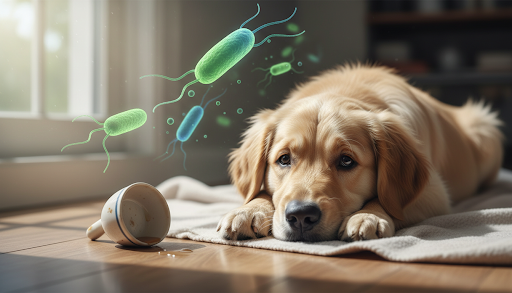
Prevention strategies and environmental care
Prevention is undoubtedly the best remedy against giardia in dogs . Since the cysts are invisible to the naked eye, the care routine must be rigorous and consistent. Here are some practical measures:
Always provide clean water: Offer only filtered or boiled water, changing the bowl several times a day.
Environmental hygiene: Wash the areas where the pet circulates with boiling water or disinfectants based on quaternary ammonium compounds.
Safe walks: Prevent your dog from drinking water from puddles on the street or coming into contact with the feces of unknown animals.
Regular check-ups: Keep up with your routine exams to detect any parasites before they cause more serious damage.
In addition to these precautions, it is essential to be aware of other infectious diseases that can weaken the immune system, such as parvovirus , which also causes severe gastrointestinal symptoms. According to studies on intestinal protozoa , the combination of rigorous hygiene and immunization is the most effective form of control in animal communities.
Related articles you might like:
Conclusion: Protect those you love with petgenoma.
Your pet's health begins with a deep understanding of their needs and vulnerabilities. Giardia in dogs is a real challenge, but with prevention and careful observation, it's perfectly possible to keep your companion safe. Genetics also plays a crucial role in how each animal responds to infections and metabolic challenges throughout life. Understanding your friend's DNA helps personalize care, ensuring a better quality of life and longevity for the one who is always by your side.
petgenoma is a leader in animal biotechnology, offering genetic tests that reveal valuable information about health, ancestry, and well-being. Located at Avenida Professor Lineu Prestes, 2242, São Paulo SP , our team is ready to help you unlock the code of love for your pet. Follow our news and exclusive tips on @petgenomabr and discover how science can further strengthen the bond between you and your best friend.
Essay
Petgenoma



