Understand how herniated discs in dogs play a role in genetics.
06/01/2025
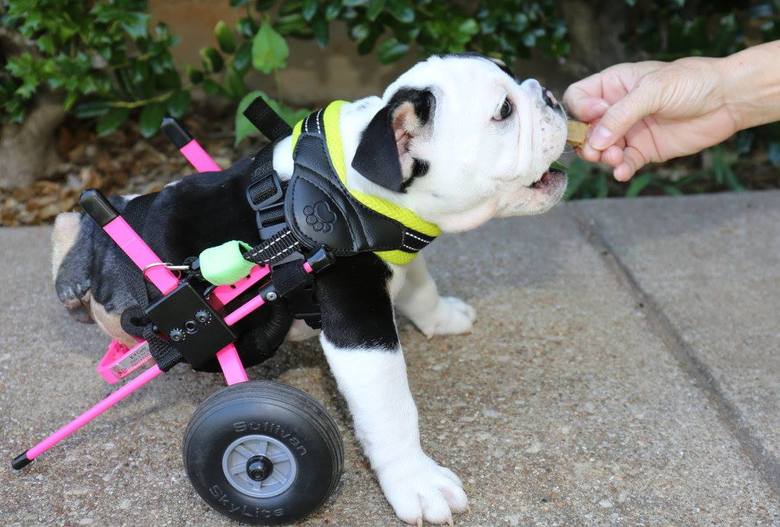
Intervertebral disc disease (IVDD) is the most common cause of spinal pain in dogs, especially in certain breeds. Dogs with this problem have one or more calcified intervertebral discs, which increases the chance of them rupturing and compressing the spinal cord; for this reason, this condition is popularly known as a herniated disc. When this compression occurs, the dog may exhibit several different clinical signs, which will vary according to the intensity of the compression and its location in the spine, ranging from only moderate pain to loss of movement in the legs. The most common clinical signs are pain upon palpation of the spine, imbalance, inability to walk or walking with some difficulty, weakness in the legs, altered spinal reflex response, urinary dysfunction, and/or fecal dysfunction. Throughout the spine, the thoracic and lumbar regions are the most affected by the problem.
This is a multifactorial disease, meaning that environmental factors are also related to the problem, in addition to genetic predisposition. Among the environmental factors are going up and down stairs, jumping from high places for the dog, such as sofas and beds, living in places with slippery floors, use of inappropriate collars and/or choke collars, etc. However, these issues will not have the same impact on all dogs, but will be more important in animals with a genetic predisposition, which makes knowing the dog's genetics important to assess the importance and need for environmental care.
Dachshunds – also known as Teckels, Sausage Dogs, etc. – have a 10 to 12 times higher risk of developing the disease than other breeds, and approximately 19 to 24% of them show signs of the pathology during their lifetime. Studies of the genetics of this breed have revealed some of the variations responsible for the predisposition to the disease, the main one being present in the FGF4 gene. After its discovery, it was detected that this variation occurs in several other breeds that also have a predisposition to the disease, so that the presence of variants in the gene is indicative of a risk for herniated discs in breeds such as Beagles, Cavalier King Charles Spaniels, Chihuahuas, English Bulldogs, French Bulldogs, Pekingese, Poodles, Shih Tzus, Corgis, Lhasa Apsos, Miniature Pinschers, among others.
petgenoma performs the FGF4 gene test, detecting whether the dog has one or two copies of the variant. If two copies are present, the risk is even higher, indicating that greater care is needed for this dog, which can prevent the dog from developing the disease. Learn more about this test here.
Camila França
Veterinary Doctor
Doctor specializing in Neurology
Professor at PUC/GO



