Hyperlipidemia in dogs: symptoms, risks, and how to protect your pet.
07/04/2026
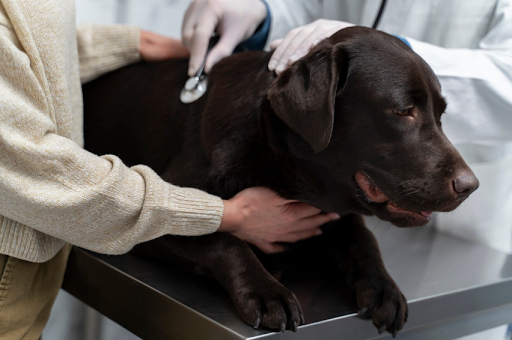
Have you ever stopped to think that, just like us, animals can also suffer from excess fat in their blood? Hyperlipidemia in dogs is a metabolic condition that, although often silent, can hide serious risks to the health and longevity of your best friend. When lipid levels rise uncontrollably, the animal's body begins to show signs that something is wrong.
Many pet owners believe that weight gain is the only indicator of fat problems, but the reality is more complex. Hyperlipidemia in dogs involves internal chemical processes that affect vital organs such as the pancreas and liver. Understanding this condition is the first step in ensuring your pet lives a full and healthy life for much longer.
In this article, we will explore the causes, symptoms, and best ways to prevent this metabolic disorder. Furthermore, you will discover how science and preventative care can transform your dog's routine, avoiding complications that could be prevented with quality information.
What is hyperlipidemia in dogs and why does it occur?
Hyperlipidemia in dogs is characterized by an abnormal increase in fats (lipids) in the bloodstream, specifically cholesterol and triglycerides . Under normal conditions, these substances are essential for energy supply and hormone production. However, when this balance is disrupted, the blood may appear milky after meals, indicating that the body is not processing fats as it should.
There are two main types of this condition: primary and secondary. The primary form is usually genetic in origin, being more common in certain lineages. The secondary form, on the other hand, is triggered by other factors, such as endocrine diseases (diabetes or hypothyroidism), obesity, or an inadequate diet. Regardless of the origin, early diagnosis is essential to prevent the condition from progressing to more serious diseases, such as other metabolic disorders or systemic inflammation.
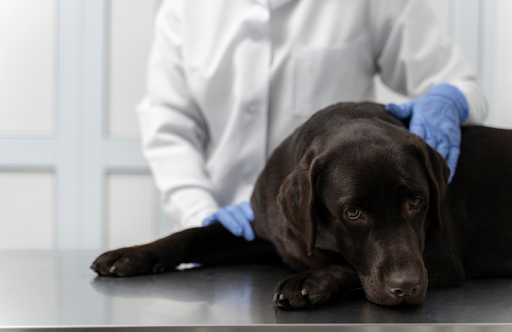
Symptoms of hyperlipidemia in dogs: the signs you should watch for
One of the biggest challenges of hyperlipidemia in dogs is that it can be asymptomatic in its early stages. However, as fat levels remain elevated, the pet may begin to show clinical signs that should not be ignored. Close observation by the owner is the primary tool for care.
Pay attention to the following signs:
Persistent vomiting and diarrhea;
Acute abdominal pain (the dog may assume a "prayer position");
Lethargy and lack of interest in playing;
Eye changes, such as whitish spots in the eyes;
Appearance of small bumps on the skin (xanthomas).
In more severe cases, excess triglycerides can lead to pancreatitis , an extremely painful and dangerous inflammation. Furthermore, cardiovascular health can be affected; although dogs rarely suffer from atherosclerosis like humans, other conditions such as dilated cardiomyopathy may require extra attention in pets with metabolic imbalances.
Main causes and risk factors
The origin of hyperlipidemia in dogs is multifactorial. Diet is undoubtedly one of the central pillars. Diets rich in saturated fats, leftover human food, and excessive treats overload the metabolism. However, we cannot ignore the secondary causes that "hide" the problem.
Diseases such as hyperadrenocorticism (Cushing's syndrome) and diabetes mellitus alter how the body mobilizes fats. When metabolism is compromised by these pathologies, hyperlipidemia in dogs arises as a direct consequence. Furthermore, prolonged use of certain medications, such as corticosteroids, can also raise blood lipid levels.
It's important to remember that a pet's overall health is an interconnected ecosystem. Just as we protect our dogs from viruses like distemper or parvovirus , we must monitor their internal metabolism to prevent metabolic failures.
The influence of genetics on metabolic health.
Did you know that your dog's breed can influence its predisposition to hyperlipidemia ? Veterinary studies indicate that breeds such as the Miniature Schnauzer, Beagle, and Shetland Sheepdog have a greater tendency to present elevated triglyceride levels due to hereditary factors.
Understanding your pet's genetic makeup helps predict risks and adopt a much more effective preventative medicine approach. For example, knowing how long a Shih Tzu lives and what diseases are common to the breed allows the owner to adjust the diet and frequency of checkups early on. Genetics is not destiny, but a map that guides us to offer the best possible nutritional and medical support.

Diagnosis and Treatment: The Road to Recovery
Diagnosis of hyperlipidemia in dogs is made through a simple blood test, but one that requires strict fasting for 12 to 14 hours. The veterinarian will analyze the concentrations of cholesterol , triglycerides, and total lipids. If the levels are high even after fasting, the condition is confirmed, and the investigation of secondary causes begins.
Treatment focuses on two pillars: dietary management and control of underlying diseases.
Dietary change : Introduction of foods low in fat and high in fiber;
Physical exercise : Increasing calorie expenditure helps metabolize circulating fats;
Supplementation : The use of Omega-3 may be recommended by specialists to help reduce triglycerides;
Medication : In severe or genetic cases, specific cholesterol-lowering medications may be necessary.
Monitoring your pet's progress with regular checkups ensures that treatment is effective and prevents relapses that could compromise the animal's health .
Prevention: How to ensure a long and healthy life.
Preventing hyperlipidemia in dogs is much simpler and cheaper than treating its complications. A balanced diet, free of excessive fats and adapted to the dog's age and activity level, is the foundation. Avoid offering fried foods, fatty cheeses, or meats with a layer of fat to your pet.
In addition to nutrition, an annual check-up is essential. Often, we discover changes in the blood even before any physical symptoms appear. Investing in knowledge about animal DNA and the particularities of your dog offers an extra layer of protection.
Check out some articles that can help you take better care of your pet's routine:
Maintaining an ideal weight and an active exercise routine are the best tools to prevent hyperlipidemia in dogs from becoming a problem in your companion's life. Strict dietary management can control most cases of secondary hyperlipidemia, restoring the animal's vitality.
Caring with science and affection: get to know the petgenoma.
Caring for your pet's health goes beyond treating symptoms — it's about deeply understanding their needs and acting preventively. petgenoma combines technology and science to offer information that helps pet owners make safer decisions. Located at Av. Prof. Lineu Prestes, 2242 - Room 25 - Cidade Universitária, São Paulo SP , the company works with innovative solutions focused on animal welfare. To follow educational content and news, follow them on Instagram @petgenomabr .
Essay
Petgenoma



