Not having your dog's genetics tested could shorten its life!
30/01/2025
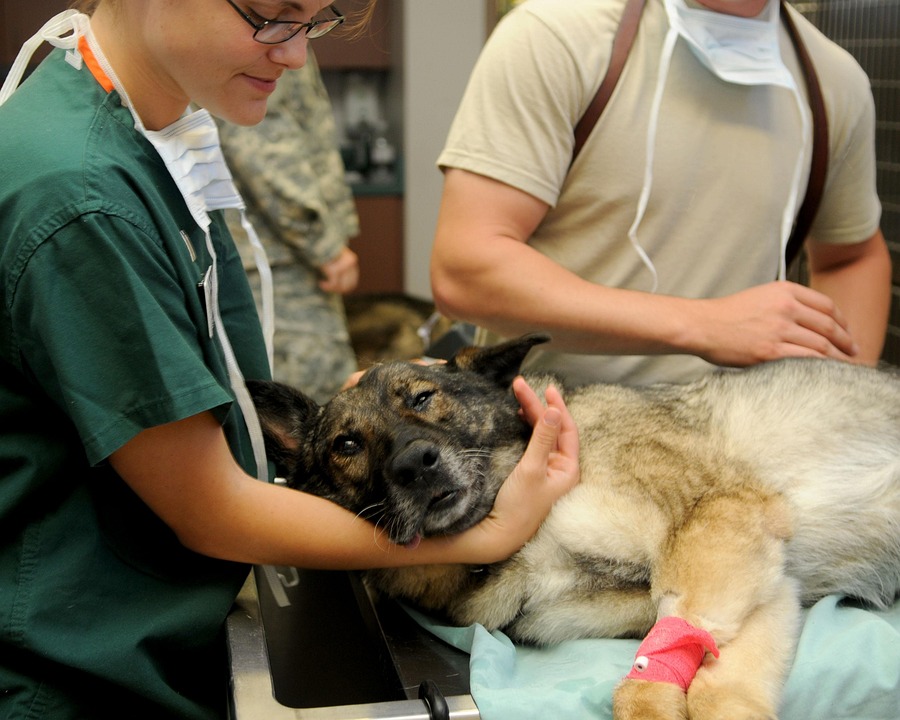
If you want your dog to live longer and better, this text is for you! Did you know that genetic testing can be a powerful tool to give your pet a longer and happier life? There are many examples of conditions that, when detected, demonstrate the need for management that will improve the quality of life and even save your pet's life!
Among the information that genetic testing can provide are risks for various diseases related to elements of the dog's diet . These include dilated cardiomyopathy, cystinuria, and hyperuricosuria, for example. These diseases usually manifest from the age of 3, or even later. The veterinarian usually begins the investigation only when the animal starts to show clinical signs and, after diagnosis, indicates the use of specific diets, in addition to starting the use of different medications for each case. However, if the risk is known from puppyhood, the veterinarian will be attentive to the first signs that will appear in tests that, incidentally, should already be started even before the disease manifests. The introduction of a specific diet can occur as soon as the risk is discovered and will greatly help with cardiac and renal health. This set of actions will delay the onset of the disease, bringing more years of quality of life for the pet.
Furthermore, various other pieces of information from genetic testing can save your pet's life during emergency or even planned surgery . Coagulation problems, for example, which are not usually identified by common tests, can be a major problem for the medical team, as the pet will take much longer to stop bleeding. In some cases, the pet may even die during surgery, especially in more complex procedures. By knowing the dog's genetic condition beforehand, the medical team can make several decisions to ensure the surgery is performed safely.
Another example of a problem that will only be detected during surgery , and for which there are no tests that can be done other than genetic testing, is malignant hyperthermia. Dogs with this genetic condition cannot under any circumstances receive the medications most commonly used during inhalation anesthesia, as they have such a strong reaction to these products that they end up dying.
Lastly, but no less importantly, multidrug intolerance (or resistance) is a very common genetic condition in some breeds, rarer in most breeds, and also occurs in mixed-breed dogs. Only a genetic test can detect this problem . Intolerant dogs cannot use (at any dose) certain anti-parasitic, diarrhea, and vomiting/nausea medications, and require (adjusted doses) and monitoring while using more than 20 medications. Ignorance of this condition, and the consequent standard use of medications, can lead to serious side effects, even death.
Our PREMIUM test can detect all these conditions and much more! Click here if you want to extend your pet's life!
Fabiana Michelsen de Andrade
Geneticist specializing in small animals.
Biologist, Master's and PhD from UFRGS.
Postdoctoral studies in Cellular and Molecular Biology (United Kingdom) and in Animal Genetic Improvement (UFRGS)
Founding partner and scientific director of petgenoma



