Ragdoll genetic predisposition: what every owner needs to know.
08/06/2026
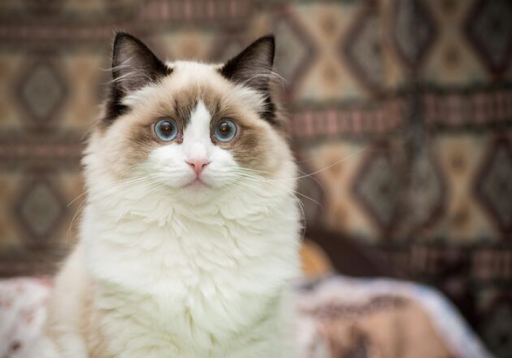
Having a Ragdoll at home means living with one of the most docile and charming felines in the world. Known for their relaxed nature—earning them the name "rag doll"—these cats win over anyone with their deep blue eyes and abundant fur. However, behind so much beauty and gentleness, there is a genetic makeup that requires special attention from owners seeking the best for their cat's health.
Understanding feline genetics isn't just about lineage curiosity. It's a powerful tool for preventative medicine. By knowing the breed's hereditary risks, you can act before symptoms appear, ensuring your companion lives a high-quality life for many years. In this guide, we'll explore the main conditions that can affect these cats and how science can be your greatest ally.
The charm and unique characteristics of the Ragdoll breed.
The Ragdoll is a relatively young breed, but it has quickly become a global favorite. Its main characteristic is hypotonia when handled, meaning it relaxes completely in its owner's lap. In addition to its temperament, its large size and pointed coat (darker extremities) define the visual standard of these animals.
Many times, pet owners wonder how to know the breed of their cat when they rescue an animal with similar characteristics. In the case of cats of this breed, confirmation goes beyond aesthetics, involving specific genetic markers that dictate not only the color of the fur, but also the predisposition to certain pathologies. Knowing these nuances helps to differentiate a purebred animal from a mixed breed, which directly impacts the care protocol.
Key health conditions and feline genetics
Although they are generally robust cats, historical inbreeding in some Ragdoll lines has favored the appearance of certain hereditary diseases. Disease prevention begins with knowledge of what may be "hidden" in your pet's DNA. Below, we detail the most frequent conditions that every owner should monitor.
Hypertrophic cardiomyopathy (feline HCM)
Feline HCM is undoubtedly the biggest genetic concern for Ragdoll owners. This condition causes thickening of the heart walls, making it difficult to pump blood. The great danger of cardiomyopathy is that it is usually silent in its early stages, and can lead to serious complications such as heart failure or thromboembolism.
Scientific studies, such as those published by the Cornell Feline Health Center, indicate that there is a specific mutation in the MYBPC3 gene that affects cats of this breed. Identifying this mutation early is vital to begin cardiological monitoring before the heart suffers irreversible damage.
Polycystic Kidney Disease (PKD in cats)
PKD in cats is another hereditary condition that can affect the breed, although it is more common in Persians. It is characterized by the formation of cysts in the kidneys that grow over time, replacing healthy kidney tissue and leading to chronic kidney failure. As the cat ages , these cysts can become a critical problem if proper dietary and clinical management is not implemented early on.
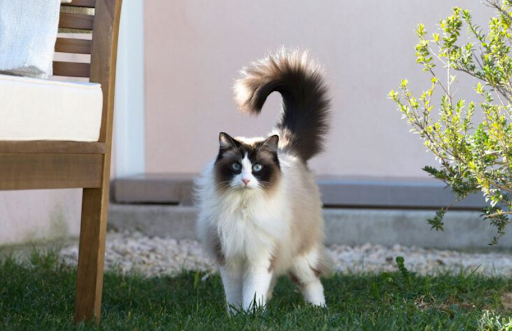
The importance of genetic testing for pets in preventive medicine.
In the past, pet owners waited for their pet to show signs of pain or discomfort before seeking veterinary care. Today, technology allows us to reverse this logic. Genetic testing for pets is emerging as a treasure map to their health. By performing a DNA analysis, you can discover if your cat carries genes for diseases such as HCM or PKD, even if it seems perfectly healthy today.
There are several reasons to perform genetic testing on cats , and predictability is the main one. With the results in hand, the veterinarian can create a personalized life plan, preventing, for example, the animal from becoming an obese cat , which would overload a heart or kidneys already predisposed to failure.
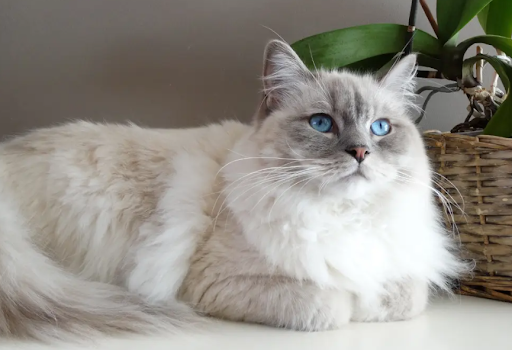
How to ensure feline longevity and animal welfare.
Besides genetics, the environment and daily management are cornerstones of animal welfare . For a Ragdoll , some care is essential:
Regular check-ups: Biannual consultations focusing on cardiology and kidney function;
Enhanced hydration: Cats have low thirst rates; using water fountains and wet food helps protect their kidneys.
Protection against infections: Keeping vaccinations up to date and preventing diseases like FIV in cats is essential to avoid overloading the immune system;
Hygiene and skin: Although not common, pet owners should be aware of skin problems, such as mange in cats or sporotrichosis in cats , which can affect the animal's comfort.
Feline longevity is the result of a combination of good genetics and an environment that respects the species' needs. When you combine the science of pet DNA analysis with daily affection, the chances of having your friend by your side for many, many years increase dramatically.

Preventive care of the petgenoma
Understanding your cat's specific needs is the greatest act of love you can offer, transforming science into a tool for daily protection. petgenoma offers the most advanced genetic tests on the market so you can learn every detail about your companion's health and ancestry, helping to prevent problems before they even arise. Our team is ready to assist you at Av. Prof. Lineu Prestes, 2242 - Room 25 - Cidade Universitária, São Paulo SP , bringing cutting-edge technology to the well-being of your four-legged friend. Follow our news and health tips at @petgenomabr and discover how genetics can change your pet's life.
Essay
Petgenoma



