Dry Eye Syndrome
30/04/2024
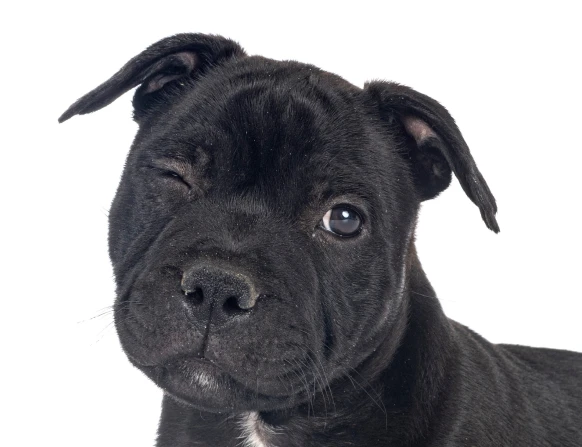
Dry Eye Syndrome is a recessive disease characterized by the combination of two pathological processes: keratoconjunctivitis sicca and ichthyosiform dermatosis. Keratoconjunctivitis sicca is a reduction in tear production that leads to dryness of the eye surface. Ichthyosiform dermatosis results in a rougher, curly coat, with possible hair loss, and the epidermis is dry and can easily flake.
Generally, dogs with Dry Eye Syndrome tend to show clinical signs around 3 to 7 months of age, with redness around the eyes, unilateral or bilateral ocular discharge, scaling of the skin around the eyes, and may develop corneal ulcers due to lack of ocular lubrication, thus predisposing them to secondary bacterial infections.
Dry Eye Syndrome can be diagnosed through evaluation by a veterinary ophthalmologist and eye exams, and genetic testing greatly contributes to the diagnosis. However, the only way to prevent it is through proper breeding pairs, based on the results of genetic testing, which will prevent the birth of dogs that develop the disease.
Proper treatment depends on accurate diagnosis and currently consists of using lubricating eye drops several times a day to prevent the eye from drying out and the dog from developing a deeper corneal ulcer, which could lead to a secondary bacterial infection. If an infection develops, supportive treatment is necessary according to the severity of the case.
Roberta Costa
Veterinary Doctor
Consultant at Petgenoma



