Do you know what consanguinity is and why it's important for your pet?
06/02/2025
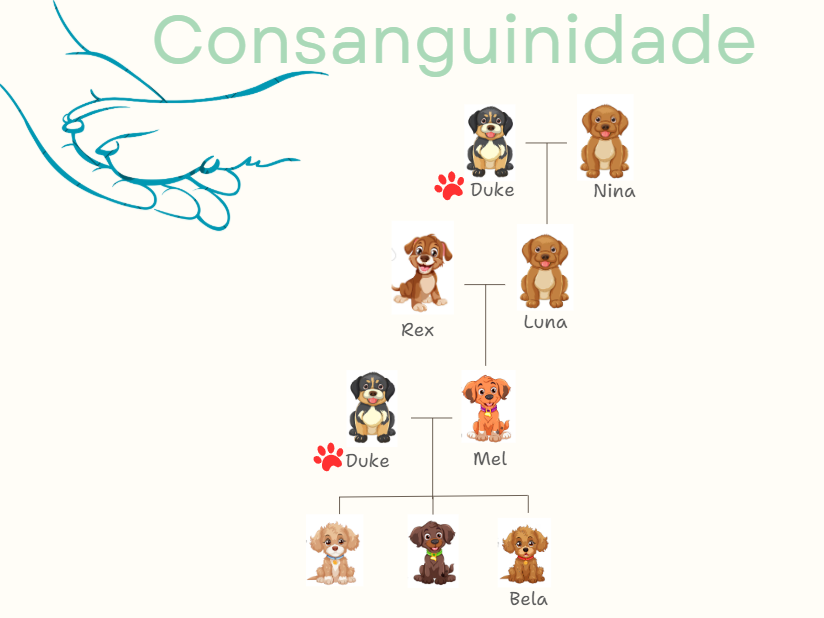
Inbreeding is a widely discussed topic in the world of dog breeding, but it still generates many questions among owners and breeders. In simple terms, it occurs when two related individuals are mated, increasing the likelihood that their offspring will inherit identical stretches of DNA from a common ancestor. This phenomenon can have both positive and negative consequences, depending on how it is managed.
Historically, inbreeding has been used in the creation and selection of purebreds. Breeders employ it to fix desirable characteristics, such as specific coat patterns, temperament, or abilities like herding or guarding aptitude. However, one of the main problems with this practice is the increased likelihood of expression of harmful recessive genes. This can result in a greater propensity for genetic diseases, cancer, and a higher chance of reproductive problems (such as fewer puppies per litter) and immunological issues.
Consanguinity can be assessed in two main ways: through genealogy (pedigree), or through genetic testing, which determines what is called " genomic consanguinity." Pedigree analysis is usually based on 3 to 5 known generations, while genetic testing allows for a more precise assessment of genomic consanguinity, identifying identical stretches of DNA inherited from both parents. The major advantage of genomic consanguinity is that it also allows us to estimate when these consanguineous events occurred, that is, whether they were recent or whether there was older consanguinity linked to the formation of the breed.
This information is essential to understanding whether the level of inbreeding is harmful. This is because the greater the recent inbreeding, the larger the identical stretches of DNA, increasing the chances of expression of deleterious genes. As generations pass, these long segments are broken down by genetic recombination, reducing the size of these identical regions and increasing genetic diversity.
In practice, responsible breeding programs seek to maintain a balance, avoiding matings that excessively increase inbreeding levels and promoting greater genetic diversity in the population. Using genetic testing, it is possible to predict the degree of inbreeding in a future litter even before mating, making the process safer and more informed. Breeders who use this approach contribute directly to the health and longevity of the dogs.
For pet owners, understanding inbreeding is fundamental when choosing a healthy puppy. Asking about genetic lineage and requesting health exams are actions that can help prevent future complications. And even for those who adopt mixed-breed dogs, inbreeding can also be relevant. It is often assumed that mixed-breed dogs have low inbreeding, but this is not always true. Genetic testing can reveal valuable information about their genetic history and health, allowing for preventative management in cases of dogs with increased health risks.
Finally, reflecting on inbreeding goes beyond genetics; it's also about ensuring animal welfare. Avoiding high rates of inbreeding and prioritizing the health and quality of life of dogs should be the main objective of any responsible breeding or adoption program. After all, a healthy pet is a happier pet and will bring even more joy to its family.
If you want to know more about your dog's genetics, petgenoma can help! With information and prevention, we can ensure a healthier future for our loyal companions.
Darilene Ursula Tyska
Geneticist and bioinformatician.
PhD in Genetics and Animal Breeding | UFRGS
Master's Degree in Animal Production | UFPel
Animal Scientist | UFPel



