Can dogs eat oranges? Discover the benefits and essential precautions.
02/06/2026
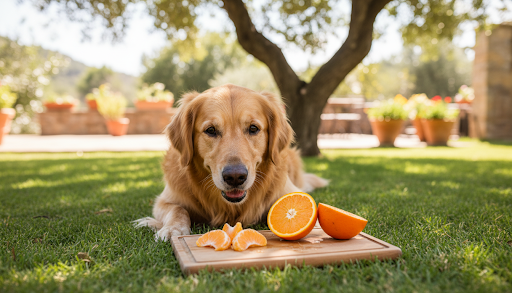
Many pet owners, when seeking a more natural and nutrient-rich diet for their four-legged companions, end up facing a common question: can dogs eat oranges? Citrus fruits often generate uncertainty due to their acidity, but the short answer is yes, as long as they are offered in moderation and following specific safety guidelines.
The search for healthy treats is an excellent way to strengthen the bond between owner and pet. However, dogs' digestive systems work differently from ours, which requires extra attention when introducing new foods into their diet. Just as we wonder if dogs can eat mango , oranges also have their own particularities that can benefit or harm the pet's health.
In this comprehensive guide, we'll explore the nutritional properties of this fruit, the potential risks, and the correct way to serve this citrus fruit to ensure your friend gets only the best from it.
The nutritional benefits of oranges for dogs
Oranges are known worldwide as a rich source of Vitamin C, a powerful antioxidant that helps strengthen the immune system. Although dogs can synthesize their own Vitamin C in the liver—unlike humans—supplementation through diet can be beneficial in situations of stress or intense physical activity.
In addition to Vitamin C, the fruit offers:
Fiber: Helps with intestinal transit and promotes satiety;
Potassium: An essential mineral for the proper functioning of muscles and the heart;
Flavonoids: Compounds that help fight free radicals in your pet's body.
Understanding whether a dog can eat oranges involves recognizing that these nutrients contribute to a longer life. A strengthened immune system is the first barrier against serious diseases, such as distemper and parvovirus , which require constant preventive care.

Risks and precautions when offering citrus fruits.
Although safe, oranges should not be offered without careful consideration. The main point of attention is acidity. The citric acid present in the fruit can cause stomach discomfort, vomiting, or diarrhea in pets with more sensitive stomachs. Therefore, the introduction should be gradual and always closely monitored by the owner.
Another crucial factor is the fruit's natural sugar content (fructose). Obese or diabetic dogs should avoid consuming oranges, as the sugar can unbalance blood glucose levels. If you are unsure about the ideal diet, understanding your pet's genetic profile can help. Many owners question whether petgenoma is worthwhile, precisely to obtain personalized answers about their dog's health and predispositions.
According to experts from the American Kennel Club (AKC) , oranges should represent only a small fraction of an animal's daily calories, serving only as an occasional treat.
How to safely offer oranges to your pet.
To ensure your dog can eat oranges without problems, preparation is the most important step. Follow these steps for a safe treat:
Peel completely: Orange peel is difficult to digest and contains essential oils that can be toxic or irritating to a dog's digestive system;
Remove all seeds: Seeds may contain traces of toxic substances and pose a choking hazard, especially for small breeds;
Remove the white part (albedo): Although not toxic, the white part between the peel and the pulp is rich in fiber, which can cause gas or discomfort if consumed in excess;
Cut into small pieces: Offer only one or two segments at a time, depending on the size of the animal.
Remember that moderation is key. Even though dogs can eat oranges , excessive consumption can lead to obesity or chronic gastric irritation.
The importance of genetics in health and nutrition.
Every pet is unique, and what works for one animal may not be ideal for another. The science of animal DNA has advanced to the point where it allows owners to deeply understand the nutritional needs and health risks of their dogs. For example, knowing the breed composition helps predict specific behaviors and physical needs.
Many pet owners seek information on their dog's breed to better understand how to care for their pet's longevity. Breeds predisposed to gastrointestinal or metabolic problems require much stricter control over citrus treats and fruits in general. Genetics reveals not only ancestry but also how your pet's body processes nutrients and reacts to different environmental stimuli.
Furthermore, genetic knowledge helps prevent serious conditions, such as mast cell tumors or dilated cardiomyopathy , allowing veterinarians to develop much more precise and effective care plans.
Frequently asked questions about dogs and oranges
Specific questions often arise during the process of introducing fruits. Below, we list the main questions from pet owners:
Can dogs drink orange juice? It's not recommended. Juice is a concentrated form of sugar and acid, without the fiber of the pulp, which can cause insulin spikes and rapid digestive problems.
Can puppies eat it? Yes, but in even smaller quantities and with full supervision, as their digestive system is still developing;
Are all types of oranges allowed? Yes, Valencia, navel, or Bahia oranges are safe, as long as they are ripe and sweet. Avoid extremely acidic ones.
If you're in the process of choosing a new member for your family and are already researching food and dog names , consider also having a genetic mapping done early on. This ensures you know exactly if your dog can eat oranges or if it has any specific sensitivities that require a restrictive diet.

The future of health with the petgenoma.
Offering fruits like oranges is a gesture of affection that brings real health benefits, as long as it's done responsibly. By understanding that dogs can eat oranges in small doses, you diversify your friend's diet and provide new flavors and textures. Prevention, however, goes beyond food: it begins with a deep understanding of your animal's genetic code, allowing for personalized and much more efficient medicine to guarantee years of joy by your side.
petgenoma is a pioneer in bringing advanced genetic technology to the daily lives of Brazilian pet owners, offering tests that transform the way we care for our pets. Located at Av. Prof. Lineu Prestes, 2242 - Room 25 - Cidade Universitária, São Paulo SP , our team is ready to help you discover every detail of your best friend's health. Follow our news and animal wellness tips by following @petgenomabr on Instagram and be part of the revolution in preventive pet health.
Essay
Petgenoma



