Ticks on dogs: Why do some dogs suffer more from ticks than others?
15/06/2026
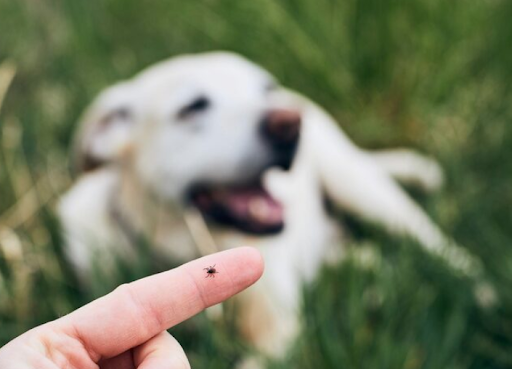
Have you ever noticed that, on a walk in the park with several dogs, some return home unscathed, while others seem to attract all the parasites in the area? This situation is common and raises many questions for pet owners. After all, tick infestation in dogs is not just an aesthetic nuisance or a matter of hygiene; it is the gateway to serious pathologies that can put your best friend's life at risk.
Understanding why this "preference" of parasites occurs requires a perspective that goes beyond the environment. Although cleanliness and the use of repellents are fundamental, modern science reveals that individual biological factors, such as the immune system and genetic predisposition , play a crucial role in how each pet deals with these threats.
In this article, we will explore how your dog's DNA and internal health influence its attractiveness to parasites and the severity of diseases transmitted by them. If you are looking for effective preventative healthcare , understanding these mechanisms is the first step in ensuring your companion's longevity.
Are dogs genetically predisposed to parasites?
The short answer is yes, but in a complex way. Genetic predisposition doesn't necessarily mean the dog was born to have ticks, but rather that certain inherited characteristics can make it an easier "target." Studies in other mammals have already proven that the chemical composition of sweat, body odor, and even skin temperature—all genetically regulated—influence the parasite's choice of host.
In the case of ticks on dogs , some individuals may have a lower production of natural substances that act as chemical repellents on the skin. Furthermore, genetics influences the integrity of the skin barrier. Pets predisposed to skin problems, such as canine dermatitis , may have a more vulnerable surface, making it easier for ticks to attach and increasing the local inflammatory response.

How your pet's immune system influences infestations.
The immune system is the main line of defense against any invader. When a tick bites a dog, it injects saliva containing anticoagulant and immunosuppressive substances. This is where genetics becomes crucial: the body's ability to recognize and react quickly to these substances varies drastically between individuals.
Dogs with a robust immune response may develop a local hypersensitivity reaction that makes prolonged feeding by the parasite difficult. On the other hand, pets with a less efficient or unbalanced defense system allow the tick to remain attached for longer, exponentially increasing the risk of transmission of pathogens, such as tick-borne diseases .
Furthermore, internal health reflects external health. A pet with inadequate nutrition or chronic stress will have compromised immunity, making it a more frequent victim of severe infestations. It's important to remember that controlling other parasites, such as dog worms , also helps keep the immune system focused on what really matters.
Breeds more susceptible to tick-borne diseases
Although tick bites on dogs can affect any animal, regardless of breed, some dog breeds are more susceptible to complications from the bite. This is due to genetic variability in the Major Histocompatibility Complex (MHC), which determines how the body fights specific infections.
German Shepherd: Frequently cited in studies as having an immune response that may be less effective against certain protozoa;
Greyhound: Known for hematological variations that can mask the initial signs of infections;
Bernese Mountain Dog: Presents predispositions that can complicate the clinical picture of vector-borne diseases.
Knowing your pet's composition in depth helps you anticipate risks. If you have a mixed-breed dog and want to better understand its origins, knowing how to determine your dog's breed can offer valuable clues about its natural resilience and care needs.
Can DNA influence resistance to parasites?
The science of animal genetics is advancing toward identifying specific markers of parasite resistance . In cattle, this selection is already a reality, and in canine medicine, pet DNA analysis is beginning to follow similar paths. Through genetic mapping, it is possible to identify whether the animal possesses genes that favor a protective inflammatory response or whether it carries variants that make it more susceptible to severe cases of canine ehrlichiosis or babesiosis.
Resistance doesn't mean the dog will never get ticks, but rather that its body is able to limit the parasitic load and fight off infectious agents more effectively. This knowledge transforms how we do prevention, allowing owners of "more sensitive" dogs to redouble their care during periods of higher incidence.
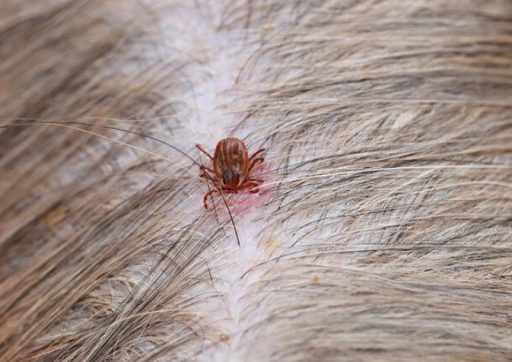
Prevention strategies and warning signs
To protect your dog from ticks , the strategy must be multifaceted. Simply applying a product isn't enough; you need to understand the animal's environment and biology. Here are some essential points:
Daily inspection: After each walk, check the warm areas of the body (between the toes, ears and armpits);
Environmental control: The tick spends a large part of its life cycle in the environment, not on the animal;
Pay attention to the symptoms: Fever, lethargy, loss of appetite, and pale mucous membranes are urgent warning signs;
Genetic knowledge: Understanding your pet's biological basis allows for personalized care.
Often, pet owners focus only on external parasites and forget about other silent threats. Maintaining protocols against heartworm and other endoparasites is essential so that the body is not overwhelmed when facing a possible tick-borne disease.
To deepen your knowledge about health and prevention, we recommend reading these articles:
Is tick-borne disease curable? Understand the risks, symptoms, treatment, and prevention.
Canine ehrlichiosis: warning signs and how to act quickly to protect your pet.
Giardia in dogs: A complete guide to symptoms, prevention, and care.
The individual response of each host is one of the most determining factors in the epidemiology of tick-borne diseases, reinforcing the importance of looking at each pet uniquely.

Science and preventive health with petgenoma
Understanding your pet's individuality is the shortest path to a long and healthy life. petgenoma offers cutting-edge technology so you can discover what your pet's DNA says about them, from breed composition to important health predispositions. With this information in hand, you and your veterinarian can develop much more precise and efficient care strategies. Visit the petgenoma website and learn about our complete genetic panels. We are located at Av. Prof. Lineu Prestes, 2242 - Room 25 - Cidade Universitária, São Paulo SP . Also follow our scientific tips and news on Instagram @petgenomabr.
Essay
Petgenoma



