Canine ehrlichiosis: warning signs and how to act quickly to protect your pet.
04/03/2026
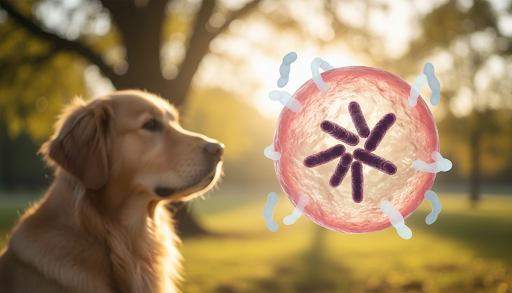
Have you noticed your dog being a little quieter than usual or refusing that food he loves so much? Often, small signs of behavioral change can hide unseen dangers. Among the most common threats to Brazilian dogs is canine ehrlichiosis , a serious infection that requires immediate attention from owners.
Transmitted primarily through the bite of the brown dog tick, this disease attacks blood cells and can compromise the animal's immune system. Understanding how canine ehrlichiosis manifests is the first step in ensuring your best friend receives the necessary support before the condition worsens.
In this article, we will explore the main warning signs, the stages of the disease, and how accurate veterinary diagnosis makes all the difference in recovery. Get ready to learn how to identify the risks and the best ways to keep your dog healthy.
What is canine ehrlichiosis and how is it transmitted?
Canine ehrlichiosis is an infectious disease caused by bacteria of the genus Ehrlichia, with Ehrlichia canis being the most common species in the country. Contrary to popular belief, the disease is not transmitted through direct contact between dogs, but rather by a vector: the tick Rhipicephalus sanguineus.
When an infected tick bites a dog, it releases the bacteria into the bloodstream. From that moment on, the microorganism begins to multiply inside the white blood cells, spreading to organs such as the spleen, liver, and lymph nodes. It is common for owners to confuse the condition with other pathologies, such as canine leishmaniasis , due to the similarity of some initial symptoms.
The incidence of this hemoparasitic disease increases considerably during hot and humid periods, which favor the proliferation of vectors. Therefore, tick prevention should be a constant priority, regardless of whether the animal lives in a house or apartment, since these parasites can be found in cracks in walls and lawns.
Warning signs: identifying the symptoms of ehrlichiosis
Identifying canine ehrlichiosis early is a challenge, as it is divided into three distinct phases, each with its own particularities. Paying attention to subtle changes can save your pet's life.
Acute phase: the beginning of the infection.
This phase appears between one and three weeks after the bite. The dog may present with fever, loss of appetite, and mild lethargy. It is common to observe the appearance of purple spots on the skin (petechiae) and nosebleeds. Often, the symptoms of ehrlichiosis at this stage are overlooked because they seem like a passing ailment.
Subclinical phase: the silent danger
If the body is unable to eliminate the bacteria in the acute phase, the disease progresses to the subclinical phase. Here, the animal appears healthy and shows no visible clinical signs. However, the bacteria remain present, and blood tests may reveal persistent anemia in dogs and a drop in platelets. This phase can last for months or even years.
Chronic phase: the critical stage
When a pet's immune system fails, canine ehrlichiosis reaches the chronic stage. The animal becomes visibly weak, experiences severe weight loss, eye problems, and increased susceptibility to other secondary infections, such as parvovirus . At this point, treatment is more complex and the risk of death increases.
Veterinary diagnosis and essential tests
If you suspect any changes, seeking a veterinary diagnosis is essential. The professional will perform a detailed clinical evaluation and request laboratory tests to confirm the presence of the bacteria. A complete blood count is the basic initial test, but it only suggests infection by showing changes in blood cells.
For definitive confirmation, serological tests (which detect antibodies) or molecular tests, such as PCR, which identifies the bacteria's DNA, are used. According to information from the Merck Veterinary Manual , early detection is the determining factor for successful ehrlichiosis treatment.
In addition to laboratory analysis, the veterinarian assesses whether the pet has comorbidities. Dogs that already face other health challenges, such as canine obesity , may have a slower recovery due to the strain on their bodies.
How does ehrlichiosis treatment work?
Standard treatment for canine ehrlichiosis involves the use of specific antibiotics for an extended period, usually 21 to 28 days. It is vital that the owner does not discontinue medication upon noticing improvement in the first few days, as this can lead to bacterial resistance and recurrence of the disease.
In cases where the animal presents with severe anemia or hemorrhaging, blood transfusions and hospital support may be necessary. Furthermore, rigorous environmental control to eliminate ticks is an integral part of the cure, preventing the pet from being reinfected during or after treatment.
It's important to remember that heart health should also be monitored in systemic diseases. Just as heartworm requires specific care, hemoparasitic infections can cause inflammation that overloads the animal's circulatory system.
Prevention: the best strategy against tick-borne diseases
Preventing canine ehrlichiosis is much simpler and cheaper than treating it. Prevention is based on three fundamental pillars:
Use of ectoparasiticides : Use collars, pipettes, or chewable tablets that repel and kill ticks. Consult your veterinarian to choose the best option.
Environmental hygiene : Keep yards clean and use specific products for pest control in outdoor areas and crevices where ticks hide.
Daily inspection : After walks in parks or grassy areas, scan your pet's body, focusing on the ears, between the toes, and neck.
Raising awareness about tick-borne diseases is the most powerful tool a pet owner has to ensure the longevity and well-being of their companion.
Take the opportunity to check out other important topics for your pet's health:
Canine distemper : symptoms, prevention, and how to protect your dog.
Parvovirus : symptoms, prevention, and how to protect your pet.
Mange in dogs : symptoms, causes, and how to protect your pet.
What does genetics have to do with it?
Genetics plays a key role in both treatment response and predisposition to developing the disease.
Multidrug intolerance : Some dogs are unable to properly metabolize certain medications used in treatment. This genetic condition, known as multidrug intolerance, can cause the animal to experience severe adverse reactions even with doses considered safe. Therefore, genetic testing is essential to identify this sensitivity and ensure safer and more personalized treatment.
Inbreeding and low immunity : dogs with a high degree of inbreeding tend to have a weaker immune system. This condition can facilitate the development of the disease and also worsen the clinical picture, making veterinary monitoring even more important.
Invest in preventative healthcare with petgenoma.
Understanding your best friend's genetics and health is the key to a long and worry-free life. At petgenoma , we offer cutting-edge genetic testing technology that aids in preventative medicine, helping you to deeply understand your pet's needs. Located at Avenida Professor Lineu Prestes, 2242, São Paulo SP , our team is ready to transform science into real care. Follow our work at @petgenomabr and discover how we can help you protect the one you love most.
Essay
Petgenoma



