Parvovirus: symptoms, prevention, and how to protect your pet.
10/12/2025
Index
Introduction
Parvovirus is one of the most feared diseases by dog owners—especially those with puppies. Highly contagious and capable of leading to severe illness in a few hours, parvovirus requires attention, rigorous prevention, and knowledge of the initial signs. Knowing how to recognize the symptoms and understanding why some dogs fare worse than others is fundamental to protecting your pet and ensuring they have the best chance of recovery.
What is parvovirus?
Parvovirus infection is caused by canine parvovirus (CPV-2), a highly resistant virus in the environment. It primarily affects the small intestine, the immune system, and the bone marrow.
By attacking these vital systems, the disease causes severe dehydration, hemorrhagic diarrhea, and a sudden drop in the animal's immunity.
Transmission of parvovirus
Parvovirus is one of the easiest diseases to contract among unvaccinated dogs. The virus spreads mainly through:
Contaminated feces.
Contact with infected surfaces.
Clothing and shoes belonging to people who have been in contaminated areas.
Parks, sidewalks, and public areas.
An important characteristic of parvovirus is its high environmental resistance: the virus can survive for months even with frequent cleaning.
Main symptoms
Parvovirus usually appears abruptly and quite aggressively. The most common signs include intense vomiting, bloody diarrhea, fever, lethargy, abdominal pain, loss of appetite, and rapid dehydration—a combination that weakens the dog in a short time. In puppies, this progression can be even faster, making immediate treatment essential to increase the chances of recovery.
Clinical evolution and possible complications
Parvovirus is so dangerous because it rapidly destroys the intestinal barrier, causing the dog to lose large amounts of fluids and electrolytes in just a few hours. This damage to the intestine also facilitates the entry of bacteria into the bloodstream, greatly increasing the risk of sepsis. At the same time, the virus compromises the bone marrow and reduces the production of white blood cells, weakening the immune response and leaving the body virtually defenseless.
The progression of the illness tends to be more severe in dogs with vaccination protocol failures, compromised immunity, or nutritional deficiencies, as well as those with a low genetic diversity history—such as animals with high inbreeding, which typically have weaker immune resistance. This combination of factors explains why some pets fare much worse than others when faced with the same infection.
How genetic testing helps with preventative healthcare.
Although parvovirus is not a genetic disease, a dog's genetics directly influence how it reacts to the virus. Genetic testing helps identify if the pet has a naturally weaker immune response or a less efficient inflammatory balance, factors that can worsen the condition. It also reveals hereditary diseases that weaken the body or impair intestinal absorption, as well as variants that affect the metabolism of medications and essential nutrients, such as vitamin B12. With this information, it becomes easier to understand why some dogs have a worse outcome than others and how to direct personalized preventative care.
With this data, pet owners and veterinarians can personalize the diet, adjust supplementation, and plan individualized preventative protocols. The test does not detect the virus, but it strengthens the ability to intelligently prevent by revealing the dog's vulnerability profile.
These concepts are directly related to articles such as:
"The role of genetic testing in improving the health of purebred dogs"
and other memorized content that reinforces the importance of genetics in the preventive health of pets.
Prevention and essential care
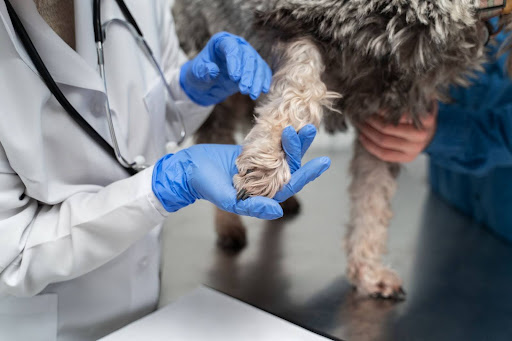
The most effective way to protect your dog from parvovirus is to maintain a complete vaccination protocol, with doses for puppies and annual boosters, preventing your pet from frequenting sidewalks, squares, pet shops, and parks until this stage is finished. Along with vaccination, daily hygiene—such as cleaning bowls and floors and preventing contact with other animals' feces—greatly reduces the risk of contamination. A balanced diet also strengthens immunity by ensuring good intestinal absorption and an adequate supply of vitamins. With these combined precautions, the owner drastically reduces the chance of infection and keeps the pet's body more protected.
Get to know Petgenoma
petgenoma offers comprehensive genetic testing for dogs and cats, allowing the identification of hereditary predispositions, consanguinity, disease risks, and pet characteristics. Using high-precision technology and buccal swab collection, pet owners receive essential information to care for their pets in a personalized, preventative, and intelligent way.

Conclusion
Parvovirus is a serious, highly contagious, and dangerous disease for dogs—especially puppies. However, it is largely preventable with proper vaccination, environmental care, and attention to the pet's overall health.
By combining prevention, proper nutrition, and genetic testing, the pet owner provides their pet with a solid foundation to fight infections and live a healthier and safer life, as genetics profoundly influences how the body reacts to viruses.
Essay
Petgenoma



