FIP in cats: what it is, symptoms, risks, and how to protect your pet.
01/07/2026
Imagine discovering that the virus responsible for simple diarrhea in your cat can, under certain circumstances, develop into one of the most serious diseases in feline medicine. This is the reality of FIP (Feline Infectious Peritonitis), a condition that frightens pet owners and veterinarians worldwide.
Although the topic may seem complex, understanding what FIP is, how it develops, and what signs to look for can make all the difference in your pet's life. That's why we've prepared this complete guide to help you recognize the risks and act more safely.
What is FIP and how does it develop?
Feline Infectious Peritonitis is caused by a mutation of the feline coronavirus (FCoV), a virus that is quite common in cats and, in most cases, causes only mild digestive symptoms or no symptoms at all. The problem occurs when this virus mutates within the animal's body and begins to behave aggressively.
This mutation is not contagious between cats — it occurs individually, within each organism. Cats with weakened immune systems , kittens, and felines living in environments with many other animals are at higher risk of developing the disease after the viral mutation.
The two forms of the disease: wet and dry.
FIP manifests in two main forms, and recognizing them is essential to seeking help in time.
The wet (or effusive) form is the most common and progresses rapidly. It causes fluid accumulation in the abdomen or chest, resulting in a distended belly, difficulty breathing, and accelerated weight loss. The dry (or non-effusive) form, on the other hand, is slower and more silent, affecting internal organs, the nervous system, and the eyes, with symptoms that can confuse even experienced professionals.
In some cases, the cat may exhibit both forms simultaneously, which makes diagnosis even more challenging.
Symptoms that require immediate attention.
The signs of Feline Infectious Peritonitis vary depending on the form of the disease, but some patterns deserve special attention:
- Swollen or distended belly without apparent cause.
- Persistent fever that does not respond to antibiotics.
- Progressive weight loss and lack of appetite.
- Intense lethargy and isolation
- Difficulty breathing or rapid breathing
- Neurological changes: tremors, imbalance, seizures
- Eye problems: yellowing, cloudy eyes, or eyes with visible lesions.
If your pet exhibits two or more of these signs at the same time, a veterinary consultation should be sought immediately.
How is the diagnosis made?
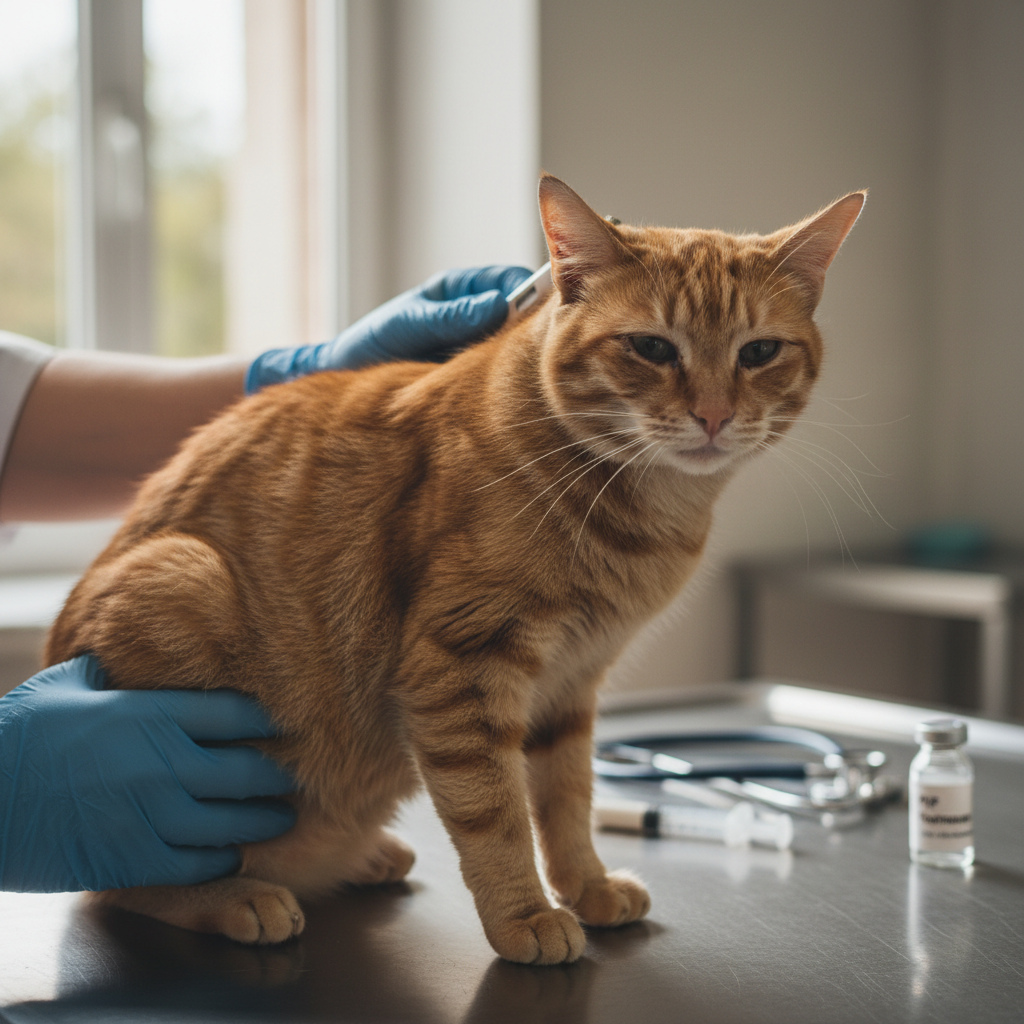
Diagnosing FIP is one of the greatest challenges in feline medicine. There is no single definitive test—veterinarians typically combine clinical history, blood tests, abdominal fluid analysis (when present), and, in some cases, tissue biopsy.
Tests such as PCR for feline coronavirus and measuring specific proteins in the fluid help confirm the suspicion. Early diagnosis increases the chances of a successful response to currently available treatment.
If you want to better understand how serious viral diseases affect pets and how genetics can influence the immune response, it's worth checking out the article on FIV in cats — another relevant immune condition for attentive pet owners.
Is there a treatment for FIP?
For a long time, FIP was considered fatal in almost 100% of cases. However, in recent years, antivirals such as GS-441524 have shown promising results, especially when diagnosed early. Treatment is lengthy, expensive, and not yet widely regulated in Brazil, but it represents a significant advance.
An animal's genetics can directly influence its immune response to the virus. Cats with genetic predispositions to immunosuppression tend to be more vulnerable. Knowing your cat's genetic profile can help your veterinarian personalize preventive care.
How to reduce risks in everyday life.
While it's not possible to completely eliminate the risk of FIP , some measures can help protect your pet:
- Keep the environment clean and sanitized, especially the litter box.
- Avoid overcrowding in homes with multiple cats.
- Ensure a balanced diet and environmental enrichment.
- Schedule regular veterinary check-ups.
- Strengthen the immune system with preventative care from puppyhood.
Healthy, well-nourished cats with low stress levels have a lower chance of developing the viral mutation that causes the disease.
Genetics and FIP: an important connection
Studies indicate that genetic factors influence susceptibility to Feline Infectious Peritonitis . Some cat breeds appear to have a greater predisposition to the feline coronavirus mutation, which reinforces the importance of knowing your pet's genetic background.
Genetic testing for cats allows for the identification of immunological characteristics, predispositions to diseases, and much more — valuable information for truly preventative and personalized care.
petgenoma takes care of what matters most to you.

petgenoma believes that knowing your cat's genetics is one of the greatest acts of love a pet owner can have. With comprehensive tests that analyze diseases, traits, and much more, the company delivers accessible science for those who truly want to care. Visit their headquarters at Av. Prof. Lineu Prestes, 2242 - Room 25 - Cidade Universitária, São Paulo SP or follow @petgenomabr to see content that transforms genetic information into real care.
Essay
Petgenoma



