Mange in dogs: symptoms, causes, and how to protect your pet.
04/02/2026
Index
Introduction
Mange in dogs is a common, highly uncomfortable skin disease that can progress rapidly if left untreated. It causes intense itching, sores, and hair loss, directly affecting the pet's well-being. Understanding its causes, symptoms, and methods of prevention is essential for acting quickly and safely.
What is mange in dogs?
Mange in dogs is caused by microscopic mites that infest the animal's skin, triggering inflammation, irritation, secondary infections, and hair loss. There are different types of the disease, and all require veterinary monitoring for correct diagnosis and appropriate treatment.
Main symptoms of scabies
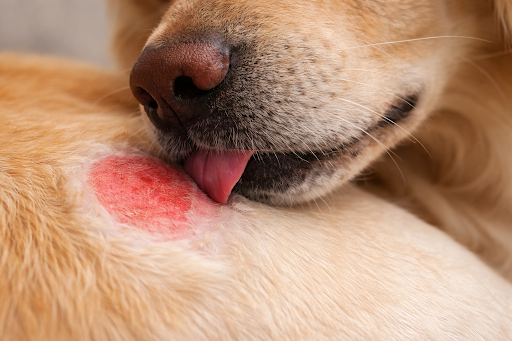
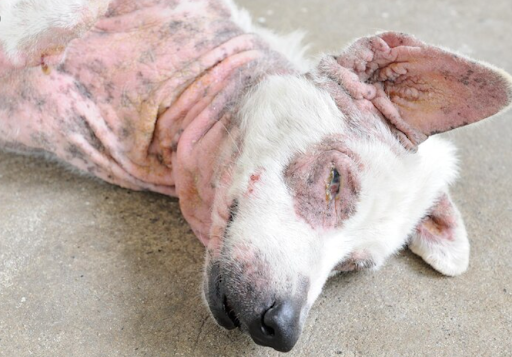
The most common signs include persistent itching, redness, peeling skin, sores, foul odor, and hair loss, mainly in areas such as the ears, muzzle, paws, and abdomen. In more advanced cases, the dog may exhibit pain, lethargy, and behavioral changes.
How the disease develops
The progression of mange is directly linked to the condition of the immune system. Pets with low immunity, poor diet, or associated diseases tend to develop more severe cases, making them more susceptible to secondary bacterial infections and worsening skin lesions.
Scabies, immunity, and genetic factors
Although not hereditary, mange in dogs can manifest more intensely in animals with high levels of inbreeding , a canine genetic trait. Unfavorable factors include a history of genetic diseases in dogs or a predisposition to dermatological problems. Skin health is directly connected to the pet's immune and metabolic balance.
Prevention and essential care
Prevention involves proper hygiene, a balanced diet, parasite control, and attention to the first signs of disease. Keeping the environment clean and avoiding contact with infected animals significantly reduces the risk of infection. Daily observation is an essential ally in veterinary prevention.
Be aware! Some types of medication used to treat mange can cause serious adverse reactions in some dogs! These dogs have multiple drug intolerances, which can be detected by genetic testing. Talk to your veterinarian about the importance of testing before treatment.
petgenoma and personalized pet health care
petgenoma offers genetic testing that is fundamental to understanding predispositions related to genetics and animal health , immunity, and inflammatory response. This information allows for more informed decisions about dermatological care, disease prevention, and quality of life over the years.

Recommended reading for those who care for their pets responsibly.
This preventative care also connects to other important content that helps pet owners better understand their pet's health and well-being, such as:
By following this content and following petgenoma on Instagram petgenoma , pet owners expand their knowledge about prevention, genetics, and personalized care, strengthening safer decisions for their pet's health throughout its life.
Conclusion
Mange in dogs is a serious condition, but it's completely controllable when identified early. Caring for their skin, strengthening their immunity, and understanding your pet's genetic makeup are essential steps to ensure their well-being and prevention. If this content helped you, it's worth following more educational tips on petgenoma 's social media and learning more about caring for your family member.
Essay
Petgenoma



