Can dogs eat bananas? Benefits, precautions, and how to offer them.
24/12/2025

Index
Introduction
It's common for dogs to approach you curiously when you peel a banana, hoping to get a piece. This leads many owners to wonder if dogs can eat bananas or if the fruit could cause any health problems. The good news is that bananas can indeed be part of a pet's diet—as long as they are offered in moderation and with attention to each animal's individual characteristics.
Can dogs eat bananas?
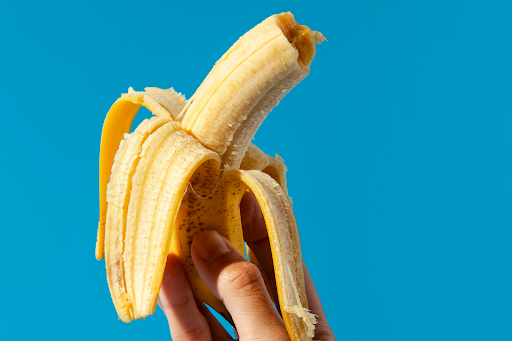
Yes, dogs can eat bananas , as long as the fruit is offered peeled, in small quantities, and as a supplement to their diet. Bananas are not toxic to dogs and can be used as an occasional treat. However, because they are rich in natural sugars, excessive consumption can cause digestive discomfort, especially in more sensitive pets.
Benefits of bananas for dog health
When offered correctly, bananas can provide interesting benefits. They are a source of potassium, fiber, and B vitamins, which contribute to the body's balance. Fiber aids intestinal function, while minerals help with muscle function and metabolism. Therefore, many pet owners use the fruit as a healthy treat at specific times.
Bananas and digestion: when extra care is needed.
Despite the benefits, not every dog reacts the same way. Some pets may experience gas, looser stools, or intestinal discomfort after consuming bananas. This happens because a dog's digestive system varies according to factors such as age, diet, and even genetics. Therefore, observing your pet's reaction after introducing the fruit is essential.
Ideal quantity and correct way to offer bananas
To ensure bananas are safe, it's best to offer them in small portions, always peeled and cut into pieces. For small dogs, a small piece is sufficient; for larger dogs, the amount can be slightly larger, but always in moderation. Bananas should be offered occasionally, not every day, to avoid excessive sugar in the diet.
Bananas and genetic predispositions: what to look out for
Some dogs have genetic predispositions that affect digestion, metabolism, or nutrient absorption. Pets with intestinal sensitivity, a tendency towards obesity, or metabolic disorders may react worse to frequent fruit consumption. Knowing these predispositions helps the owner decide whether a dog can eat bananas safely or if the fruit should be avoided.
When bananas are not suitable for dogs
Bananas are not recommended for dogs with diabetes, obesity, a history of frequent diarrhea, or chronic intestinal diseases. In these cases, the fruit's natural sugar can worsen the condition. Whenever in doubt, a veterinarian should be consulted before introducing any new food into your pet's routine.
Practical benefits for tutors
By understanding whether dogs can eat bananas and how to offer them correctly, owners can safely vary their pet's diet, avoid common mistakes, and respect the limits of their pet's digestive system. This care reduces digestive risks and contributes to a more balanced and conscious routine.
Petgenoma and personalized pet nutrition
petgenoma uses genetic testing to help pet owners better understand the individual needs of their dogs and cats. By identifying genetic predispositions related to digestion, metabolism, and overall health, it's possible to make more informed decisions about nutrition, routine, and preventative care, promoting a higher quality of life for your pet over the years.

Related content for further exploration of the topic.
If you want to better understand how genetics, nutrition, and health are connected, it's worth checking out these blog posts:
These articles help broaden the understanding of personalized care and prevention.
Conclusion
Yes, dogs can eat bananas, as long as the fruit is offered in moderation and attention is paid to the pet's individual characteristics. Although nutritious, bananas should not replace their main diet and may not be suitable for all dogs. Combining information, observation, and genetic knowledge is the best way to ensure safe choices. To follow more content about animal health, genetics, and well-being, follow petgenoma on Instagram @petgenomabr.
Essay
Petgenoma



