Canine distemper: symptoms, prevention, and how to protect your dog.
10/12/2025
Index
Introduction
Canine distemper is one of the most serious infectious diseases affecting dogs. Highly contagious and potentially fatal, it often causes concern among owners—especially those of puppies and unvaccinated animals. However, understanding the disease, its signs, and the importance of prevention allows for early action and protects your pet from severe complications.
What is canine distemper?

Canine distemper is caused by the canine distemper virus (CDV), belonging to the Paramyxoviridae family. This virus has the ability to affect different systems of the dog's body at the same time—including the respiratory, gastrointestinal, central nervous, and immune systems. Therefore, it is a systemic and progressive disease that spreads rapidly throughout the body and can cause very varied symptoms.
Transmission of canine distemper
Canine distemper is mainly transmitted through contact with respiratory secretions from infected dogs, such as mucus from the nose and eyes, which easily contaminate the environment. A pet can contract the virus by sniffing a puddle of secretion, sharing water bowls, playing with shared objects, or touching surfaces where a sick dog has recently coughed or sneezed. Even though it survives only briefly in the environment, the virus is extremely contagious, and even brief exposure can infect an unvaccinated dog. Puppies aged 2 to 6 months are the most vulnerable because they are still developing their immunity.
Main symptoms
Symptoms vary depending on the stage of the disease:
First phase (respiratory):
Fever, nasal and eye discharge, cough, sneezing, and conjunctivitis.
Second phase (gastrointestinal):
Diarrhea, vomiting, dehydration, and loss of appetite.
Neurological phase (the most serious):
Tremors, convulsions, nervous tics, disorientation, loss of coordination, and paralysis.
Most symptomatic dogs exhibit respiratory signs before developing neurological complications. The sooner the owner notices these symptoms, the greater the chances of stabilization.
Clinical evolution and possible complications

Canine distemper can progress rapidly and affect multiple organs, causing complications such as pneumonia, encephalitis, tremors, seizures, and even permanent neurological damage.
The severity of the condition doesn't depend solely on the virus: pets with low immunity, inadequate nutrition, hereditary diseases, or high consanguinity tend to have a worse outcome.
Vaccination failures, stress, and inadequate environments also reduce the body's ability to respond. Therefore, two dogs exposed to the same virus may have completely different outcomes—reinforcing the importance of early veterinary monitoring.
This line of reasoning connects with essential concepts already studied, such as:
"Do you know what consanguinity is and why it's important for your pet?"
"Not having your dog's genetics tested could shorten its life!"
When an organism already has genetic predispositions, its ability to fight off severe infections may be reduced.
How genetic testing helps with preventative healthcare.
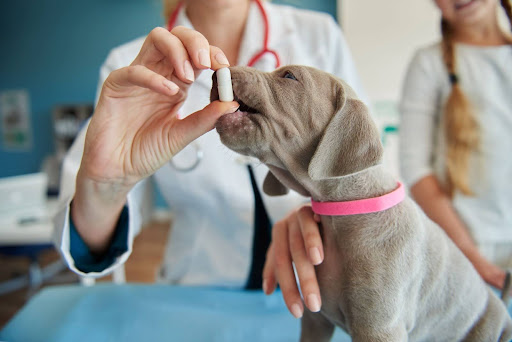
Although DNA testing does not diagnose distemper, it is crucial for identifying why some dogs are more vulnerable.
The examination reveals predispositions that weaken the body, variants linked to heart, muscle or neurological diseases, hereditary conditions that affect immunity, level of consanguinity and even intolerances or differences in drug metabolism.
With this data, pet owners and veterinarians can adjust diet, supplementation, and preventive care in a personalized way, anticipating risks.
Practical benefits for tutors
The best protection against distemper is prevention: complete vaccination from puppyhood, annual boosters, and extra care for dogs with low immunity. Until the vaccination protocol is complete, it is ideal to avoid places with many animals. Good nutrition strengthens the immune system, as do basic hygiene practices and a clean, well-ventilated environment, which reduce the risk of infection.
Get to know Petgenoma
petgenoma is a leading provider of pet genetics throughout Latin America. Its tests utilize Illumina technology, boast 98% accuracy, and allow for the assessment of predispositions to over 300 genetic diseases, as well as identifying consanguinity, pharmacogenetics, ancestry, and physical characteristics.
The sample is collected at home using a buccal swab, and the pet owner is present throughout the entire process with expert support.

Conclusion
Canine distemper is a serious, severe, and largely preventable disease. Vaccination is the most effective method, but the pet's overall health, genetics, and lifestyle strongly influence how it reacts to the virus.
By combining prevention, proper nutrition, environmental care, and genetic knowledge, the pet owner offers their pet not only protection against distemper, but also a longer, more balanced, and healthier life.
Essay
Petgenoma



