Canine leishmaniasis: symptoms, risks, and how to protect your pet.
05/02/2026

INDEX
What is canine leishmaniasis?
Canine leishmaniasis is a serious infectious disease caused by parasites of the genus Leishmania, transmitted by the bite of the sandfly. It directly affects canine health and can compromise organs such as the skin, kidneys, liver, and immune system, requiring constant attention from owners. Furthermore, because it is a zoonosis (a disease that can be transmitted to humans), it is of great importance to public health.

How does transmission occur?
Transmission occurs when a sand fly bites an infected dog and subsequently a healthy animal. The disease is not spread through direct contact between dogs, but is related to the environment, the presence of the vector, and conditions that affect the animal's genetics and health , such as low immunity.
Main symptoms of leishmaniasis
The signs usually appear gradually and include hair loss, skin lesions, excessive nail growth, weight loss, lethargy, anemia, and kidney problems. Because it is an infectious disease in dogs , the symptoms can vary depending on the individual's response.
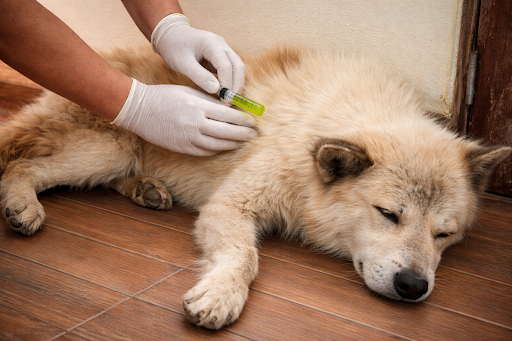
Diagnosis and treatment
Diagnosis is made through specific laboratory tests. Until recently, because it was an untreatable disease, the clinical recommendation was euthanasia. However, recently some medications have proven effective, although they are still quite expensive. Treatment does not completely eliminate the parasite, but it controls the disease and improves the pet's quality of life. Continuous veterinary monitoring is essential to prevent complications and to track the success of the treatment.
Prevention and essential care
Prevention involves mosquito control, the use of repellent collars, environmental care, and vaccination, which is fundamental to reducing risks. Strengthening immunity and keeping up with veterinary check-ups are also essential measures.
petgenoma and preventive care for pets.
petgenoma offers tests based on Genetics and Pet DNA , which help identify genetic risks and factors linked to the immune response. This care is fundamental for safer decisions regarding prevention, routine, and longevity, complementing strategies against diseases such as leishmaniasis.

Related articles
Is tick-borne disease curable? Understand the risks, symptoms, treatment, and prevention.
Canine distemper: symptoms, prevention, and how to protect your dog.
Parvovirus: symptoms, prevention, and how to protect your pet.
Follow more content on Instagram petgenoma.
Conclusion
Canine leishmaniasis is a serious disease, but it can be controlled with early diagnosis, adequate prevention, and constant monitoring. Information, veterinary care, and attention to the pet's individual genetic makeup are essential allies in promoting health and quality of life.
Essay
Petgenoma



